
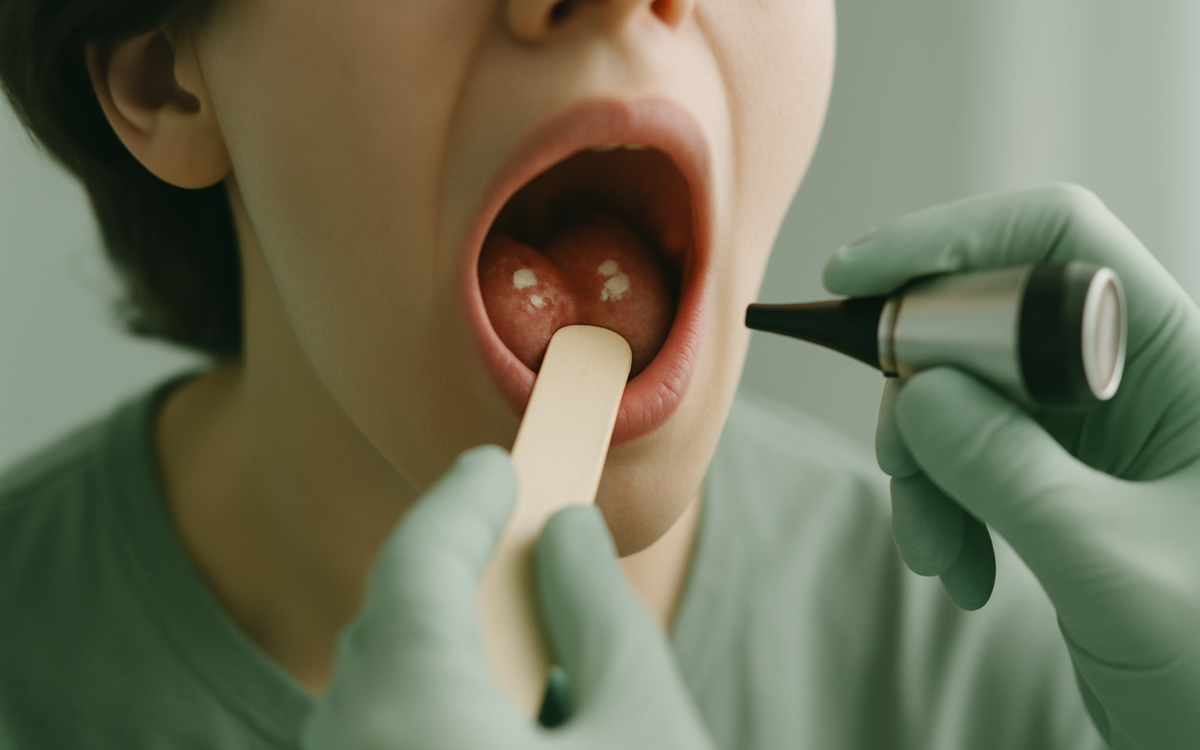
Have you noticed whitish spots on your tonsils? While they can be alarming, understanding their possible causes can help you stay informed about your health. These spots can indicate a range of conditions, from harmless to more serious ones. Here, we will explore the common reasons for these symptoms, how they relate to other signs, and when it might be time to seek medical help.
What Are Your Tonsils?
The tonsils are two lymph nodes located on each side of the back of your throat. They play a role in your immune system by helping to fight infections. In children, tonsils are more prominent, and they often help in fighting off germs that enter the body through the mouth and nose.
Common Causes of Whitish Spots
Several conditions can lead to the appearance of whitish spots on the tonsils. Here are the most common:
Tonsillitis
Tonsillitis is an inflammation of the tonsils, usually caused by a viral or bacterial infection. Whitish spots are a common symptom of tonsillitis. Other signs may include a sore throat, difficulty swallowing, and fever. Acute tonsillitis often resolves on its own, but bacterial tonsillitis may require antibiotics.
Strep Throat
Strep throat is a bacterial infection caused by Group A Streptococcus. It frequently causes whitish patches or spots on the tonsils, often accompanied by a severe sore throat, fever, and swollen lymph nodes. It’s essential to diagnose strep throat early, as it can lead to complications if untreated. The CDC provides resources on strep throat, including signs and treatments.
Tonsil Stones
Tonsil stones, or tonsilloliths, form when debris, such as food, dead cells, and bacteria, get trapped in the crevices of the tonsils. These stones can harden and lead to whitish spots on the tonsils. While they might not cause serious health issues, they can lead to bad breath and discomfort.
Oral Thrush
Oral thrush is a fungal infection caused by an overgrowth of Candida yeast. It can create white or whitish patches in the mouth, including on the tonsils. Symptoms can include soreness and difficulty swallowing. It’s more common in individuals with weakened immune systems or those taking antibiotics.
Other Symptoms to Watch For
While whitish spots on the tonsils can be isolated symptoms, they are often accompanied by various other signs. Here are some symptoms to keep an eye on:
- Sore throat
- Difficult or painful swallowing
- Swollen neck or jaw glands
- Fever
- Bad breath
- Cough
- General malaise or fatigue
Recognizing these symptoms can help you and your healthcare provider determine the underlying issue more effectively.
Diagnosis of Whitish Spots
To identify the cause of whitish spots on your tonsils, a healthcare professional may perform a physical examination and take a detailed history of your symptoms. If necessary, they might recommend further tests, such as:
- Throat swab to test for strep bacteria
- Blood tests to check for infections or other conditions
- Imaging tests in complex cases
Early diagnosis is key, especially when conditions like strep throat could lead to complications.
Treatment Options
The treatment for whitish spots on the tonsils depends on the underlying cause. Here are some common approaches:
Viral Infections
If your whitish spots are due to a viral infection, like a common cold or tonsillitis, treatment typically focuses on symptom relief. You might be advised to rest, stay hydrated, and use over-the-counter pain relievers.
Bacterial Infections
For bacterial infections, such as strep throat, antibiotics are often necessary to eradicate the bacteria and prevent complications. Be sure to follow your healthcare provider’s instructions regarding the full course of antibiotics.
Tonsil Stones
If tonsil stones are the culprit, your doctor may recommend saltwater gargles or even manual removal in some cases. Maintaining good oral hygiene can help prevent the formation of future stones.
Oral Thrush
For oral thrush, antifungal medications may be prescribed. Maintaining good oral hygiene and addressing any contributing factors, such as a weakened immune system, is crucial.
When to See a Doctor
While whitish spots on the tonsils can often be benign, certain situations warrant medical attention. You should consult a healthcare professional if you experience:
- Severe sore throat lasting more than a few days
- Difficulty breathing or swallowing
- High fever (over 101°F or 38.3°C)
- Persistent bad breath
- Ear pain or swelling in the neck
Early intervention can help avoid complications and lead to more effective treatment.
Conclusion
Whitish spots on your tonsils can arise from various conditions, each requiring a different approach for resolution. By understanding these causes and symptoms, you can better inform discussions with your healthcare provider. While many cases may resolve on their own, it’s always wise to pay close attention to your body and consult a doctor when needed. Your health is important, and being proactive can pave the way for a speedy recovery.
