
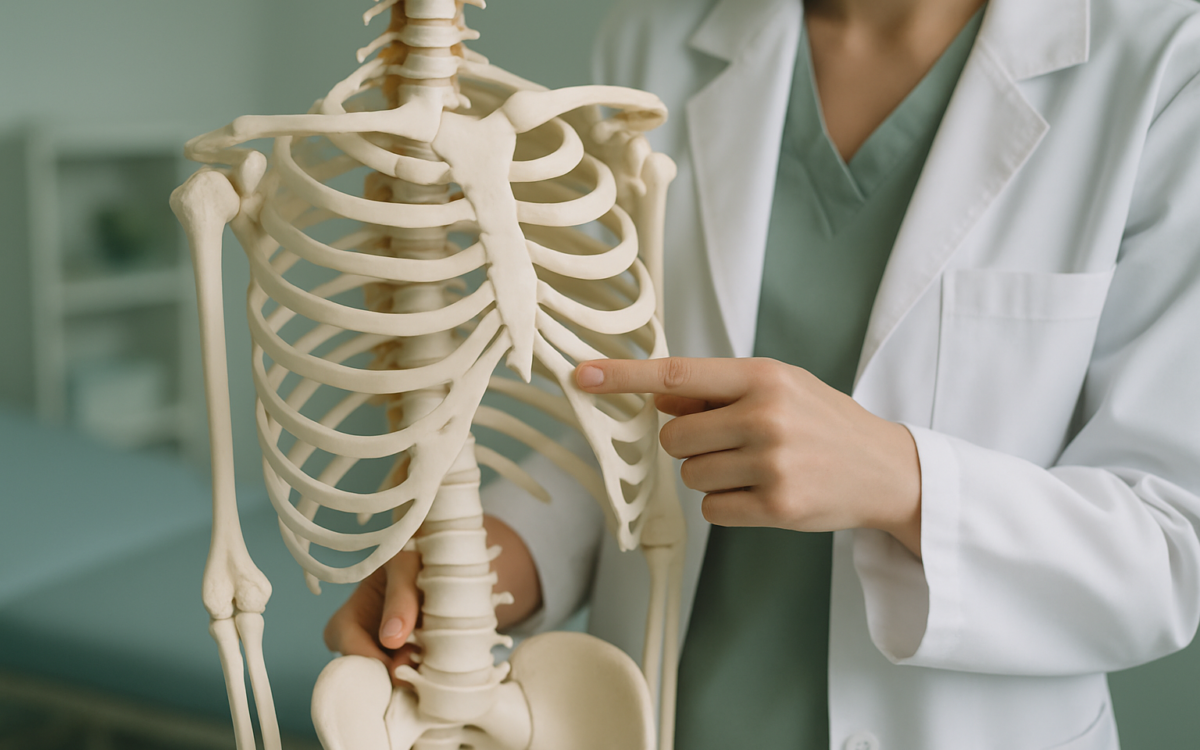
Ever wondered how many ribs we actually have? The human body is a remarkable structure, and each part plays a vital role in our overall health. Today, let’s dive into the fascinating world of rib anatomy, what those ribs do, and why they are so important.
Understanding Rib Anatomy
The human rib cage typically consists of 24 ribs, arranged in 12 pairs. These ribs are unique in shape and function, contributing significantly to our skeletal framework. Each rib connects to the spine at the back and curves around to the front, where some attach directly to the sternum, also known as the breastbone.
Types of Ribs
Ribs are categorized into three primary types based on how they attach to the sternum:
- True Ribs: The first seven pairs of ribs, known as true ribs, connect directly to the sternum through costal cartilage. This direct attachment provides a sturdy structure that supports and protects vital organs.
- False Ribs: The next three pairs (eighth through tenth ribs) are considered false ribs. They do not connect directly to the sternum but instead connect to the costal cartilage of the ribs above them.
- Floating Ribs: The last two pairs of ribs (eleventh and twelfth) are known as floating ribs. They do not attach to the sternum at all, allowing for greater flexibility and protecting the kidneys and other nearby organs.
The Functions of Ribs
Ribs play several essential roles in the human body:
- Protection: One of the main functions of the rib cage is to protect vital organs such as the heart and lungs. The ribs form a sturdy barrier that shields these organs from injury.
- Support: The rib cage provides structural support to the upper body. This support is crucial, especially when we move, bend, or twist.
- Breathing: Ribs are integral to the respiratory process. When we breathe in, the ribs expand, increasing the thoracic cavity volume, allowing air to flow into the lungs.
Variations in Rib Count
Most people have 24 ribs, but there can be variations. Some individuals might have an extra rib, known as a cervical rib, which can develop in about 1% of the population. Others might have one or more missing ribs. These variations can occur due to genetic differences and typically do not affect overall health. However, they might sometimes contribute to complications such as thoracic outlet syndrome.
Caring for Your Rib Health
While ribs are sturdy, they can still be injured. Rib fractures are common, especially in high-impact sports or accidents. Here are some tips to maintain rib health:
- Practice Good Posture: Proper posture reduces strain on your ribcage and keeps your spine aligned, minimizing the risk of injury.
- Stay Active: Regular exercise strengthens your muscles, including those around your ribs, improving overall stability.
- Be Cautious: If involved in physical activities, wear protective gear to reduce the risk of rib injuries.
Injuries and Conditions Affecting the Ribs
Rib injuries can be painful and sometimes complicated. They can occur from falls, accidents, or even severe coughing. Common conditions affecting ribs include:
- Rib Fractures: A break in the rib can cause sharp pain, especially during breathing movements, coughing, or laughing.
- Costochondritis: This inflammation of the cartilage connecting the ribs to the sternum can lead to chest pain, often mistaken for heart issues.
- Thoracic Outlet Syndrome: As mentioned earlier, this condition can occur due to extra ribs causing pressure on nerves and blood vessels, resulting in pain or numbness in the arms.
When to See a Doctor
If you experience severe pain in the chest, difficulty breathing, or any unusual symptoms related to your ribs, consult a healthcare provider. Conditions like rib fractures or costochondritis might require medical evaluation and intervention.
Conclusion
Understanding how many ribs we have, their functions, and the importance of rib health can help us appreciate this vital part of our anatomy. While 24 ribs typically protect and support our bodies, variations can occur without significantly impacting daily life. Remember to care for your rib health, stay active, and consult a doctor if you have concerns about your chest or rib area.
For more in-depth information about rib anatomy and health, you can visit reputable medical sources such as the NIH and the Mayo Clinic.
