
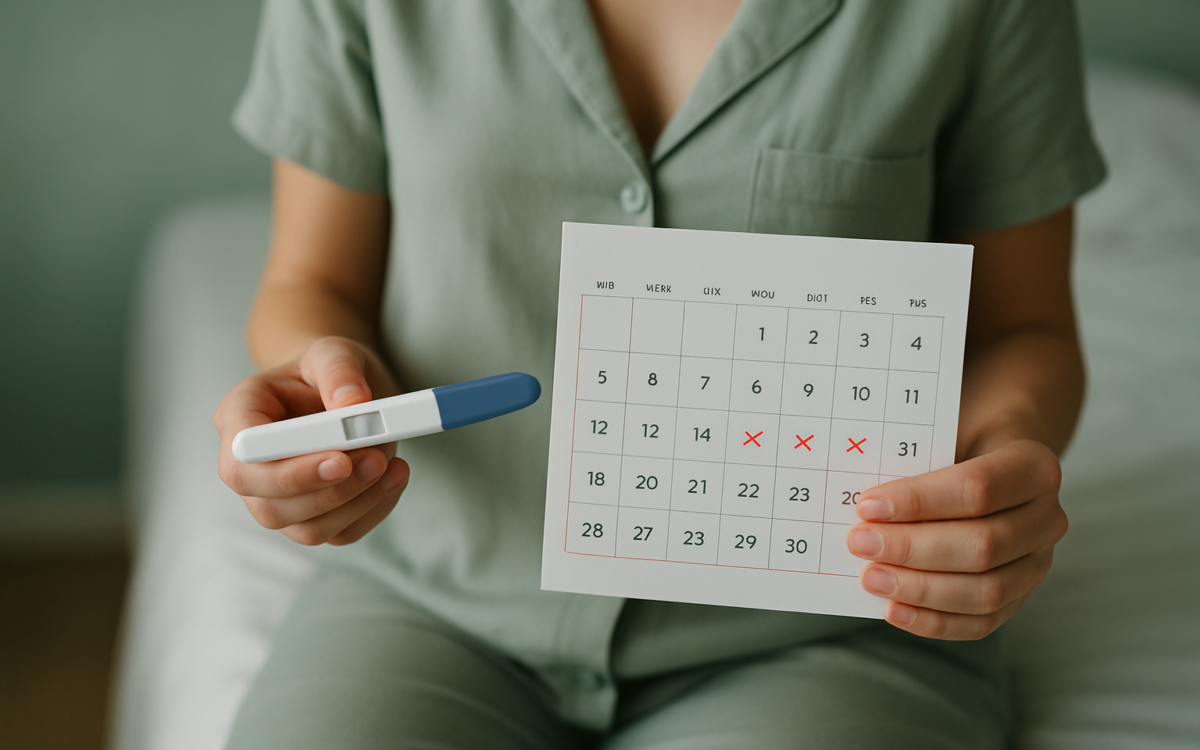
Many women have experienced a moment of panic when their period is late. If you’re in this situation and your period is 4 days overdue, you might have questions about what’s happening in your body. Delay in menstruation can be caused by a variety of factors, some of which are completely normal and others that may need attention. In this article, we will explore the possible reasons for a delayed period and what steps you might consider taking.
What Does It Mean to Be 4 Days Overdue?
When your period is four days overdue, it simply means that you have not had your menstrual flow for longer than your typical cycle. Every woman’s cycle can vary, but most menstrual cycles last between 21 to 35 days. Being a few days late might not always indicate a serious issue, but it can lead to uncertainty and concern.
Common Causes of a Late Period
Understanding the various factors that might lead to a late period is essential. Here are some common reasons for why your menstrual cycle may be delayed:
- Pregnancy: One of the most common reasons for a missed period is pregnancy. If there is a chance you could be pregnant, consider taking an at-home pregnancy test or consulting your healthcare provider.
- Stress: High levels of stress can disrupt hormonal balance, leading to missed or delayed periods. Whether it’s work-related stress or personal dilemmas, your emotional state can impact your menstrual cycle.
- Weight Changes: Significant weight loss or gain can affect your menstrual cycle. Both underweight and overweight conditions can interfere with hormone production and result in delayed menstruation.
- Hormonal Imbalances: Conditions such as polycystic ovary syndrome (PCOS) can lead to hormonal imbalances that prevent ovulation and result in delayed periods.
- Menopause or Perimenopause: Women nearing menopause often experience irregular cycles, which can include late periods.
- Thyroid Issues: Thyroid glands play a crucial role in regulating menstrual cycles. Hypothyroidism or hyperthyroidism can contribute to missed periods.
Pregnancy Tests and What They Reveal
If you suspect pregnancy is the reason for your delayed period, it’s advisable to take a pregnancy test. These tests detect the hormone hCG (human chorionic gonadotropin), which is produced during pregnancy. Home pregnancy tests are generally reliable when taken correctly and after the first day of your missed period. For more accurate results, wait an additional few days before testing if you suspect conception. You can also consult your healthcare provider for a more sensitive blood test.
Effects of Stress and Lifestyle on Menstrual Cycle
As mentioned earlier, stress plays a significant role in menstrual irregularities. When your body is under stress, it produces cortisol, which can inhibit the normal functioning of your ovaries and disrupt your menstrual cycle. Incorporating relaxation techniques such as meditation, yoga, or deep-breathing exercises into your daily routine can help manage stress levels and may support more regular cycles.
When to Seek Medical Advice
While being four days late on your period isn’t usually a reason for alarm, it’s essential to stay aware of your body. Consider consulting a healthcare provider if:
- Your period is consistently irregular or you notice a drastic change in your cycle.
- You have other concerning symptoms like severe pain, heavy bleeding, or unusual discharge.
- You have taken multiple pregnancy tests that yielded varying results.
- You are experiencing extreme stress or lifestyle changes that you need help managing.
Consulting with a healthcare professional can help you navigate any concerns regarding your menstrual health and get the advice you need.
Conclusion
A 4-day overdue period can be concerning, but it is often a common occurrence that can be attributed to various factors such as pregnancy, stress, or hormonal changes. Keeping track of your menstrual cycle and understanding your body can empower you to make informed decisions regarding your health. If you have concerns or notice changes in your cycle, don’t hesitate to reach out to your healthcare provider for personalized advice and support. Remember, your menstrual health is a vital part of your overall well-being.
