
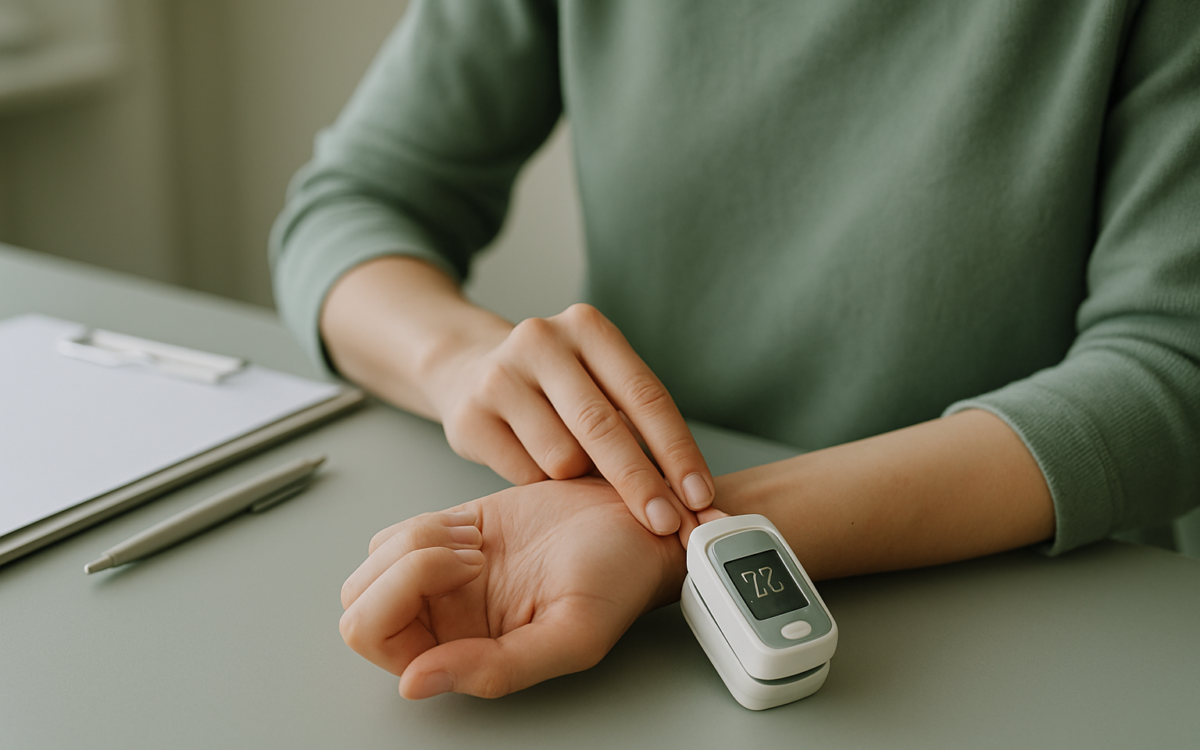
Your heart rate is more than just a number; it can provide important insights into your health and fitness. Understanding your heart rate can help you manage stress, track your fitness levels, and recognize potential health concerns. So, how do you test your heart rate effectively? In this guide, we’ll take you through different methods to measure your heart rate, helping you embrace a healthier lifestyle.
Why Is Heart Rate Important?
Heart rate, or the number of times your heart beats in a minute, is a crucial indicator of your cardiovascular health. Maintaining a healthy heart rate can help prevent heart-related issues and improve overall well-being. A normal resting heart rate for adults typically ranges from 60 to 100 beats per minute (bpm). Regularly monitoring your heart rate can help you detect potential health problems early on. For more information on the importance of heart rate, visit the CDC.
Types of Heart Rate Measurements
There are various types of heart rate measurements, each serving different purposes. Understanding these can help you select the best method for your needs:
- Resting Heart Rate: This is your heart rate when you are at rest. A lower resting heart rate generally indicates better cardiovascular fitness.
- Maximum Heart Rate: This is the highest heart rate your body can safely achieve during exercise. It’s often estimated by subtracting your age from 220.
- Target Heart Rate: This range is recommended during exercise to maximize cardiovascular benefits, usually between 50% to 85% of your maximum heart rate.
How to Measure Your Heart Rate
Measuring your heart rate can be done easily at home or while on the go. Here are some comfortable and reliable ways to assess your heart rate:
Using Your Fingers
One of the simplest methods is to use your fingers to locate your pulse. Here’s how:
- Choose a quiet place to sit and relax.
- Use the tips of your index and middle fingers to press down lightly on your wrist (radial pulse) or side of your neck (carotid pulse).
- Count the beats you feel for 30 seconds, then multiply this number by two to get your heart rate in bpm.
Using a Stopwatch or Timer
If you prefer a more structured approach, you can use a stopwatch or timer:
- Find your pulse as described above or listen to your heartbeat while sitting quietly.
- Start the timer and count the beats for a full minute to get an accurate heart rate.
Using Fitness Trackers or Smartwatches
Many fitness trackers and smartwatches provide continuous heart rate monitoring. Here’s how to use them:
- Wear the device according to the manufacturer’s instructions.
- Check the device’s app or display to view your heart rate in real-time.
For those actively tracking their fitness, devices like these offer the convenience of having heart rate data throughout the day.
Heart Rate Variability and Its Significance
Heart rate variability (HRV) refers to the variation in time between each heartbeat. Higher HRV is often associated with better cardiovascular fitness and the ability to handle stress, while lower HRV may indicate stress or fatigue. Monitoring your HRV can provide insights into your overall health. For more on heart rate variability, you can refer to the Mayo Clinic.
When to See a Doctor
If you notice any unusual patterns in your heart rate, it’s essential to consult a doctor. Here are a few indicators that warrant professional advice:
- Consistent resting heart rate above 100 bpm (tachycardia) or below 60 bpm (bradycardia) without regular exercise.
- Feeling dizzy, short of breath, or experiencing chest pain associated with changes in heart rate.
- Experiencing unusual fluctuations in heart rate that do not correlate with activity levels.
Being proactive about your heart health by monitoring your heart rate can help you understand your body better and identify potential health issues before they become serious.
Conclusion
In summary, learning how to test your heart rate accurately can empower you to take charge of your heart health. Whether you choose a manual method or rely on technology, keeping track of your heart rate is a vital part of maintaining your well-being. Remember, any significant changes in heart rate should always be discussed with a healthcare provider.
