
Experiencing a late period can stir a wide range of emotions, from worry to relief. It’s a common occurrence for many people who menstruate, and while a few days can feel like an eternity, there are numerous factors that can contribute to this delay. Understanding these causes can give you peace of mind and clarity.
What is a Normal Menstrual Cycle?
The menstrual cycle typically lasts between 21 to 35 days, with an average cycle being around 28 days. However, each person’s cycle is unique and may vary from month to month due to various factors.
Common Reasons for a Late Period
If your period is late by just a few days, it might not be a cause for concern. Here are some of the most common reasons a menstruator might experience a late period:
- Stress: High stress levels can affect your hormonal balance, leading to a delayed cycle. Stress can result from various life changes such as work pressure, relationship issues, or even emotional distress.
- Changes in Weight: Significant weight loss or gain can impact your menstrual cycle. Body fat affects estrogen levels, which are essential for regulating the menstrual cycle.
- Exercise Habits: Intense physical activity or a sudden increase in exercise can cause changes in your cycle. Athletes often experience irregular periods due to the body’s adaptation to high levels of physical stress.
- Hormonal Imbalances: Conditions such as polycystic ovary syndrome (PCOS) can cause hormonal disruptions that may delay your period. Hormones play a crucial role in the timing of ovulation and menstruation.
- Medications: Certain medications, including hormonal birth control, can influence your menstrual cycle. Changes in dosage or switching methods can lead to delays.
Could It Be Pregnancy?
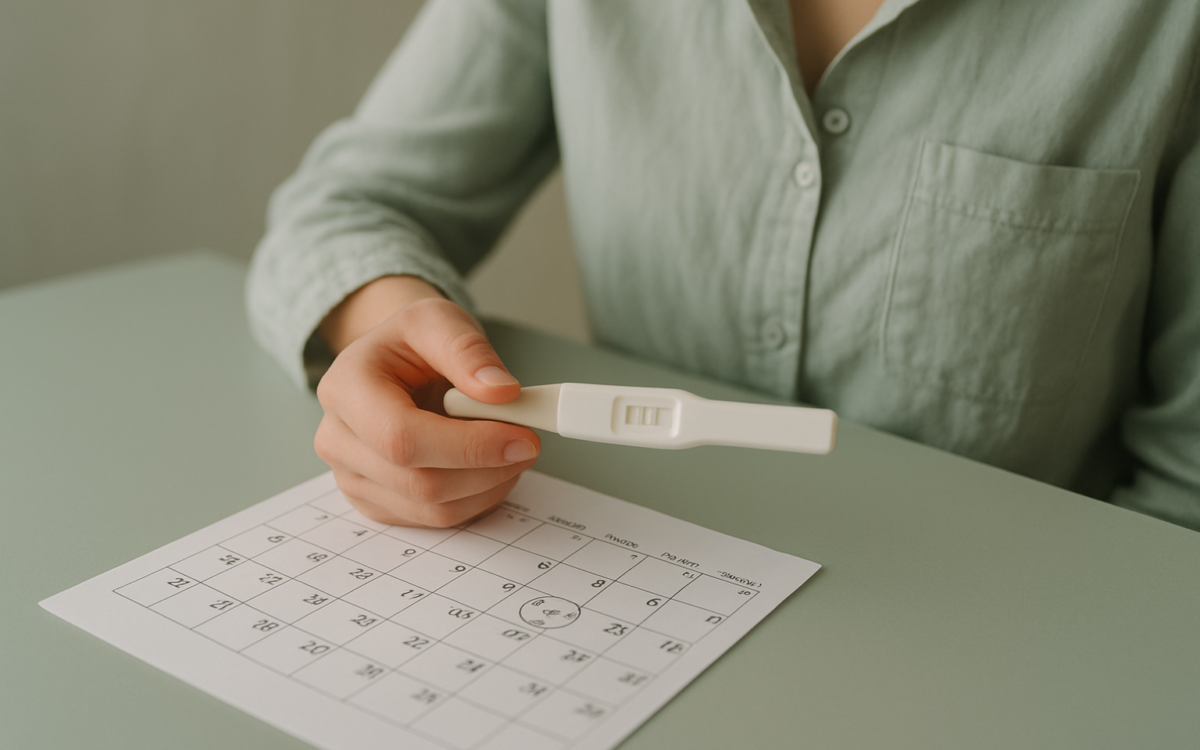
One of the first thoughts many have when their period is late is the possibility of pregnancy. If you are sexually active and have missed your period, it may be wise to take a home pregnancy test to rule out this possibility. Home tests are usually reliable if taken after a missed period. For more accurate results, you might consider visiting a healthcare provider who can give you a blood test.
Understanding Hormonal Fluctuations
Hormonal fluctuations are a natural part of life that can affect your menstrual cycle. These fluctuations can occur during:
- Menopause: As you approach menopause, cycles may become irregular and periods may be delayed.
- Birth Control: Starting or stopping hormonal contraceptives can significantly impact your cycle. After stopping, it may take some time for your body to readjust.
- Thyroid Issues: The thyroid gland regulates hormone production; disorders can lead to changes in menstrual cycles.
When to See a Doctor
While a late period can be normal, there are situations where it’s essential to consult with a healthcare provider. You should consider scheduling an appointment if:
- Your period is consistently irregular.
- You experience severe pain or other unusual symptoms.
- You have known conditions that affect your menstrual cycle, such as PCOS or thyroid disorders.
- A pregnancy test is positive.
Your doctor can help diagnose any underlying issues and provide recommendations for managing your menstrual health.
Tracking Your Cycle
Keeping a record of your menstrual cycle can be incredibly beneficial. Use a calendar or a menstrual tracking app to observe patterns or changes over time. This information can be particularly useful when discussing your menstrual health with your healthcare provider.
By understanding your body and maintaining awareness of how your cycle works, you can better navigate any irregularities that may come up.
Conclusion
A late period can be a sign of several factors, ranging from normal hormonal changes to significant health concerns. While a few days might not be alarming, it’s essential to listen to your body. Staying informed and proactive about your menstrual health will empower you to make the right decisions regarding your well-being.
