
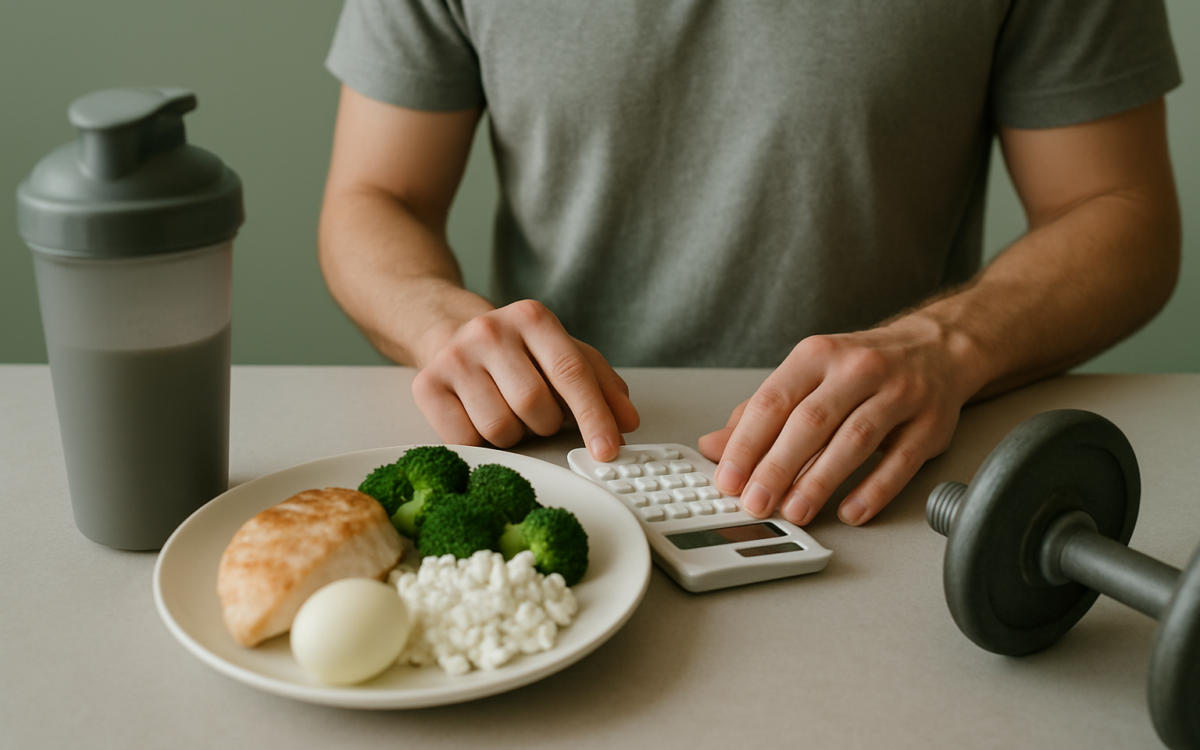
Whether you’re a seasoned athlete or just embarking on your fitness journey, understanding how much protein you need to build muscle is crucial. Protein is one of the essential macronutrients your body requires to repair and grow muscle tissues. This article delves into protein needs, how to calculate them, and the role they play in muscle development.
What is protein and why is it important?
Protein is a vital nutrient made up of amino acids, which serve as the building blocks of muscles and other tissues. When you engage in physical activities like strength training, you create tiny tears in your muscle fibers. Protein helps repair these tears, allowing your muscles to grow stronger and bigger over time.
According to the National Institutes of Health, adequate protein intake is not just important for athletes but for everyone engaging in regular exercise. It supports recovery and helps in the overall maintenance of health.
How much protein do you need?
The amount of protein needed to build muscle varies depending on several factors, including your age, sex, weight, activity level, and overall fitness goals. The general recommendation for those looking to gain muscle is about 1.2 to 2.2 grams of protein per kilogram of body weight. For example:
- 1.2 grams/kg: For individuals engaging in moderate exercise.
- 1.6 to 2.2 grams/kg: For those who are intensely training or trying to build significant muscle mass.
To better visualize this, a person weighing 70 kg (about 154 pounds) looking to build muscle would aim for approximately 84 to 154 grams of protein a day.
How to use a protein to build muscle calculator
Using a protein calculator can simplify the process of determining your protein needs. Here’s a simple step-by-step guide:
- Determine your weight in kilograms: To convert pounds to kilograms, divide your weight by 2.2.
- Choose your activity level: Decide whether you’re moderately exercising or training intensely.
- Multiply your weight by the appropriate protein range: Use the formulas:
- For moderate exercise: Weight (kg) x 1.2 – 1.6
- For intense training: Weight (kg) x 1.6 – 2.2
- Adjust as needed: If you are not seeing desired results, you may need to tweak your intake.
Food sources to meet your protein needs
It’s essential to incorporate various protein sources into your diet. Here are some excellent options:
- Animal sources: Chicken, turkey, fish, eggs, and dairy products like milk, yogurt, and cheese.
- Plant-based sources: Legumes, nuts, seeds, soy products (like tofu), and whole grains.
- Protein supplements: If you struggle to get enough protein through food alone, consider protein powders, which can be added to smoothies or shakes.
Eating a balanced diet that includes a variety of these sources can help you achieve your protein goals and fuel your workouts effectively.
Common misconceptions about protein intake
There are several misconceptions surrounding protein intake and muscle growth that can mislead individuals:
- More protein is always better: Consuming excessive amounts of protein does not equate to more muscle gain and can strain your kidneys over time.
- Only protein matters: While protein is important, a well-rounded diet that includes carbohydrates and fats is also necessary for athletic performance and recovery.
- All proteins are equal: Not all protein sources provide the same benefits. Animal proteins generally contain all essential amino acids, while many plant sources may lack one or more.
When to see a doctor
If you’re unsure about your protein needs or if you’re experiencing fatigue, muscle weakness, or other health issues related to nutrition, consulting your healthcare provider is advisable. They can help assess your dietary habits and may refer you to a nutritionist for personalized guidance.
In conclusion
Understanding how to calculate your protein needs can empower you in your journey to build muscle and enhance your fitness level. Be sure to consume a balanced diet combining various protein sources, stay mindful of your overall nutrition, and consult healthcare professionals when needed. With the right knowledge and approach, you’ll be well on your way to achieving your fitness goals!
