
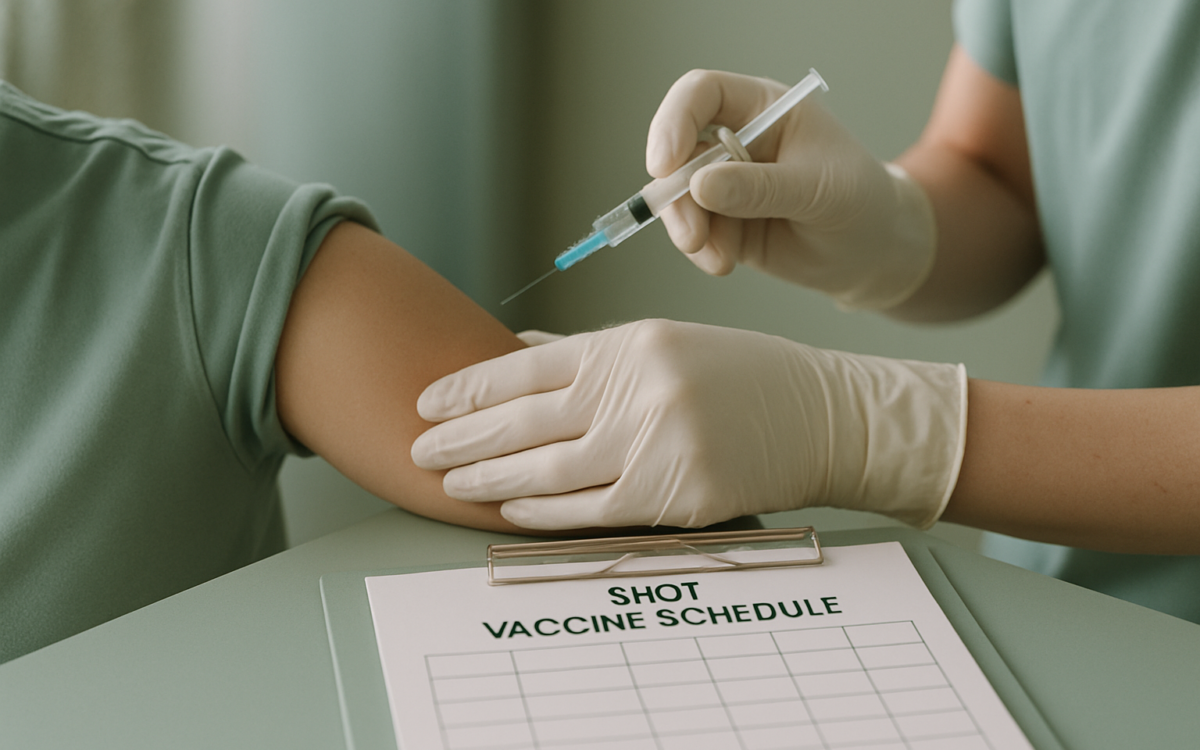
Staying up to date on vaccinations is vital for the health and safety of your family. Vaccines can protect against serious diseases and help prevent outbreaks. However, understanding the shot vaccine schedule can seem overwhelming at first. This guide aims to clarify the recommended vaccine schedule for children and adults, making it easier for you to keep your loved ones protected.
Why Vaccines Matter
Vaccines are among the most effective public health tools available. They help the body develop immunity to specific diseases without causing the illness. When a significant portion of the community is vaccinated, it lowers the chances of disease spread, protecting those who cannot be vaccinated, such as infants and individuals with certain medical conditions.
According to the Centers for Disease Control and Prevention (CDC), vaccines prevent an estimated 2-3 million deaths each year worldwide and play a crucial role in keeping your community safe.
Recommended Vaccine Schedule for Children
The CDC provides guidelines for a childhood vaccination schedule, which is designed to protect children from various diseases starting from birth. Here’s a quick overview of the vaccines and their recommended ages:
- Birth: Hepatitis B (1st dose)
- 2 months: DTaP (diphtheria, tetanus, pertussis), Hib (Haemophilus influenzae type b), IPV (inactivated poliovirus), PCV13 (pneumococcal conjugate), and RV (rotavirus)
- 4 months: DTaP, Hib, IPV, PCV13, and RV (2nd doses)
- 6 months: DTaP, Hib, IPV, PCV13, and RV (3rd doses), and Hepatitis B (2nd dose at 6-18 months)
- 12-15 months: MMR (measles, mumps, rubella), VAR (varicella), and PCV13 (4th dose)
- 4-6 years: DTaP, IPV, MMR, and VAR (boosters)
- 11-12 years: Tdap (tetanus, diphtheria, pertussis), HPV (human papillomavirus), and meningococcal vaccines
It’s essential to follow this schedule closely to ensure your child receives the best protection possible against these diseases. Missed vaccines can leave children vulnerable, increasing the chances of outbreaks within the community.
Vaccination for Adults
Vaccination isn’t just for kids. Adults also need to stay up to date on specific vaccines. Factors like age, lifestyle, occupation, and medical history can influence which vaccines you may need. Here are the common vaccines recommended for adults:
- Tdap: A booster for whooping cough should be received every 10 years.
- Flu shot: An annual flu shot is recommended for all adults.
- Pneumococcal vaccine: Recommended for adults over 65 or those with specific health conditions.
- Shingles vaccine: Recommended for adults over 50.
It’s important for adults to consult with their healthcare provider regarding their vaccination status, especially if they travel frequently or have specific health concerns.
Staying Informed About International Vaccination Recommendations
If you plan on traveling abroad, it’s important to stay informed about vaccinations that may be recommended or required for specific regions. Some vaccines may vary by country, and international health organizations often provide guidelines tailored for travelers. For example, vaccines against diseases like yellow fever and typhoid may be necessary for certain destinations.
Organizations like Acibadem International can provide information about vaccination requirements and health tips for travelers. Always check these recommendations well in advance of your trip.
Tips for Timely Vaccination
Keeping track of the vaccination schedule can be challenging, especially with busy family life. Here are some tips to help you stay organized:
- Keep a record of vaccination dates in a dedicated notebook or a digital app.
- Set reminders for upcoming vaccine appointments on your phone or calendar.
- Consult your healthcare provider regularly to review your family’s vaccination history.
- Utilize local health department resources for community vaccination events.
Staying proactive can ensure that you and your family remain protected against preventable diseases.
When to See a Doctor
If you have any concerns or questions about vaccines, don’t hesitate to consult your healthcare provider. It’s especially important to discuss vaccinations if you’re experiencing:
- Adverse reactions after a vaccination
- Questions regarding vaccine recommendations for travel
- Concerns about your or your child’s health history affecting vaccine eligibility
Your doctor can help assess your situation and provide tailored advice for your health needs.
Conclusion
Staying informed about your shot vaccine schedule is crucial for protecting your family against serious diseases. By understanding when vaccines are needed and maintaining up-to-date immunizations, you’re contributing to a healthier community. Remember, always consult with your healthcare provider to ensure you’re making the best choices for your family’s health.
