
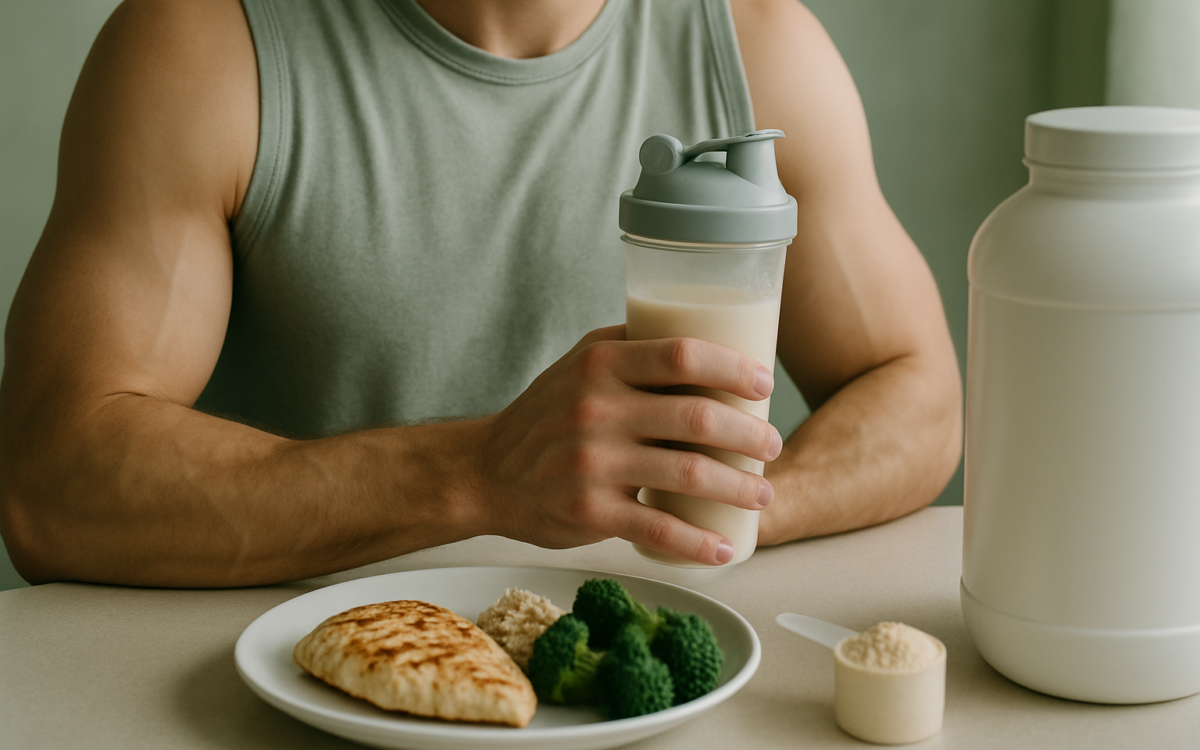
When it comes to building muscle, nutrition plays a critical role, and protein is often dubbed the king of macronutrients. But how much protein do you really need to gain muscle? Understanding your protein requirements isn’t just about numbers; it’s about fueling your body correctly to achieve your fitness goals. This article will guide you through the science of protein intake and provide evidence-based recommendations tailored to your needs.
Understanding Protein’s Role in Muscle Growth
Protein is essential for muscle growth and repair. When you engage in resistance training—be it weightlifting, bodyweight exercises, or even sports—your muscle fibers endure minor tears. Protein helps repair these tears, which ultimately leads to increased muscle mass and strength over time.
Muscle protein synthesis (MPS) occurs when the rate of protein synthesis surpasses the rate of protein breakdown. To maximize MPS, adequate protein intake is crucial. But how much do you need? The answer varies depending on several factors, including your weight, activity level, and overall goals.
How Much Protein Do You Need?
The general recommendation for those looking to gain muscle is to consume between 1.6 to 2.2 grams of protein per kilogram of body weight per day. This range effectively supports muscle growth and recovery. For example, if you weigh 70 kg (about 154 lbs), you should aim for approximately 112 to 154 grams of protein daily.
To simplify, here’s how you can calculate your protein needs:
- Determine your body weight in kilograms (lbs ÷ 2.2).
- Multiply your weight by the recommended grams per kilogram:
- Beginner or general fitness: 1.6 g/kg
- Intermediate to advanced training: 1.8-2.2 g/kg
The Best Sources of Protein
Not all proteins are created equal. Choosing high-quality protein sources can help maximize muscle gain. Here are several options:
- Animal-based proteins: Chicken, turkey, fish, eggs, and dairy products are rich in essential amino acids.
- Plant-based proteins: Lentils, chickpeas, quinoa, tofu, and nuts are excellent sources, though they may lack one or more essential amino acids. Combining various plant sources can help achieve a complete protein profile.
- Protein supplements: Options like whey protein or plant-based protein powders can supplement your diet, especially if you find it challenging to meet your protein goals through food alone.
Protein Timing and Distribution
It’s not just about how much protein you eat, but also when you eat it. To optimize muscle growth, aim to distribute your protein intake throughout the day. Research suggests that consuming protein-rich meals multiple times (every 3-5 hours) can enhance MPS.
Post-workout nutrition is particularly crucial. Consuming a balanced meal with protein and carbohydrates within two hours after exercising can help kickstart recovery and muscle building. An example could be a protein shake with some fruit or a chicken sandwich after your workout.
For those considering international treatment options or seeking advanced nutrition plans, facilities like Acibadem International offer tailored programs specifically designed for muscle gain.
Common Myths About Protein Intake
There are many myths surrounding protein intake and muscle gain. Let’s debunk a few common misconceptions:
- The more protein, the better: Consuming excessively high amounts of protein doesn’t necessarily lead to more muscle gains and can put stress on the kidneys in some cases.
- Vegetarians can’t gain muscle: With the right plant-based protein sources and combinations, vegetarians can gain muscle effectively.
- Protein intake is only important post-workout: While timing is important, the overall daily intake is what will most influence muscle growth.
When to See a Doctor
If you’re considering significant changes to your diet or exercise routine, or if you have underlying health conditions, it’s wise to consult with a healthcare provider. Signs you should see a doctor include:
- Unexplained weight loss or gain.
- Persistent fatigue despite adequate sleep and nutrition.
- Signs of kidney issues, such as swelling or changes in urine output.
Conclusion
Understanding your protein requirements is crucial for muscle growth. By tailoring your intake to your body weight, choosing quality sources, and timing your meals, you can optimize your muscle-building journey. Remember, individual needs may vary, so it’s best to consult with a healthcare professional or nutritionist for personalized advice. With the right approach, the results will follow!
