
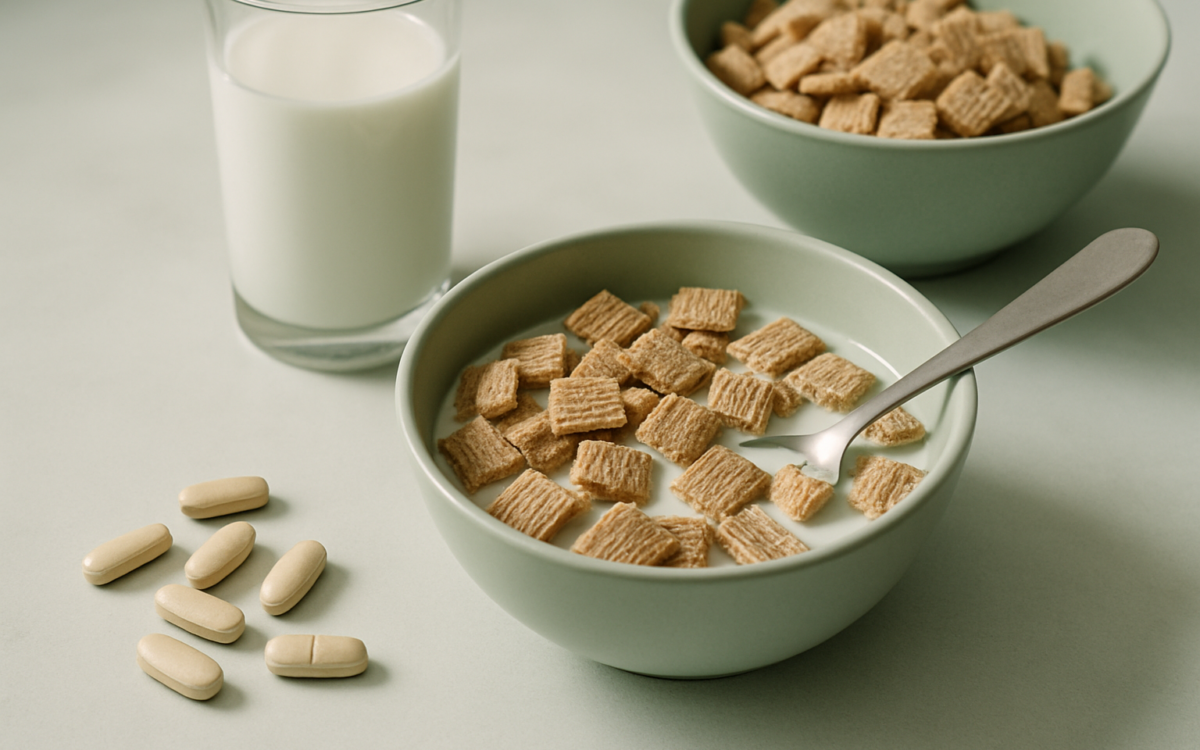
When it comes to breakfast options, fortified breakfast cereals have made a significant mark in many households. These convenient and colorful boxes are not just for kids; they provide essential nutrients that can benefit anyone looking to start their day off on the right foot. But what exactly are fortified cereals, and how do they stack up in terms of nutrition? Let’s explore!
What Are Fortified Breakfast Cereals?
Fortified breakfast cereals are grains that have added vitamins and minerals. The process of fortification involves enriching these cereals with nutrients that may not be naturally present or may be in insufficient amounts. Common additions include vitamins B12, D, and iron, which are crucial for various bodily functions.
Health Benefits of Fortified Cereals
Choosing fortified cereals can provide numerous health benefits, making them a great addition to your diet.
- Improved Nutritional Intake: Many diets lack essential nutrients. Fortified cereals can help fill these gaps. For example, iron is vital for producing hemoglobin in your blood, and many individuals, particularly women and children, may not get enough through diet alone.
- Convenience and Accessibility: Fortified cereals are easy to prepare, making them a quick and nutritious breakfast option for busy mornings. They can be eaten plain, with milk, or even added to yogurt for a nutrient-packed meal.
- Encouraging Healthy Habits: Introducing fortified cereals to children can help instill healthy eating habits from a young age. It sets a foundation for lifelong health, especially if these cereals are paired with fruits and nuts!
Nutritional Information to Consider
When selecting a fortified breakfast cereal, it is essential to read the nutrition label carefully. Here are some key points to consider:
- Check the Sugar Content: While many cereals are fortified, some also contain high amounts of sugar. Aim for options with lower sugar content to ensure you are making a healthier choice.
- Look for Whole Grains: Whole grain cereals provide more fiber compared to their refined counterparts. Fiber is essential for digestive health and can help keep you feeling fuller longer.
- Vitamins and Minerals: Check for the specific vitamins and minerals included in the cereal. Aim for those that provide at least 10% of your daily value for several nutrients.
Fortified Cereals Around the World
Fortified cereals are a popular choice globally, but the types and fortification processes can vary from country to country. In developing nations, fortifying staple foods with vitamins and minerals has been a strategy to combat malnutrition. For example, countries may fortify cornmeal or rice instead of cereals. As global health initiatives seek to address nutritional deficits, there’s a greater emphasis on providing fortified foods.
With the increasing awareness of nutrition, travelers looking for dietary options may find treatments like treatment in Turkey incorporating local staples fortified for nutritional support, showcasing how international dietary practices can blend with modern nutrition science.
Choosing the Right Cereal for Your Family
With so many options available, how do you choose the right fortified breakfast cereal? Here are some tips to help guide your selection:
- Involve Your Family: Let your kids help pick out cereals at the store. This fosters engagement and ensures they are more likely to eat what they choose.
- Rotate Options: Don’t stick to just one cereal. Rotating different varieties can help ensure a broader range of nutrients and keep breakfast exciting.
- Use Toppings Creatively: Enhance the nutritional value of cereals by adding sliced fruits, nuts, or seeds. These additions can boost fiber and provide healthy fats!
Addressing Concerns About Fortification
While fortified breakfast cereals offer many benefits, some people have concerns about their nutritional value and safety. Here are a few factors to keep in mind:
- Balance is Key: Fortified cereals should not be the only source of nutrition. They are most beneficial when part of a balanced diet that includes a variety of foods.
- Possible Allergens: Some fortified cereals may contain allergens like gluten or nuts. Always check ingredient lists if you have dietary restrictions or allergies.
- Consulting Professionals: If you have specific health concerns or dietary questions, it’s crucial to consult with a healthcare professional for personalized advice. Organizations like the CDC offer guidelines on dietary intake and nutrition that can be beneficial.
When to See a Doctor
If you or your family members experience symptoms like fatigue, weakness, or other signs of nutritional deficiency, or if you have specific dietary concerns, it’s important to consult with a healthcare provider. They can offer advice tailored to your individual needs.
Overall, fortified breakfast cereals can be a valuable part of your daily routine, providing essential nutrients that support a healthy lifestyle. By choosing wisely and considering the nutritional information available, you can boost your family’s health with this simple breakfast choice.
