
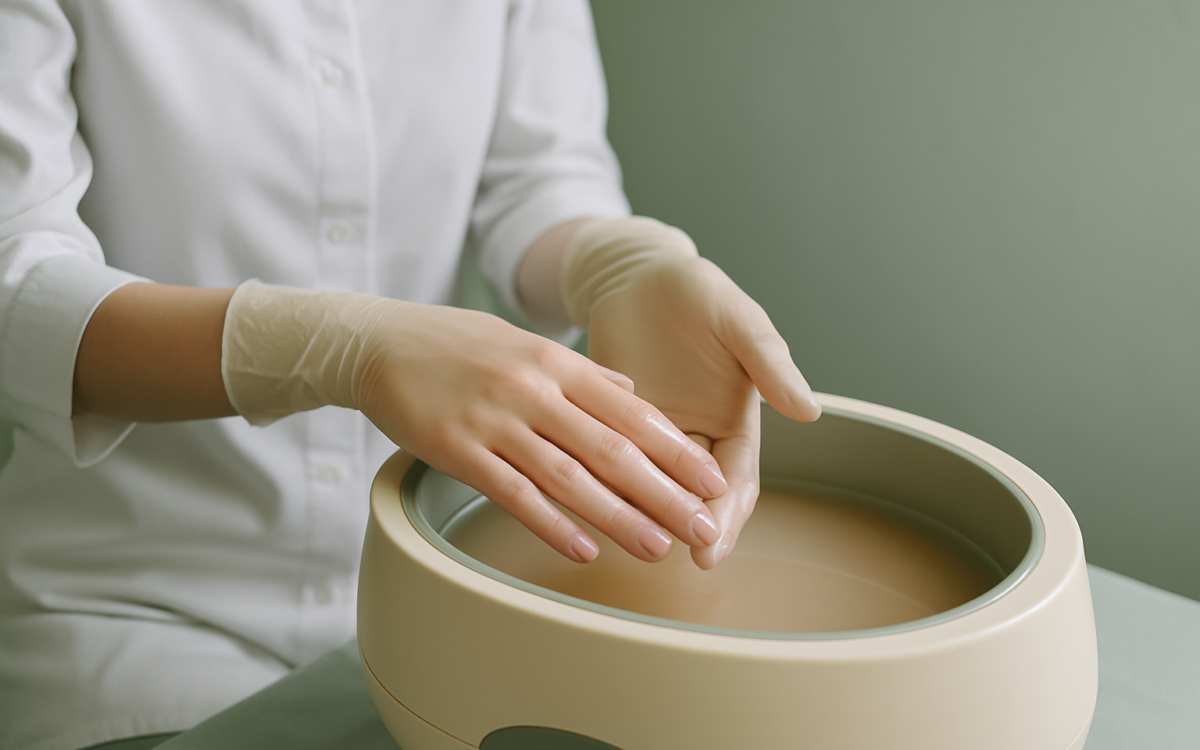
Paraffin wax is often seen as a luxury treat in spas and salons, but its benefits extend far beyond a simple aesthetic indulgence. This versatile substance not only provides soothing warmth but also offers skin and muscle relief. Understanding what paraffin wax is, its uses, and how to safely incorporate it into your routine can help unlock its many benefits.
What is paraffin wax?
Paraffin wax is a white or colorless soft solid derived from saturated hydrocarbons. It is obtained from petroleum, coal, or oil shale and is widely used in various applications, from candle making to food preservation. However, its most popular usage in the health and wellness industry remains for therapeutic skin applications and muscle treatment.
How paraffin wax treatments work
Paraffin wax treatments involve melting the wax into a liquid state and then cooling it enough to allow safe application to the skin. This process creates a warm, therapeutic environment for the affected area. Here’s how it typically works:
- **Heating**: The wax is heated to a safe, warm temperature, usually between 125°F and 130°F (about 52°C to 54°C).
- **Dipping or brushing**: The hands, feet, or other body parts are either dipped into the wax or brushed with it. This creates a thick layer of wax around the skin.
- **Retaining heat**: The wax retains and slowly releases heat, which helps to dilate the blood vessels, promoting circulation and relieving pain.
- **Moisturization**: The wax acts as an occlusive barrier, locking in moisture and softening the skin.
Benefits of paraffin wax treatments
Paraffin wax offers multiple advantages, making it a popular choice for those seeking relief and rejuvenation:
- **Skin hydration**: Paraffin wax is known for its ability to moisturize and soften dry skin. It can be especially beneficial for those suffering from conditions like eczema or psoriasis.
- **Pain relief**: Many people use paraffin wax treatments for relief from arthritis, muscle pain, and joint stiffness. The warm sensation can help reduce discomfort and improve mobility.
- **Improved circulation**: The heat from the wax promotes blood flow, which can aid in the healing process and reduce muscle tension.
- **Stress reduction**: The warm, soothing nature of a paraffin wax treatment can also provide relaxation and comfort, reducing stress levels.
Common uses of paraffin wax
Paraffin wax treatments can be applied in various settings and for different purposes:
- **Spa treatments**: Many spas offer paraffin wax treatments as a part of their facial and massage services.
- **At-home therapies**: Paraffin wax baths can be purchased for home use, allowing individuals to enjoy the benefits in their own space.
- **Rehabilitation**: Physical therapists often use paraffin baths to treat patients with joint problems or chronic pain conditions.
How to safely use paraffin wax at home
If you’re considering using paraffin wax at home, following proper safety guidelines is vital:
- **Choose the right wax**: Be sure to select cosmetic-grade paraffin wax meant for skin treatments.
- **Test the temperature**: Always test the wax temperature on a small patch of skin (like the wrist) to avoid burns.
- **Limit exposure**: Apply the wax for about 10-15 minutes, ensuring not to exceed safe limits.
- **Protect surfaces**: Use towels or old newspaper to protect surfaces from drips during application.
Potential risks and precautions
Although paraffin wax treatments are generally safe, there are some precautions to consider:
- **Skin conditions**: Individuals with open wounds, rashes, or infected skin should avoid paraffin wax treatments.
- **Burn risk**: Always ensure the wax isn’t too hot. Skin can burn easily with high temperatures.
- **Allergic reactions**: Be cautious if you have sensitive skin or allergies. Always perform a patch test before full application.
When to see a doctor
While paraffin wax treatments can provide relief and comfort, some situations warrant professional evaluation. Consult a doctor if you experience:
- Severe or persistent pain that does not improve with treatment.
- Signs of an allergic reaction, such as redness, itching, or swelling after using paraffin wax.
- Worsening skin conditions or new symptoms that arise following your treatment.
For more detailed information about skin treatments and safety, check out resources like the National Institutes of Health or the Mayo Clinic.
In conclusion, paraffin wax is a remarkable tool that provides numerous benefits for skincare and pain relief. Its simple application makes it accessible to many, whether at a professional spa or in the comfort of your own home. However, always prioritize safety and consult with healthcare professionals if you have concerns or underlying health conditions. With the right approach, paraffin wax can be a warm and welcoming addition to your wellness routine.
