
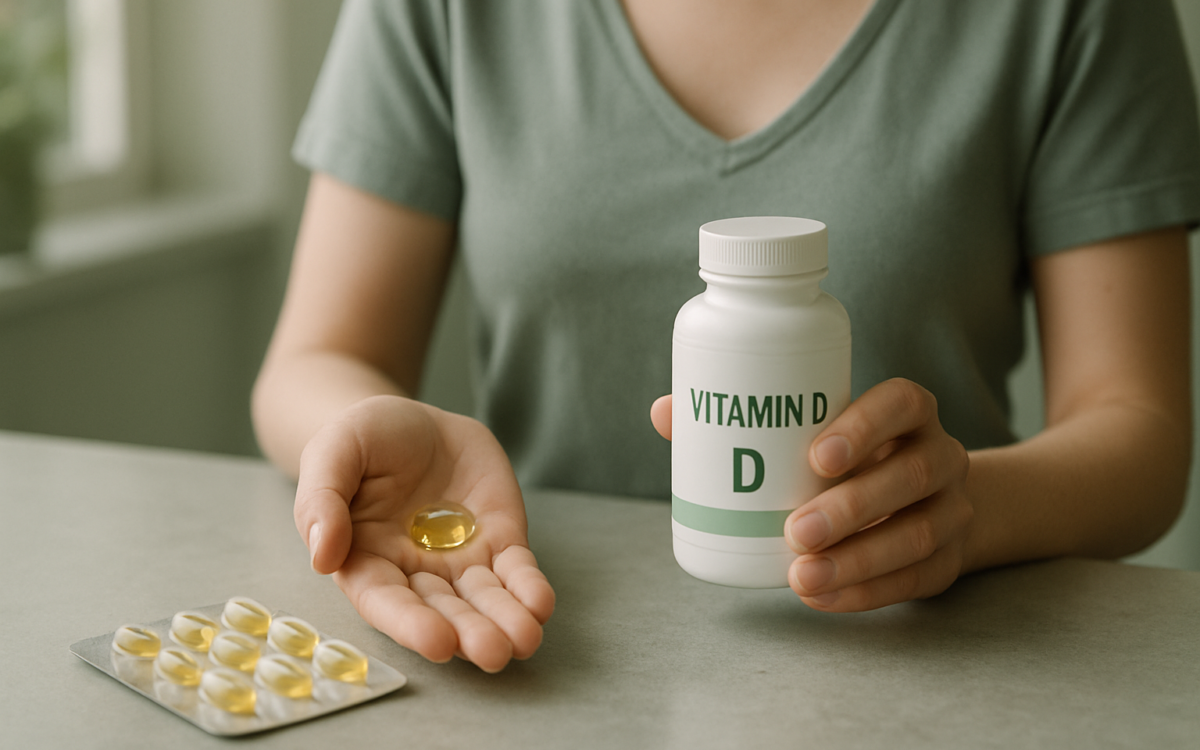
Vitamin D is often dubbed the “sunshine vitamin” because our bodies can produce it when exposed to sunlight. However, as many women may know, factors like busy schedules, long winters, or skin protection can limit sun exposure, leading to potential deficiencies. Supplementing with vitamin D has become a popular strategy for maintaining optimal health, especially for women. But what exactly are the benefits, and how should you approach supplementation? Let’s delve into the details of vitamin D and its importance for women’s health.
The Role of Vitamin D in Women’s Health
Vitamin D is crucial for several bodily functions, particularly in women. It aids in:
- Bone Health: Vitamin D helps the body absorb calcium, vital for strong bones. Women are at a higher risk for osteoporosis, particularly after menopause.
- Immune Function: Adequate vitamin D levels support a well-functioning immune system, helping to fend off infections.
- Mood Regulation: Some studies suggest a link between vitamin D levels and mood disorders, including depression.
- Pregnancy Health: For expectant mothers, vitamin D is necessary for fetal development and can help reduce the risk of complications.
Signs of Vitamin D Deficiency
Recognizing vitamin D deficiency is essential for maintaining health. Some common signs include:
- Fatigue or weakness
- Bone pain or joint pain
- Frequent infections or illnesses
- Depressed mood or feelings of sadness
- Hair loss
If you’re experiencing these symptoms, it might be worth discussing with your healthcare provider who may recommend a blood test to check your vitamin D levels.
Choosing the Right Vitamin D Supplement
When considering vitamin D supplements, it’s crucial to understand the different forms available:
- Vitamin D2 (Ergocalciferol): Often derived from yeast, it’s effective but may not be as potent as D3.
- Vitamin D3 (Cholecalciferol): This is usually derived from animal sources and is the more effective form for raising vitamin D levels in the blood.
Always opt for a product that has been tested for quality and efficacy. Reading labels and understanding the dosage is vital. The general recommended daily allowance (RDA) for adult women is 600-800 IU (International Units), but individual needs can vary, so consult your healthcare provider for personalized guidance.
Potential Risks and Side Effects
While vitamin D is essential, like all supplements, it can have side effects, particularly when taken in excess. Some of the risks associated with high doses of vitamin D include:
- Nausea and vomiting
- Weakness and fatigue
- Kidney stones
- Hypercalcemia (high levels of calcium in the blood)
It’s important to note that excessive supplementation can provide more harm than good. Regular monitoring of blood levels can help ensure you maintain an appropriate balance.
Special Considerations for Different Life Stages
Your vitamin D needs may change depending on life stages:
- Adolescence: Teen girls, especially those who are menstruating, may have increased needs.
- Pregnancy and Breastfeeding: Adequate vitamin D is vital for fetal health and maternal well-being.
- Menopause: Post-menopausal women have a higher risk of osteoporosis and may require higher doses of vitamin D for bone health.
Discuss your specific situation with a healthcare provider to understand the best course of action.
Integrating Vitamin D Through Diet and Lifestyle
While supplements can help, integrating vitamin D into your diet is also essential. Here are some food sources rich in vitamin D:
- Fatty fish (salmon, mackerel, sardines)
- Fortified foods (milk, breakfast cereals, orange juice)
- Egg yolks
- Mushrooms exposed to UV light
Additionally, spending time outdoors and practicing safe sun exposure can boost your vitamin D levels naturally. Aim for around 15-30 minutes of sunlight several times a week, depending on skin type and location, while ensuring to protect your skin from prolonged exposure.
When to See a Doctor
If you suspect you have a vitamin D deficiency or if you are considering starting a vitamin D supplement regimen, it’s crucial to consult a healthcare professional. They can provide blood tests to determine your current vitamin D levels and offer personalized recommendations based on your health history and lifestyle factors.
To learn more about vitamin D and its importance for women’s health, you can refer to reputable sources such as the National Institutes of Health or the World Health Organization.
In conclusion, vitamin D is a powerful ally for women’s health, impacting everything from mood to bone strength. By understanding its role and how to incorporate it into your life, you can make informed choices that support your overall well-being. Always remember to consult with your healthcare provider before starting any new supplement to ensure it aligns with your health needs.
