
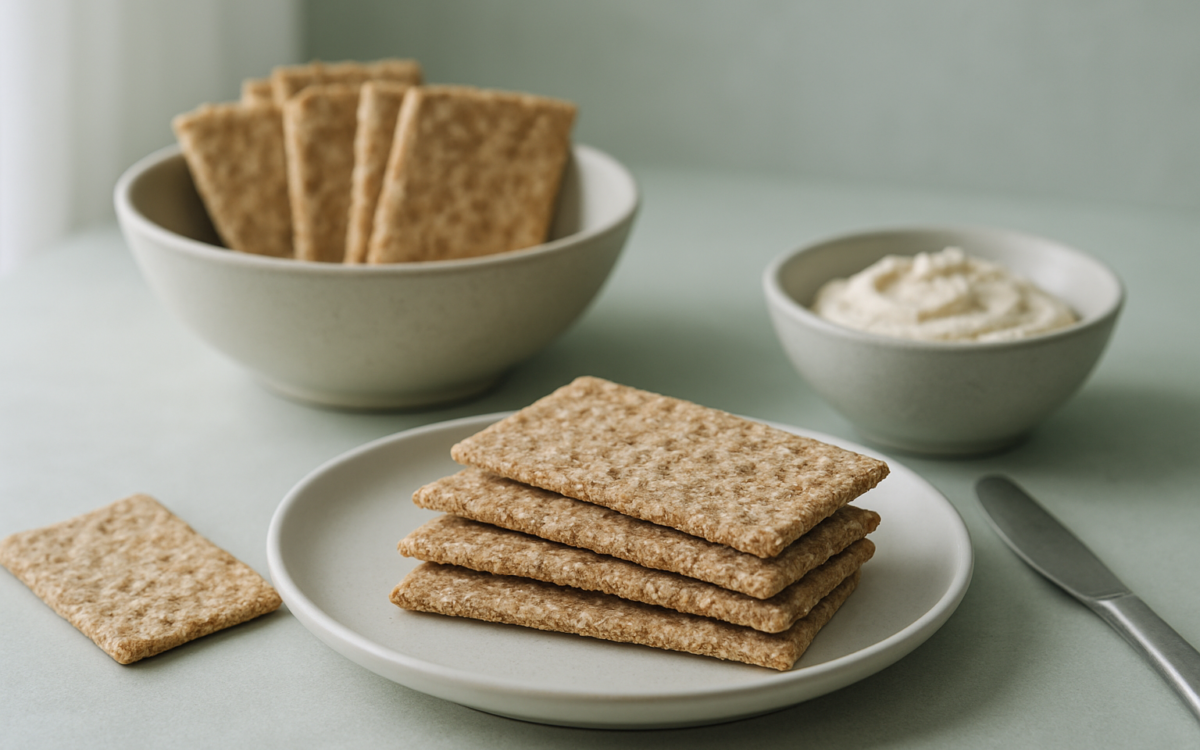
When it comes to healthy snacking, whole grain crackers often fly under the radar. These crunchy delights are more than just a vessel for cheese or spreads; they deliver a host of nutritional benefits that can enhance your diet. From boosting heart health to providing lasting energy, whole grain crackers deserve a prominent place in your pantry.
What Are Whole Grain Crackers?
Whole grain crackers are made from flour that includes the entire kernel of the grain—bran, germ, and endosperm. This means that they retain more nutrients than refined grain crackers, which have had the bran and germ removed. Common grains used in whole grain crackers include wheat, oats, rye, and brown rice.
The Nutritional Advantages
One of the standout features of whole grain crackers is their nutritional profile. Here are some key benefits:
- Rich in Fiber: Whole grain crackers are a great source of dietary fiber, which is essential for digestive health. Fiber helps to maintain bowel regularity and can prevent conditions like constipation. The Mayo Clinic recommends fiber as part of a balanced diet to ensure good digestive health (Mayo Clinic).
- Nutrients Galore: Whole grains are packed with important nutrients, including B vitamins, iron, magnesium, and zinc, which contribute to a range of bodily functions.
- Heart Health: Regular consumption of whole grains may reduce the risk of heart disease. According to research published in the American Journal of Cardiology, diets high in whole grains can lower cholesterol levels and reduce inflammation.
How to Choose the Best Whole Grain Crackers
When shopping for whole grain crackers, it’s important to read labels carefully to make sure you’re making a healthy choice. Here are some tips:
- Check the Ingredients: Look for crackers that list whole grains as the first ingredient. If the label mentions “made with whole grains,” be cautious, as it may contain more refined grains than whole grains.
- Avoid Added Sugars and Unhealthy Fats: Some brands add sugars or unhealthy oils to enhance flavor, which can negate the health benefits.
- Watch the Sodium: Opt for crackers with lower sodium content to manage blood pressure and overall heart health.
Versatile Snack Ideas
Whole grain crackers make a tasty and nutritious base for various snacks. Here are some creative ideas to get you started:
- Toppings Galore: Spread hummus, avocado, or nut butter on your crackers for an easy, nutritious snack.
- Cheese Pairings: Pair with low-fat cheese or yogurt for added protein.
- Veggie & Dip Plate: Serve crackers alongside veggies and a dip like tzatziki for a satisfying afternoon snack.
Health Considerations
While whole grain crackers are generally healthy, there are a few points to remember. Some people may have allergic reactions or sensitivities to gluten, a protein found in certain whole grains like wheat and barley. For individuals with celiac disease or gluten intolerance, there are gluten-free whole grain crackers made from alternative grains such as buckwheat or quinoa that can be a great substitute.
Additionally, eating crackers, like any snack, should be done in moderation. It’s easy to overindulge, especially if they’re your go-to pantry snack.
When to See a Doctor
If you experience gastrointestinal discomfort, significant changes in digestion, or any allergic reactions after consuming whole grain crackers, it’s important to consult a healthcare professional. Keeping track of these symptoms can help in discussing any dietary adjustments you might need to make.
Conclusion
Whole grain crackers are much more than a simple snack; they offer numerous health benefits while being versatile and delicious. By choosing the right types and pairing them creatively, you can elevate your snacking experience without sacrificing nutrition. Remember to keep a balanced perspective on your overall diet and consult with a healthcare provider if you have specific dietary concerns. Embrace the crunch, and enjoy the benefits of whole grain crackers!
