
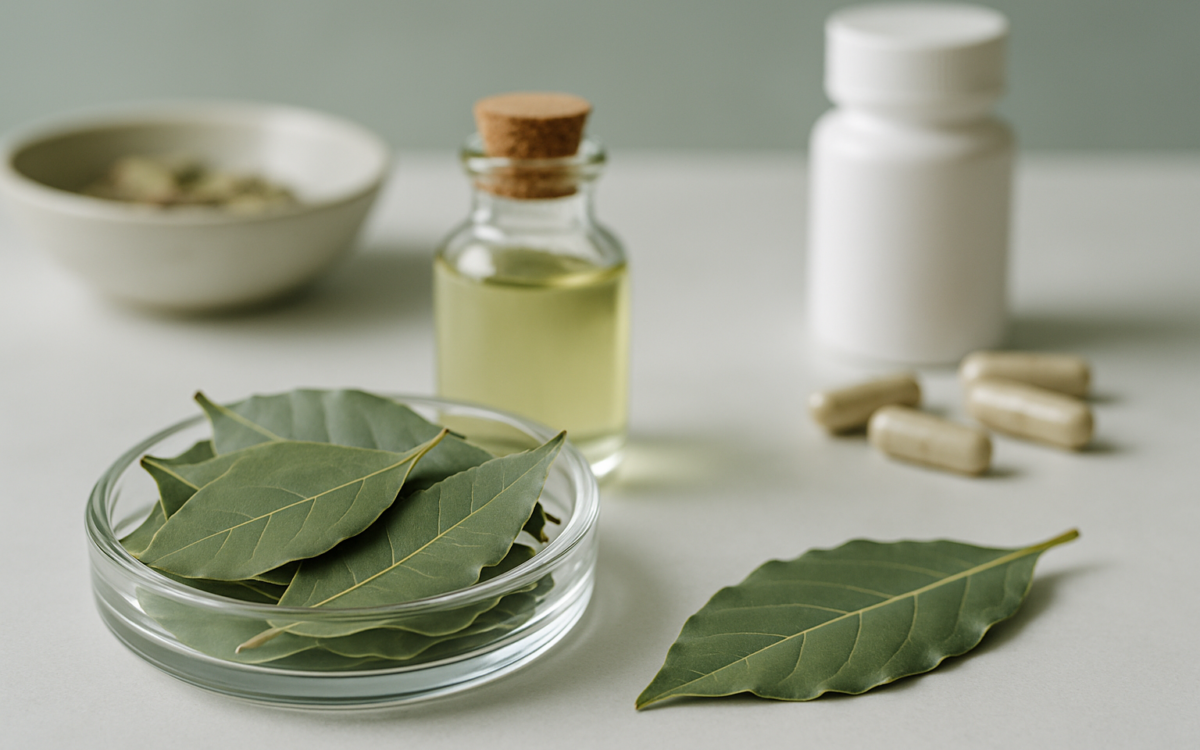
When you think of bay leaves, you might envision a cozy soup or stew, but these aromatic leaves offer more than just flavor to your meals. Rich in essential oils and nutrients, bay leaves have been used for centuries in traditional medicine. Today, we’ll explore some surprising health benefits of bay leaves and how you might incorporate them into your wellness routine.
Rich in Nutrients
Bay leaves are a hidden treasure when it comes to nutrition. They contain vitamins A, C, and various B vitamins, all of which play crucial roles in maintaining health. Vitamin A is essential for vision and immune function, while vitamin C is a powerful antioxidant that helps protect cells from damage.
Additionally, bay leaves are a source of vital minerals such as calcium, iron, magnesium, and potassium. These minerals contribute to various bodily functions, including bone health and muscle function.
Digestive Health Support
Many cultures have long used bay leaves to support digestive health. The compounds found in bay leaves can help stimulate the digestive system, making it easier for your body to process food. Some studies suggest that bay leaves may help alleviate symptoms of gastrointestinal discomfort, including bloating and gas.
In fact, a small study published in the NLM’s PubMed highlighted the anti-inflammatory properties of bay leaves, which could play a role in soothing digestive issues. The next time you’re cooking up a hearty dish, consider adding a bay leaf or two—it might do wonders for your tummy!
Anti-inflammatory and Antioxidant Properties
Bay leaves are packed with antioxidants, which protect your body from oxidative stress and the effects of aging. The antioxidants in bay leaves help combat inflammation, which is linked to chronic diseases like arthritis, heart disease, and diabetes.
Including bay leaves in your diet may support overall health by reducing inflammation in the body. In 2013, a study published in the journal Food Chemistry found that bay leaves contain compounds like eugenol and other phytochemicals that have anti-inflammatory properties.
Bay Leaves in Traditional Medicine
Historically, bay leaves have been widely recognized in traditional medicine for their therapeutic benefits. They have been used to treat various ailments, including respiratory issues, colds, and even hair loss.
In international settings, health professionals like those at Acibadem International often incorporate natural remedies like bay leaves into their treatment plans. Their anti-inflammatory and antimicrobial properties make them a relevant addition to alternative therapies in various cultures.
Easy Ways to Use Bay Leaves
Incorporating bay leaves into your diet is simple and can be quite enjoyable. Here are a few ideas:
- Add to Soups and Stews: Toss a couple of dried bay leaves into your cooking pot for an extra layer of flavor.
- Infuse in Teas: You can make a soothing herbal tea by steeping bay leaves in hot water, which may aid digestion and relaxation.
- Seasoning: Crushed bay leaves can be added to dry rubs or marinades for meats and fish, enhancing both taste and health benefits.
- Even in Desserts: Try infusing bay leaves into custards or creamy desserts for a unique flavor twist.
When to See a Doctor
While bay leaves are generally safe and beneficial for most people, it’s essential to consult your healthcare provider if you have specific health concerns or conditions. If you experience any uncomfortable symptoms after consuming bay leaves, such as nausea or allergic reactions, seek medical advice.
Conclusion
Bay leaves are much more than just a culinary accessory. With their rich nutritional profile, potential health benefits, and incorporation into traditional medicine, they are a valuable addition to your diet. So next time you’re cooking, don’t forget to add a bay leaf or two for flavor and health!
