
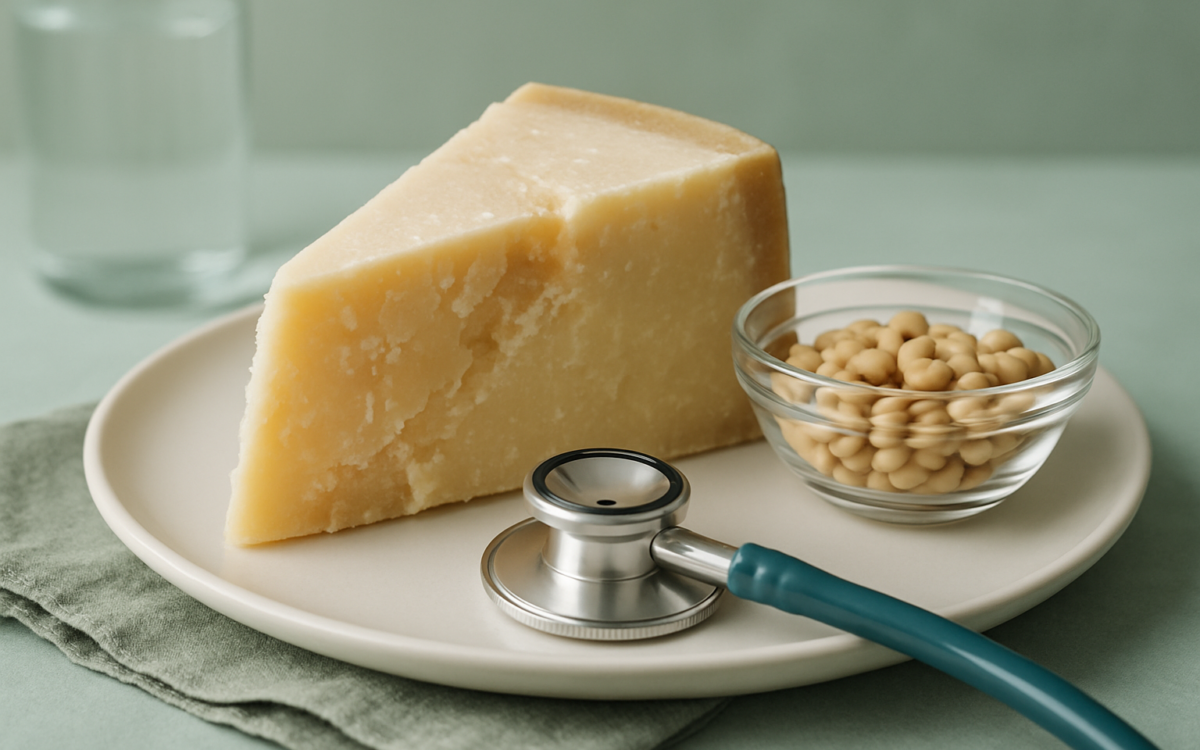
Parmesan cheese is more than just a topping for your pasta; it’s a culinary delight with a rich history and impressive nutritional profile. This hard cheese, known for its distinct flavor and long aging process, has captured the hearts and taste buds of people around the globe. With a variety of uses, from garnishing soups to enhancing salads, parmesan offers not only taste but an array of essential nutrients. Let’s explore the nutritional secrets behind this beloved cheese.
Nutritional Breakdown of Parmesan Cheese
Parmesan cheese is a hard, gritty cheese made from cow’s milk. Its impressive nutrient content makes it a valuable addition to many diets. Here’s a closer look at what makes up its nutritional profile.
Macronutrients
- Protein: Parmesan is known for its high protein content, with about 10 grams per ounce. This is beneficial for muscle health and can help keep you feeling full.
- Fat: With approximately 7 grams of fat per ounce, parmesan does contain some saturated fat. However, it’s relatively lower in fat compared to many other cheeses, making it a smart choice for adding flavor without overindulging.
- Carbohydrates: Parmesan has a low carbohydrate content, typically around 1 gram per ounce, which suits low-carb diets.
Vitamins and Minerals
This cheese is not only rich in macronutrients but is also packed with essential vitamins and minerals:
- Calcium: A vital mineral for bone health, parmesan cheese is an excellent source of calcium, providing about 30% of the daily recommended intake in just one ounce.
- Phosphorus: Important for bone and teeth formation, phosphorus works closely with calcium, and parmesan is rich in it.
- Vitamin B12: Essential for red blood cell production and nerve health, parmesan offers a good source of Vitamin B12, beneficial for vegetarians and those limiting meat consumption.
Health Benefits of Parmesan Cheese
Including parmesan cheese in your diet can offer several health benefits:
Bone Health
Thanks to its high calcium and phosphorus content, parmesan cheese can help maintain strong bones and prevent osteoporosis, especially in aging populations (source).
Weight Management
High-protein foods like parmesan cheese can significantly aid in weight management. Protein helps with satiety, making you feel fuller for longer, thus reducing overall calorie intake.
Digestive Health
Although cheese is often stigmatized for causing digestive stress, aged cheeses like parmesan are lower in lactose. This can be suitable for those who are sensitive to lactose while still providing valuable nutrients.
Parmesan in Global Cuisine
Parmesan cheese is not just a staple in Italian cooking; it has found its way into various culinary traditions worldwide. Its unique flavor profile makes it a versatile ingredient. Here are some popular ways parmesan is used globally:
- Pasta Dishes: Parmesan is famously known for its role in classic pasta dishes, such as spaghetti and fettuccine alfredo.
- Soups and Stews: A sprinkling of parmesan can elevate the flavor of various soups and stews.
- Salads: Adding shavings of parmesan to salads can provide not only flavor but also a nutritional boost.
- Snacking: Parmesan crisps have gained popularity as a low-carb snack option.
Additionally, for those seeking international treatment options, various culinary treatments incorporating parmesan cheese are available in countries known for their innovative approaches, like treatment in Turkey. It’s a reminder that food often transcends borders while maintaining rich traditions.
Potential Concerns
While parmesan cheese has numerous health benefits, there are some aspects to consider:
Sodium Content
Parmesan cheese is typically high in sodium, which can contribute to high blood pressure if consumed in excess. Moderation is essential, especially for those with hypertension.
Allergies and Intolerances
Individuals who are lactose intolerant may find parmesan easier to digest than softer cheeses but should still be cautious and monitor their body’s response. Additionally, those with a milk allergy should avoid all dairy products.
When to See a Doctor
If you experience digestive discomfort, allergic reactions, or other health concerns when consuming parmesan cheese or any dairy product, it’s a good idea to consult your doctor. They can help you determine the best dietary choices for your individual health needs.
Ultimately, parmesan cheese not only enhances your meals but also provides numerous nutritional benefits. Its history and global presence underscore its versatility and appeal to many different diets. By understanding its nutritional value, you can appreciate parmesan cheese even more and enjoy it as part of a balanced diet.
