
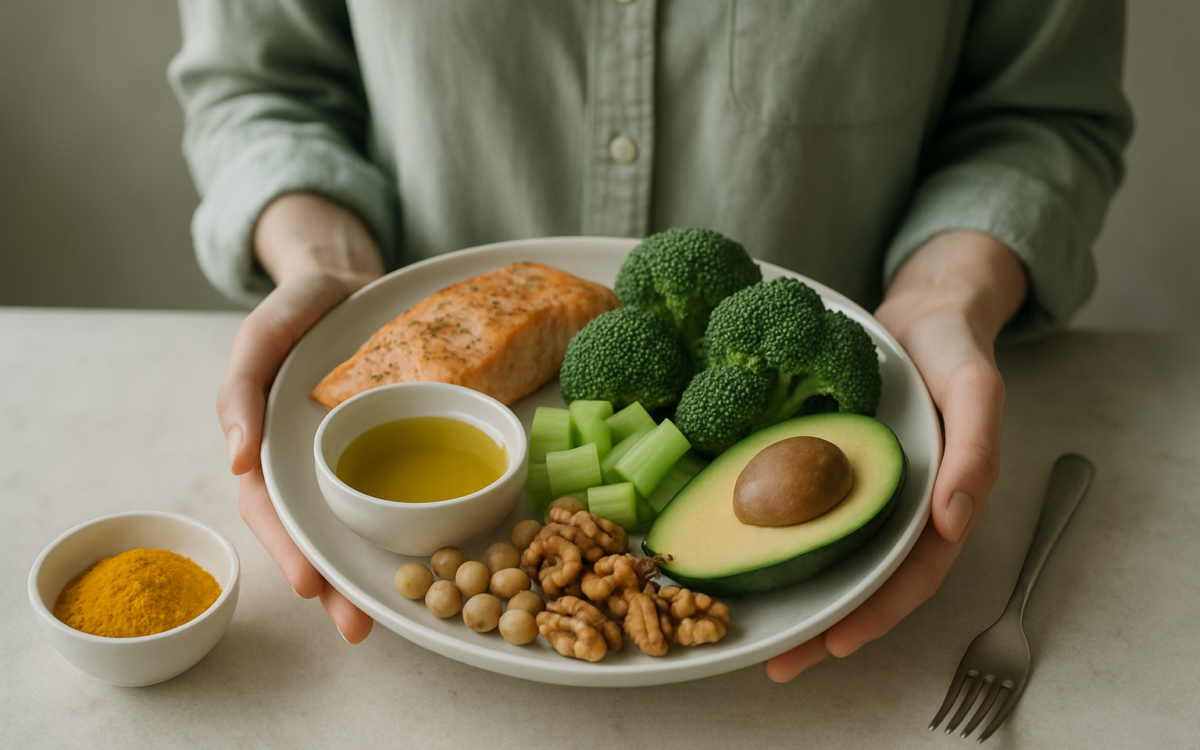
In our fast-paced world, many people endure chronic inflammation without realizing its impact on their health. This inflammation can lead to a host of problems, including heart disease, diabetes, and even certain cancers. Fortunately, the foods we eat can either contribute to or combat inflammation in our bodies. By embracing an anti-inflammatory diet, individuals may reap the benefits of improved health and wellness.
What is an Anti-Inflammatory Diet?
An anti-inflammatory diet is a dietary approach designed to reduce chronic inflammation through nutrient-rich foods. It emphasizes whole, minimally processed foods while limiting sugar, refined carbohydrates, and unhealthy fats. This diet is not a fad; it’s a lifestyle choice supported by scientific research aimed at promoting long-term health.
Foods to Include in Your Anti-Inflammatory Diet
To effectively manage inflammation, it’s essential to understand which foods are beneficial. Here are some categories of foods to focus on:
- Fruits and Vegetables: Rich in antioxidants, vitamins, and minerals, fruits and vegetables help combat oxidative stress. Berries, leafy greens, broccoli, and tomatoes are excellent choices.
- Healthy Fats: Incorporate sources of healthy fats, such as olive oil, avocados, nuts, and seeds. These fats can help lower inflammation levels.
- Whole Grains: Choose whole grains like brown rice, quinoa, and oats over refined grains. Whole grains are packed with fiber, which can benefit gut health.
- Fish: Fatty fish, like salmon, sardines, and mackerel, are rich in omega-3 fatty acids. Studies show that omega-3s can significantly reduce inflammation in the body (NIH).
- Herbs and Spices: Turmeric and ginger are powerful anti-inflammatory agents. Adding them to your meals can enhance flavor and health benefits.
Foods to Avoid
While it is important to prioritize anti-inflammatory foods, equally crucial is knowing what to limit or avoid. These include:
- Sugar: High sugar intake is linked to inflammation. Reducing added sugars in your diet can help minimize this risk.
- Processed Foods: Highly processed foods often contain unhealthy fats and additives that can trigger inflammatory responses.
- Refined Carbohydrates: White bread, pastries, and other refined grains can raise blood sugar levels and promote inflammation.
- Trans Fats: Found in certain margarines and fast foods, trans fats should be avoided as they have been shown to increase inflammation.
The Role of Lifestyle Changes
Along with dietary choices, other lifestyle factors contribute to managing inflammation. Regular physical activity, stress management, and adequate sleep can all play critical roles. Exercise has numerous health benefits, including reducing inflammation levels in the body. Aim for a mix of aerobic and strength-training activities, ideally engaging in physical activity for at least 150 minutes per week.
Stress management techniques, such as yoga, meditation, and deep breathing exercises, can also significantly impact inflammation. Chronic stress can lead to the production of inflammatory hormones. By employing strategies to reduce stress, you can help keep inflammation at bay.
Meal Planning Tips
Embarking on an anti-inflammatory diet is easier with a little planning. Here are a few actionable tips:
- Prep Ahead: Prepare meals in advance to avoid the temptation of fast food. Cook in bulk and store healthy options in your fridge or freezer.
- Shop Smart: When grocery shopping, stick to the perimeter of the store where fresh foods are typically located. Avoid aisles loaded with processed foods.
- Experiment: Incorporate new recipes and flavors into your meals. For example, try using quinoa as a base for salads or incorporating turmeric into soups and stews.
- Stay Hydrated: Drink plenty of water throughout the day. Herbal teas, especially those with anti-inflammatory properties like ginger and green tea, are good choices as well.
Incorporating an Anti-Inflammatory Diet into Your Life
Transitioning to an anti-inflammatory diet doesn’t have to be overwhelming. Start by gradually making changes to your eating habits. Instead of overhauling your diet overnight, introduce one or two healthy meals or snacks each week. This way, you’ll find it easier to adopt new habits without feeling deprived.
When to See a Doctor
If you suspect chronic inflammation could be affecting your health, or if you experience symptoms like prolonged fatigue, joint pain, or digestive issues, it may be time to speak with a healthcare professional. They can provide guidance, run tests, and work with you to develop a tailored plan suited to your needs.
Conclusion
Implementing an anti-inflammatory diet can significantly improve your overall health and well-being. By focusing on nutritious whole foods while avoiding those that trigger inflammation, you’re taking a step toward a healthier future. Remember, lifestyle changes take time and practice, so be patient with yourself as you explore this path to wellness. Always consult your doctor or a registered dietitian before making major dietary changes.
