
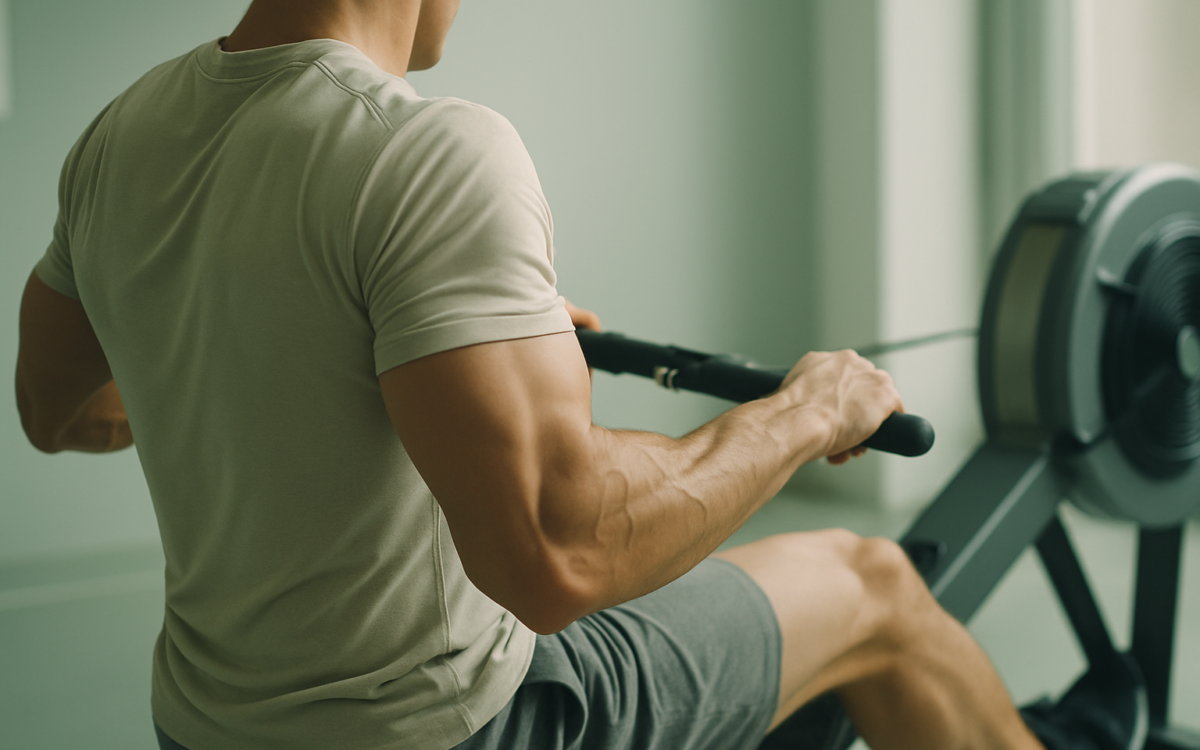
Rowing is more than just a leisurely activity on a lake; it’s a powerful workout that engages nearly every muscle group in your body. Whether you’re an experienced athlete or just starting your fitness journey, understanding which muscles are activated during rowing can help you make the most of your workout. Let’s dive into the anatomy of rowing and unveil the magic behind this full-body exercise.
The Core: The Foundation of Rowing Power
Your core muscles, which include the abdominal muscles, obliques, and lower back, play a crucial role during rowing. A strong core stabilizes your body as you pull the oars, allowing for efficient and powerful strokes. Engaging your core not only improves your rowing technique but also prevents injury and enhances performance. Studies show that a strong core can significantly improve athletic performance and reduce the risk of injuries ([NIH](https://www.ncbi.nlm.nih.gov/)).
The Upper Body: Arms, Shoulders, and Back
Rowing primarily targets the upper body through the following muscle groups:
- Latissimus Dorsi: Known as the lats, these large back muscles are heavily engaged during each row.
- Trapezius: Located in the upper back, the trapezius helps in pulling your arms back and stabilizing your shoulder blades.
- Deltoids: Your shoulder muscles work hard to lift and control the oars, giving you that upper body strength.
- Biceps and Triceps: These muscles are directly engaged when bending and extending your arms during strokes.
Research shows that rowing provides significant upper body engagement, proving effective for muscle toning and strength development ([Cleveland Clinic](https://my.clevelandclinic.org/)).
The Lower Body: Legs that Drive the Power
The legs are the powerhouse in rowing. They are responsible for driving the motion during each stroke:
- Quadriceps: Located at the front of your thighs, the quads extend your knees during the drive phase.
- Hamstrings: These muscles on the back of your thighs work to stabilize your legs during rowing.
- Glutes: Your buttocks engage during the push-off, providing power and stability.
- Calves: The calf muscles assist in the final push-off, contributing to the explosive power needed for each stroke.
Studies have shown that lower-body workouts can improve overall athletic performance and endurance ([Mayo Clinic](https://www.mayoclinic.org/)). The engagement of major leg muscles during rowing can enhance your fitness level and help tone your legs.
Cardiovascular Benefits of Rowing
Besides muscle engagement, rowing is an excellent cardiovascular workout. When you row at a moderate pace, your heart rate increases, which helps improve cardiovascular endurance. The continuous movement engages your heart and lungs, making it an efficient workout for burning calories and increasing aerobic capacity.
According to the World Health Organization, regular physical activity, including cardiovascular workouts like rowing, can help reduce the risk of chronic diseases such as heart disease, diabetes, and obesity ([WHO](https://www.who.int/)). Integrating rowing into your fitness routine can lead to long-term health benefits.
Rowing Technique for Maximum Muscle Engagement
To reap the full benefits of rowing, it’s important to focus on proper technique. Here are some tips to maximize muscle engagement:
- Maintain a strong core: Keep your core engaged throughout the stroke.
- Initiate with your legs: Use your legs to push off and generate power before pulling with your arms.
- Use full range of motion: Ensure that you extend and retract fully during each stroke.
- Maintain good posture: Keep your back straight and shoulders relaxed to prevent strain.
Getting the hang of proper rowing mechanics can enhance muscle activation and help you achieve a well-rounded workout.
Variations in Rowing Workouts
Rowing machines offer various workout options that can target specific muscle groups:
- Steady-state rowing: This involves maintaining a consistent pace for an extended period, working on endurance.
- Interval training: Alternating between high-intensity bursts and lower-intensity recovery periods allows you to engage different muscle fibers and improve stamina.
- Technique drills: Focusing on specific aspects of your stroke can lead to better muscle activation and overall efficiency.
Mixing up your workouts keeps things fresh and challenges your muscles in different ways.
When to See a Doctor
If you experience persistent pain or discomfort while rowing, it may be time to consult a healthcare professional. Signs that you should seek medical attention include:
- Sharp pain during exercise
- Swelling in joints or muscles
- Persistent fatigue
- Changes in coordination or balance
Listening to your body is crucial. A healthcare provider can evaluate your symptoms and provide guidance tailored to your needs.
Overall, rowing is an incredibly effective full-body workout that engages major muscle groups while providing cardiovascular benefits. Whether you’re aiming for muscle strength, endurance, or overall fitness, this engaging sport has something for everyone. So grab an oar, hit the rowing machine, and paddle your way to better health!
