
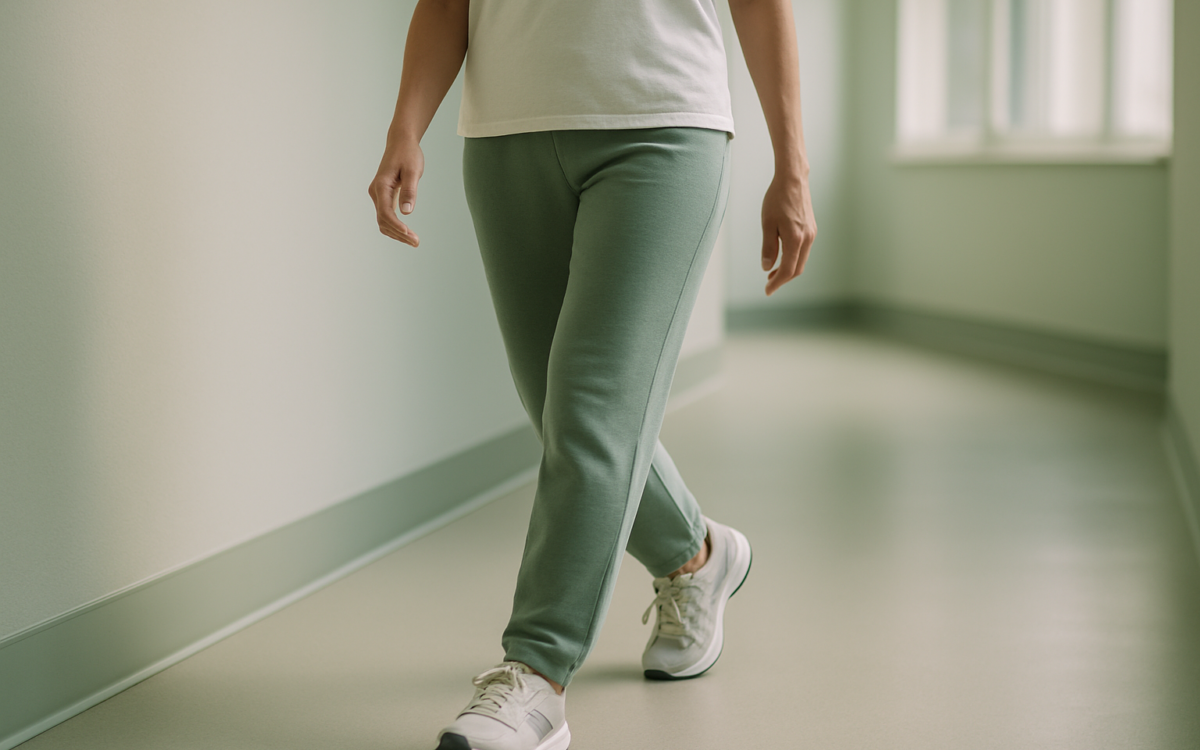
Walking is one of the simplest and most enjoyable forms of exercise. Just 30 minutes a day can bring numerous health benefits that can enhance your quality of life. Whether you’re looking to boost your mood, improve your heart health, or manage your weight, incorporating a daily walking routine could be the answer.
Heart Health: A Stronger Pump
Walking is excellent for your cardiovascular system. Engaging in this moderate form of exercise helps to strengthen your heart, lower your blood pressure, and improve circulation. The American Heart Association suggests that regular walking can significantly reduce your risk of heart disease. Just half an hour of brisk walking each day can cut your risk of stroke and heart attack by nearly 30% to 40%.
Mental Well-Being: A Natural Mood Booster
In today’s fast-paced world, mental well-being is just as crucial as physical health. Studies show that walking can help decrease symptoms of anxiety and depression. Engaging in a daily 30-minute walk can lead to increased production of endorphins—our body’s natural mood lifters. Moreover, spending time outdoors boosts serotonin levels, especially when surrounded by nature. According to the Mayo Clinic, a simple stroll can improve your overall mental health and cognitive function.
Weight Management: Keep the Pounds at Bay
For many, weight loss is a significant goal, and walking can help achieve it without the need for intense workouts. Walking at a moderate pace can burn about 150 calories in 30 minutes, depending on your weight and speed. Regular walks can create a calorie deficit, aiding in weight loss or weight management. This can also improve your metabolism, which becomes crucial as we age. Moreover, walking promotes muscle toning, particularly in the legs and core, enhancing your body’s overall composition.
Enhanced Flexibility and Mobility: Move Freely
Consistent walking increases your flexibility and mobility. It helps to loosen stiff joints and strengthen muscles and ligaments. This is particularly important for older adults, as maintaining mobility is vital for overall health and independence. Stretching before and after walks can maximize these benefits, keeping your body agile and pain-free. Furthermore, moderate exercise like walking can help reduce the risk of falls in older adults by improving balance.
Social Connections: Walking Together
Walking can also be an excellent way to build or strengthen friendships and bonds. Consider forming a walking group with friends or family. Not only will you reap the health benefits together, but you’ll also enjoy social interactions that can uplift your spirit. Community walking events, like charity walks, can bring people together for a shared purpose and promote a sense of belonging.
Creating a Sustainable Habit
Incorporating 30 minutes of walking into your daily routine doesn’t have to be complicated. Start by identifying times when you can fit in a walk—perhaps during your lunch break, after dinner, or in the morning before work. Here are some simple tips to help you get started:
- Set realistic goals: Aim for 5-10 minutes initially, then gradually increase to 30 minutes.
- Track your walks: Using a pedometer or smartphone app can keep you motivated.
- Mix it up: Change your walking route, try different terrains, or explore nearby parks to keep things fresh.
- Find a buddy: Walking with a friend makes the experience more enjoyable and holds you accountable.
When to See a Doctor
While walking is generally safe for most people, certain health conditions may require medical advice before starting a new exercise routine. If you experience unusual pain, dizziness, or shortness of breath during or after walking, consult a doctor. Additionally, individuals with chronic health conditions should discuss their exercise plans, particularly if they are new to physical activity.
In conclusion, walking for just 30 minutes a day offers a range of physical and mental health benefits. Not only does it improve heart health, enhance mood, and support weight management, but it also promotes stronger social connections and mobility. By adopting this simple, low-impact activity into your daily routine, you can transform your health and well-being.
