
When asked about the largest organ in the human body, many people might not know the answer right away. But once you consider it, the truth is clear: the skin takes the crown. This amazing organ is far more than just a protective layer; it plays essential roles in our overall health and wellbeing. Let’s dive deeper into understanding the skin, its functions, and why it’s so important to care for it.
The Importance of Skin
The skin is the largest organ we have, covering an average of around 18 square feet in adults. It serves as a barrier between our internal organs and the outside environment. This protective role is crucial because it helps prevent pathogens and harmful substances from entering our bodies. In addition to protection, the skin plays several other vital roles:
- Temperature Regulation: The skin helps maintain body temperature. When you heat up, it produces sweat that evaporates and cools you down.
- Sensation: The skin is packed with nerve endings that allow us to feel sensations such as touch, pain, and temperature.
- Vitamin D Production: When exposed to sunlight, the skin synthesizes vitamin D, which is important for bone health and immune function.
- Protection from UV Radiation: Melanin, the pigment that gives skin its color, helps protect against damage from the sun’s harmful rays.
The Layers of Skin
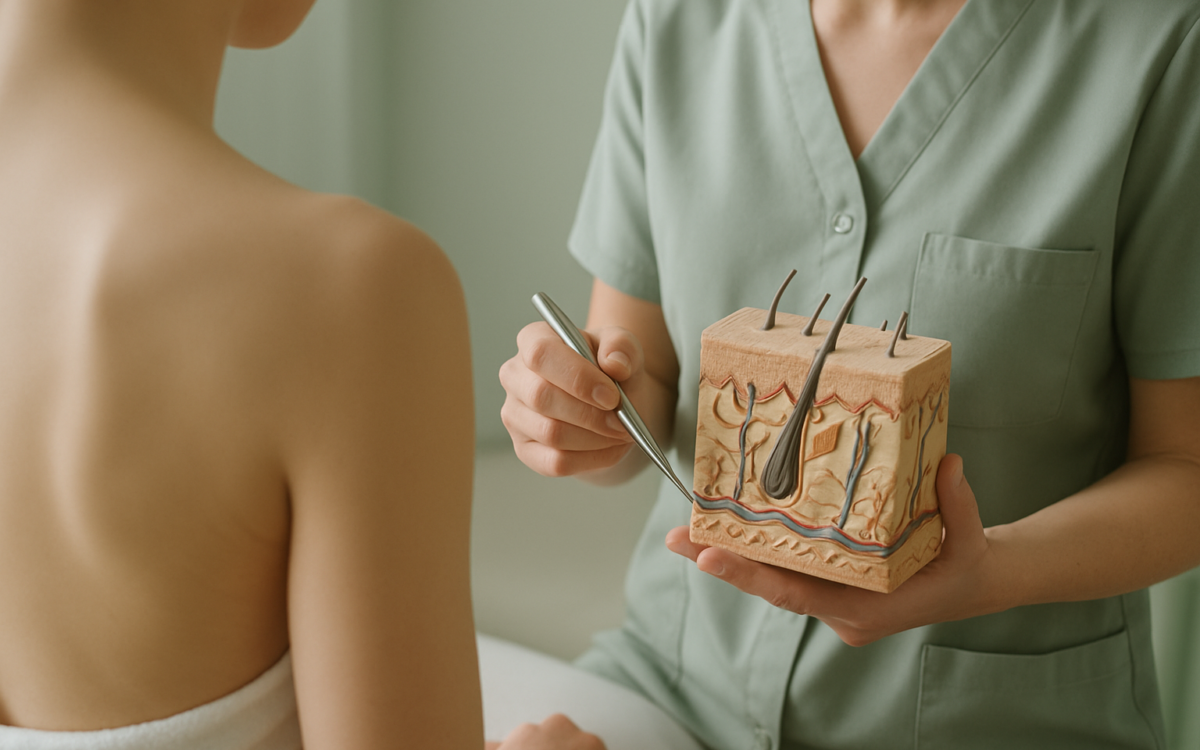
The skin is composed of three main layers, each serving different functions:
- epidermis: This is the outermost layer, which provides a waterproof barrier and protects the underlying tissues. This layer contains cells called keratinocytes, which produce keratin, a protein that strengthens the skin.
- Dermis: Beneath the epidermis lies the dermis, which contains connective tissue, hair follicles, and sweat glands. This layer is responsible for feeling sensations and regulating temperature.
- Hypodermis: The deepest layer is the hypodermis, which is composed of fat and connective tissue. It helps insulate the body and absorb shocks.
Understanding these layers can provide insights into common skin issues, such as acne, eczema, and aging.
Common Skin Conditions
Despite being resilient, our skin can encounter various problems. Here are some of the most common skin conditions:
- Acne: Caused by blocked pores, acne affects many people, especially during their teenage years. It can lead to both physical and emotional stress.
- Psoriasis: This is a chronic autoimmune condition that leads to the rapid growth of skin cells, resulting in scaly patches.
- Eczema: Often appearing in childhood, eczema is characterized by red, itchy patches of skin that can become inflamed.
- Skin Cancer: UV exposure can lead to skin cancer, the most common type of cancer in the United States. Regular skin checks are essential for early detection.
Healthy Skin: Tips and Care
Taking good care of your skin can promote its health and vitality. Here are some practical tips:
- Hydration: Drink plenty of water to keep your skin hydrated from the inside out.
- Sun Protection: Always use sunscreen when heading outdoors, even on cloudy days. Look for broad-spectrum protection with at least SPF 30.
- Moisturizing: Apply a moisturizer suitable for your skin type. This helps to prevent dryness and maintain the skin barrier.
- Healthy Diet: Eating a balanced diet rich in vitamins and antioxidants can support skin health. Foods like fruits, vegetables, and fatty fish are excellent choices.
- Regular Check-ups: Visiting a dermatologist for regular skin checks can help identify any changes early on.
Implementing these habits can enhance the overall health and appearance of your skin.
Debunking Myths About Skin
There are numerous myths and misconceptions about skin that can lead to improper care. Here are a few that need addressing:
- Oily Skin Doesn’t Need Moisturizer: Everyone needs a moisturizer! Even oily skin can become dehydrated, so it’s important to choose appropriate products.
- Chocolate Causes Acne: While diet can influence your skin, chocolate by itself isn’t a direct culprit for acne.
- Wearing Makeup Causes Breakouts: Quality makeup that’s non-comedogenic is formulated to not clog pores. Proper removal at the end of the day is key.
Understanding the truth about skin care can help people make better choices and avoid unnecessary stress.
When to See a Doctor
If you experience any sudden changes in your skin, such as new growths, changes in moles, persistent itchiness, or rashes that do not go away, it’s a good idea to consult a healthcare professional. Dermatologists can provide specialized care for a range of skin conditions and can help keep your skin healthy.
In conclusion, the skin serves as the largest organ in the human body, playing critical roles in protection, sensation, and overall health. By understanding its functions and taking steps to care for it, we can enhance not just the appearance of our skin but our overall well-being. Remember, glowing skin is a reflection of good health, so treat it with the care it deserves!
