
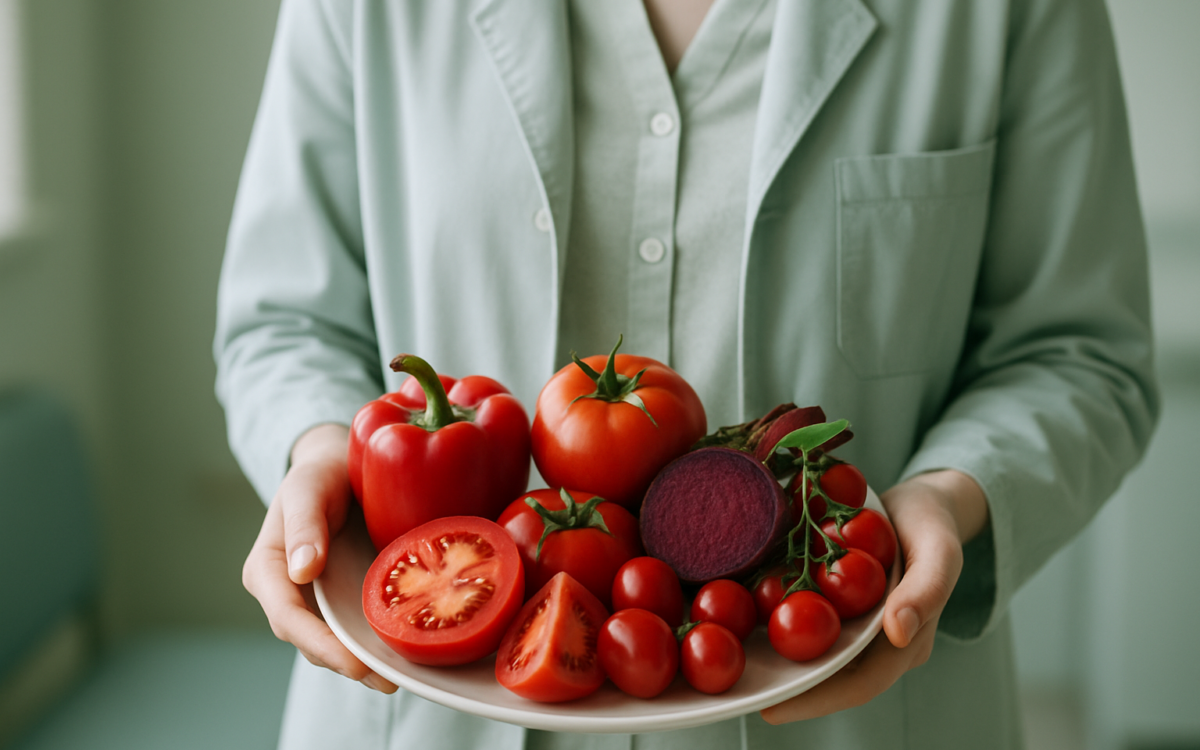
Red vegetables are more than just a feast for your eyes; they pack a powerful punch when it comes to nutrition and health benefits. From vibrant tomatoes to crunchy red bell peppers, adding these colorful foods to your diet can enhance your overall well-being. In this article, we’ll delve into the amazing advantages of red vegetables, how to incorporate them into your meals, and some tips for those considering international treatment options for nutritional guidance.
Why Eat Red Vegetables?
Red vegetables aren’t just visually appealing—they are also packed with essential vitamins, minerals, and antioxidants. The bright color of these foods often indicates a high concentration of beneficial compounds. For instance:
- Lycopene: Found abundantly in tomatoes and watermelon, lycopene is a powerful antioxidant that has been linked to reduced risks of certain cancers, particularly prostate cancer, and heart disease.
- Anthocyanins: These antioxidants, present in red cabbage and red peppers, are known to promote heart health and may help reduce inflammation in the body.
- Vitamin C: Many red vegetables, like red bell peppers, are fortified with vitamin C, which boosts the immune system, aids in maintaining healthy skin, and assists in collagen formation.
Top Red Vegetables to Include in Your Diet
Here are some delicious red vegetables that you can easily incorporate into your meals:
- Tomatoes: From salads to sauces, tomatoes are versatile and can be consumed fresh or cooked. Both forms offer health benefits.
- Red Bell Peppers: They can be eaten raw, roasted, or grilled, adding a sweet, crunchy element to salads, stir-fries, or sandwiches.
- Radishes: These spicy root vegetables can add crunch to salads and are high in vitamin C, making them a great addition to your meals.
- Beets: Rich in nutrients, beets can be roasted, pickled, or blended into smoothies, providing a healthy boost of vitamins.
How to Incorporate Red Vegetables into Your Meals
Integrating red vegetables into your diet can be simple and enjoyable. Here are a few tips:
- Salads: Create vibrant salads loaded with red veggies. Combine tomatoes, radishes, and red bell peppers for a crunchy treat.
- Smoothies: Pair beetroot with berries in a smoothie for a nutrient-rich breakfast or snack.
- Roasted Dishes: Roasting red vegetables can enhance their flavors. Try roasting red peppers and beets with olive oil, salt, and herbs.
- Sauces and Dips: Use red vegetables as a base for sauces. Blended roasted red bell peppers can make a great dip for parties.
If you’re considering treatments that focus on nutrition, organizations like international patient services can help connect you with specialists who understand the importance of diet in treatment plans.
Health Benefits of Veg Red
In addition to individual nutrients, consuming a variety of red vegetables can offer numerous health benefits, including:
- Heart Health: The antioxidants found in red vegetables may help protect against heart disease by reducing harmful cholesterol levels and improving blood flow.
- Weight Management: Low in calories but high in fiber, red vegetables can help keep you full longer, aiding in healthy weight maintenance.
- Improved Vision: Some red vegetables, such as red bell peppers, also support eye health thanks to their vitamin C and beta-carotene content.
Creative Ways to Enjoy Red Veggies
The possibilities are endless when it comes to enjoying red vegetables. Here are some creative ideas:
- Stuffed Peppers: Fill red bell peppers with quinoa, beans, and spices for a nutritious and colorful meal.
- Beet Carpaccio: Thinly slice beets and serve with feta cheese, arugula, and a drizzle of balsamic vinegar for a gourmet appetizer.
- Homemade Salsa: Combine diced tomatoes, red onions, cilantro, and lime for a fresh salsa that pairs perfectly with tortilla chips.
When to See a Doctor
While eating red vegetables is generally safe and beneficial, certain conditions may require medical advice. You should consult a doctor if:
- You have food allergies or intolerances.
- You experience digestive issues after consuming certain vegetables.
- You seek personalized dietary guidance, especially if managing a health condition.
Conclusion
Incorporating red vegetables into your daily diet can enhance your health in various ways. With their stunning colors, delicious flavors, and impressive nutritional profiles, red veggies are a fantastic addition to any meal plan. Explore different recipes, get creative in the kitchen, and enjoy the health benefits they have to offer. Remember, always consult your healthcare provider for personalized dietary recommendations.
