
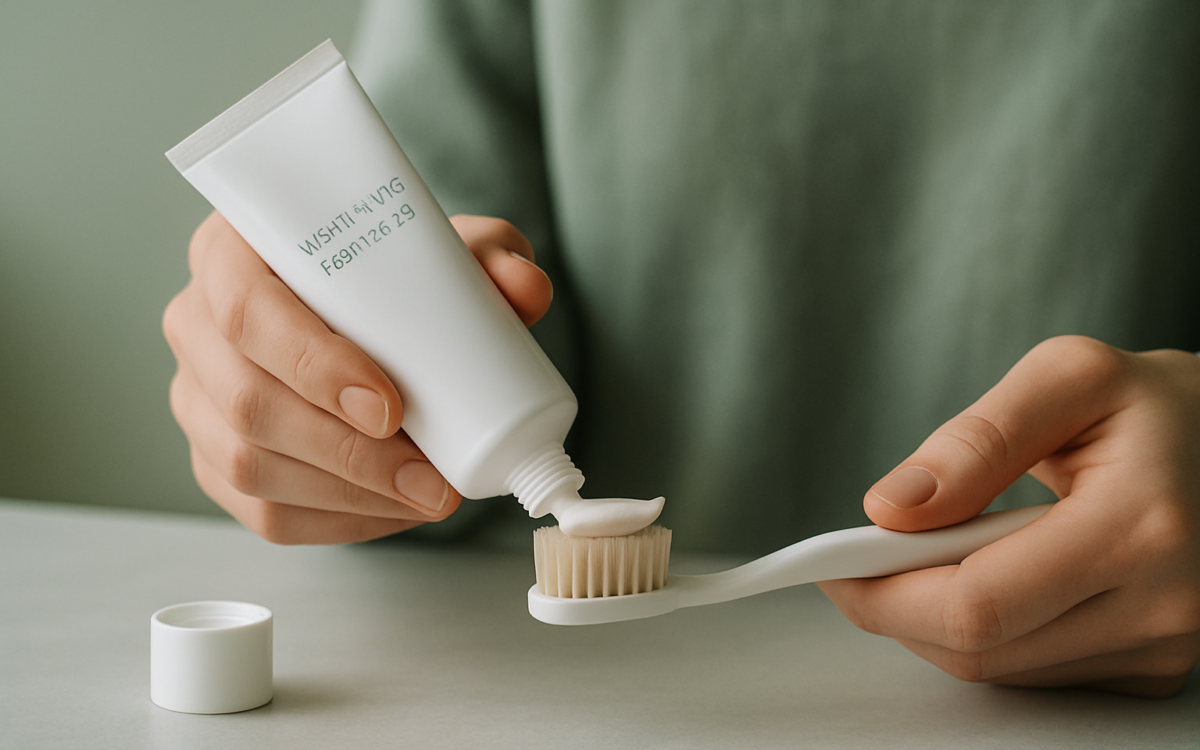
Whitening toothpaste is a favorite among many looking to enhance their smiles. With promises of brighter teeth and a more confident smile, it’s no wonder that these products have gained immense popularity. But how effective are they really? Do they pose any risks to your dental health? In this article, we will uncover the science behind whitening toothpaste and provide you with the information you need to make an informed decision.
What Is Whitening Toothpaste?
Whitening toothpaste is specially formulated to help remove stains and lighten the color of your teeth. These toothpastes generally contain mild abrasives that scrub away surface stains, as well as chemical agents like hydrogen peroxide or carbamide peroxide that can penetrate the enamel to lift deeper stains. In contrast to professional whitening treatments, whitening toothpaste is accessible and convenient, allowing users to incorporate it into their daily oral hygiene routine.
How Does It Work?
The effectiveness of whitening toothpaste largely depends on its ingredients. Let’s break down how the main components work:
- Abrasives: Ingredients like silica or calcium carbonate help physically polish your teeth by removing surface stains from common culprits, such as coffee, tea, and red wine.
- Chemical agents: Whitening agents like hydrogen peroxide can lighten the teeth by breaking down colored compounds that are deep within the enamel.
However, it’s essential to understand that whitening toothpaste is primarily designed for surface stains and may not have the same effect on discoloration caused by genetics or certain medications.
The Pros and Cons of Whitening Toothpaste
As with any dental product, whitening toothpaste comes with its set of advantages and drawbacks:
Pros
- Convenience: Easily available over-the-counter from various brands.
- Cost-effective: Generally less expensive than professional whitening treatments.
- Daily use: Can be incorporated into your regular brushing routine.
Cons
- Limited results: May not produce noticeable whitening effects for everyone.
- Enamel erosion: Some toothpaste may be too abrasive, which can wear down enamel over time.
- Gum irritation: Some individuals may experience sensitivity or irritation from the chemical agents used in these products.
Are There Risks Involved?
While whitening toothpaste is considered safe for most people, there are some risks to be aware of:
- Tooth Sensitivity: Ingredients such as peroxide can sometimes lead to increased tooth sensitivity. If you experience discomfort, it’s best to consult your dentist.
- Enamel Damage: Overuse of highly abrasive toothpaste can damage your enamel, leading to more significant dental issues in the future. It’s crucial to follow usage instructions and consult your dentist for recommendations.
- Allergic Reactions: In rare cases, some individuals may have allergic reactions to certain ingredients. Always check the ingredient list if you have known allergies.
For optimal safety and effectiveness, the American Dental Association (ADA) recommends looking for toothpaste with the ADA Seal of Acceptance. This seal indicates the product has been rigorously tested for safety and effectiveness.
Choosing the Right Whitening Toothpaste
With many options available, how do you choose the best whitening toothpaste for your needs? Here are some tips:
- Look for the ADA Seal: This ensures you are using a clinically researched and safe product.
- Check the ingredients: Be aware of any chemicals you might be sensitive to, and look for low-abrasive formulas.
- Read consumer reviews: Look for feedback from others like you who may have similar dental concerns.
- Consult with your dentist: Your dentist can provide tailored recommendations based on your dental history.
Good Oral Hygiene Practices
Using whitening toothpaste should complement an overall dental hygiene routine. Here are some additional practices to consider:
- Brush twice a day: Use whitening toothpaste as part of your regular brushing routine for best results.
- Floss daily: Flossing removes plaque and food particles from between your teeth, contributing to overall dental health.
- Regular dental check-ups: Visit your dentist at least twice a year for cleanings and examinations to maintain oral health.
- Limit stain-causing foods and beverages: Cutting back on items like coffee, tea, and red wine can help maintain your achieved whitening.
When to See a Doctor
If you experience severe tooth sensitivity, persistent gum irritation, or any other unusual symptoms after using whitening toothpaste, it’s essential to consult your dentist. They can recommend alternative products or treatments that are better suited for your needs.
Conclusion
Whitening toothpaste can be a valuable addition to your dental care arsenal, offering a convenient way to help brighten your smile. However, it’s vital to understand that results can vary, and potential risks should not be overlooked. Always prioritize good oral hygiene practices and consult your dentist if you have questions or concerns. With the right approach, you can enjoy a brighter smile while maintaining your overall dental health.
