
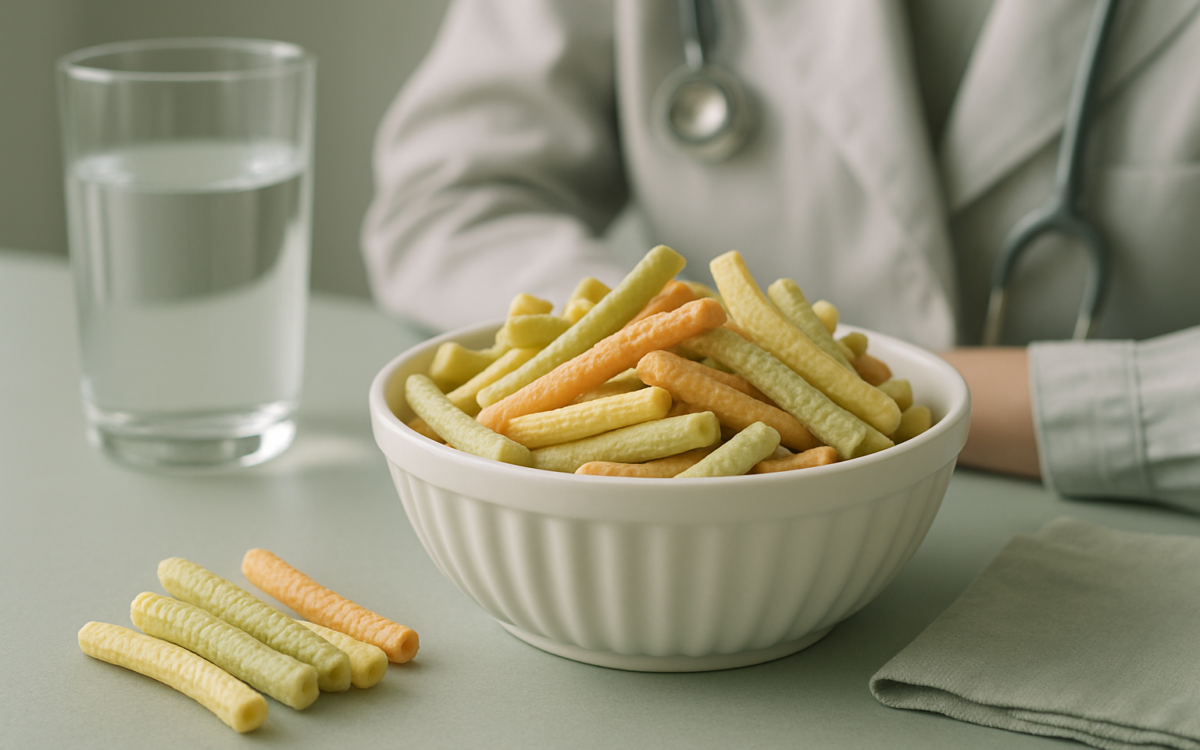
In the realm of healthy snacking, veggie straws have emerged as a popular choice among both kids and adults. They provide a crunchy alternative to traditional chips and promise a burst of vegetable flavor. But do they live up to the health claims? In this article, we’ll explore the nutritional value of veggie straws, their ingredients, and whether they can genuinely fit into a balanced diet.
What are veggie straws?
Veggie straws are snack products made primarily from vegetable powders and starches. These straws typically come in various colors, reflecting the vegetables they aim to represent, such as spinach, tomato, and beet. The manufacturing process involves blending these vegetable powders with starch and oil, followed by frying or baking to create the crunchy texture that appeals to so many snack lovers.
Nutritional overview of veggie straws
Veggie straws can sometimes be marketed as a healthier alternative to traditional potato chips. However, it’s essential to take a closer look at their nutritional content:
- Calories: Veggie straws typically have a similar calorie count to potato chips, meaning they are not necessarily a lower-calorie option.
- Sodium: Many brands add salt, which can lead to a high sodium content. Excess sodium intake can contribute to health issues, including hypertension.
- Fiber: While they may contain vegetable powders, the fiber content in veggie straws is often much lower than whole vegetables. Many of the beneficial nutrients found in fresh vegetables are diminished during processing.
- Vitamins and minerals: The vitamins and minerals in veggie straws are limited compared to fresh vegetables. Most of the nutrients found in whole vegetables cannot survive the processing methods used in manufacturing.
Are veggie straws a healthy choice?
While veggie straws can be a fun, colorful snack, it’s essential to compare them to whole vegetables. Fresh vegetables provide not only fiber but also a wider range of essential nutrients, while the processing of veggie straws often strips away many of these benefits. Therefore, although veggie straws may satisfy snack cravings, they should not be relied upon as a primary source of vegetables in your diet.
How to incorporate veggie straws into a balanced diet
If you enjoy the taste and texture of veggie straws, there are ways to include them in a balanced diet:
- Mind your portions: Enjoy veggie straws in moderation, and pair them with nutrient-dense options like hummus, guacamole, or salsa to boost the nutritional content of your snack.
- Mix with whole foods: Combine veggie straws with unsalted nuts or whole-grain crackers for added nutrients and a more satisfying snack.
- Use as a treat: Instead of making veggie straws a staple, consider them an occasional treat. This approach will allow you to enjoy their crunch without compromising your nutritional goals.
Exploring alternatives: healthier snack options
If you’re looking for snacks that offer more nutritional benefits, consider these alternatives:
- Fresh vegetables: Baby carrots, bell peppers, and cucumber slices are crunchy, hydrating, and packed with fiber.
- Air-popped popcorn: Popcorn is a whole grain and can be a satisfying snack if prepared without excessive butter or salt.
- Homemade veggie chips: Baking your chips is an excellent way to control the ingredients and ensure you’re getting a healthier snack. Simply slice vegetables thinly, season them, and bake until crispy.
When to see a doctor
If you find yourself having frequent cravings for salty or processed snacks, or if you’re concerned about your overall dietary choices, speaking with a healthcare provider or nutritionist can help. They can assist in evaluating your diet and suggest healthier modifications for long-term wellness. Additionally, if you experience any adverse reactions after consuming processed snacks, it may be wise to consult a medical professional.
Conclusion
Veggie straws can be a fun and convenient snack option, but they shouldn’t replace more nutritious choices like fresh vegetables in your diet. Enjoy them in moderation alongside healthier snacks, and be mindful of your overall dietary habits. As with any food, it’s essential to remember that balance is key to maintaining good health.
For more information on nutrition and dietary choices, you can visit reputable sources like the National Heart, Lung, and Blood Institute or the Centers for Disease Control and Prevention.
