
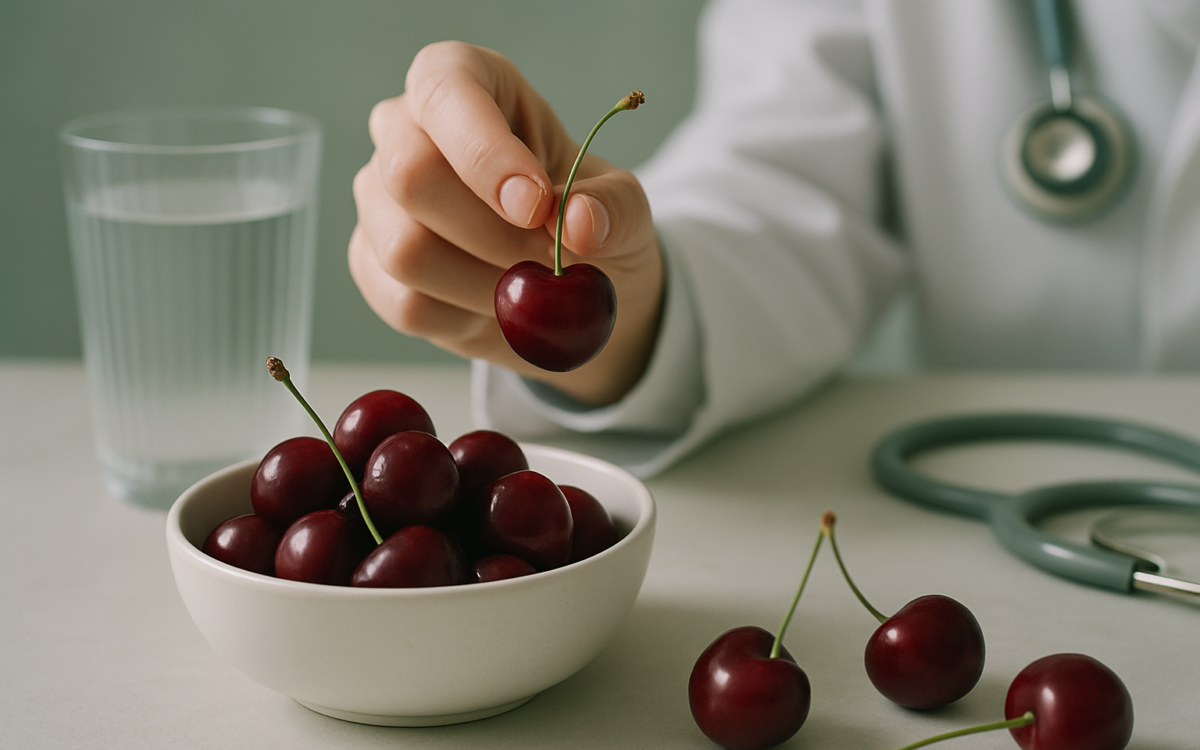
Cherries are not only a delightful treat but also a powerhouse of nutrition. With their vibrant color and sweet, tart flavor, these small fruits have captured the hearts—and stomachs—of many. But are cherries good for you? The answer is a resounding yes! Not only do they add deliciousness to your meals, but they also contribute several health benefits that can enhance your overall well-being.
Nutritional Overview of Cherries
Cherries are low in calories yet packed with essential nutrients. A one-cup serving of fresh cherries contains about:
- 97 calories
- 25 grams of carbohydrates
- 2 grams of dietary fiber
- 1 gram of protein
- 0.3 grams of fat
They are a rich source of vitamins C and A, potassium, and several antioxidants, all of which play essential roles in health. Vitamin C supports your immune system and aids in collagen production, while potassium is vital for maintaining normal blood pressure.
Loaded with Antioxidants
Cherries are abundant in antioxidants, particularly phenolic compounds, which help combat oxidative stress in the body. Oxidative stress occurs when there is an imbalance between free radicals and antioxidants in your body, potentially leading to various chronic diseases.
Research has shown that the antioxidants found in cherries, such as anthocyanins and cyanidin, can help reduce inflammation and protect cells from damage. According to a study published by the National Institutes of Health, these antioxidants may play a significant role in preventing chronic diseases such as heart disease and certain cancers.
Cherries and Heart Health
Keeping your heart healthy is crucial, and cherries can be a tasty ally in this regard. The antioxidants in cherries help lower bad cholesterol (LDL) levels and maintain good cholesterol (HDL) levels, which are pivotal for cardiovascular health.
Furthermore, studies indicate that cherries can help reduce inflammation in blood vessels, which can lead to improved heart function. According to research published in the Mayo Clinic, incorporating cherries into your diet may support a healthy heart and lower the risk of cardiovascular disease.
Potential Benefits for Joint and Muscle Pain
If you suffer from arthritis or muscle soreness, cherries may offer some relief. The anti-inflammatory properties of cherries can help mitigate pain associated with these conditions. Studies suggest that consuming tart cherries or cherry juice can significantly lessen pain or discomfort after strenuous exercise, making them a favorite among athletes.
A study highlighted in the National Institutes of Health found that tart cherry juice reduced the symptoms of gout attacks due to its ability to lower uric acid levels in the body. This makes cherries a potentially useful fruit for those prone to such conditions.
Can Cherries Improve Sleep Quality?
Getting enough quality sleep is vital for your overall health, and cherries might help you achieve this. They naturally contain melatonin, a hormone that regulates sleep-wake cycles. Some small studies suggest that consuming cherry juice might improve sleep duration and quality, especially in older adults.
This benefit stems from the naturally occurring melatonin in cherries, which could assist those struggling with insomnia or irregular sleep patterns. For best results, consider incorporating cherries or cherry juice into your evening routine.
How to Incorporate Cherries into Your Diet
Adding cherries to your diet is simple and enjoyable. Here are a few ways you can enjoy this nutritious fruit:
- Add fresh cherries to your morning oatmeal or yogurt.
- Blend cherries into smoothies for a refreshing beverage.
- Use cherries in salads for a burst of flavor.
- Make a homemade cherry sauce to top meats or desserts.
- Snack on dried cherries or add them to trail mix for an on-the-go treat.
Being versatile and easy to incorporate into meals, cherries can fit seamlessly into a balanced diet.
When to See a Doctor
If you experience persistent pain, swelling, or other concerning symptoms related to inflammation or your digestive health, it may be wise to consult a healthcare provider. Additionally, people with certain medical conditions, like gout, should discuss their cherry intake with their physician to avoid potential complications.
While cherries bring many potential health benefits, individual dietary needs and health conditions vary, so it’s always good to seek personalized advice.
In conclusion, cherries are not only tasty but also offer a range of health benefits that can boost your well-being. From supporting heart health to improving sleep and reducing inflammation, adding cherries to your diet can be a sweet decision. Remember to enjoy them in moderation as a part of a varied and balanced diet for the best results.
