
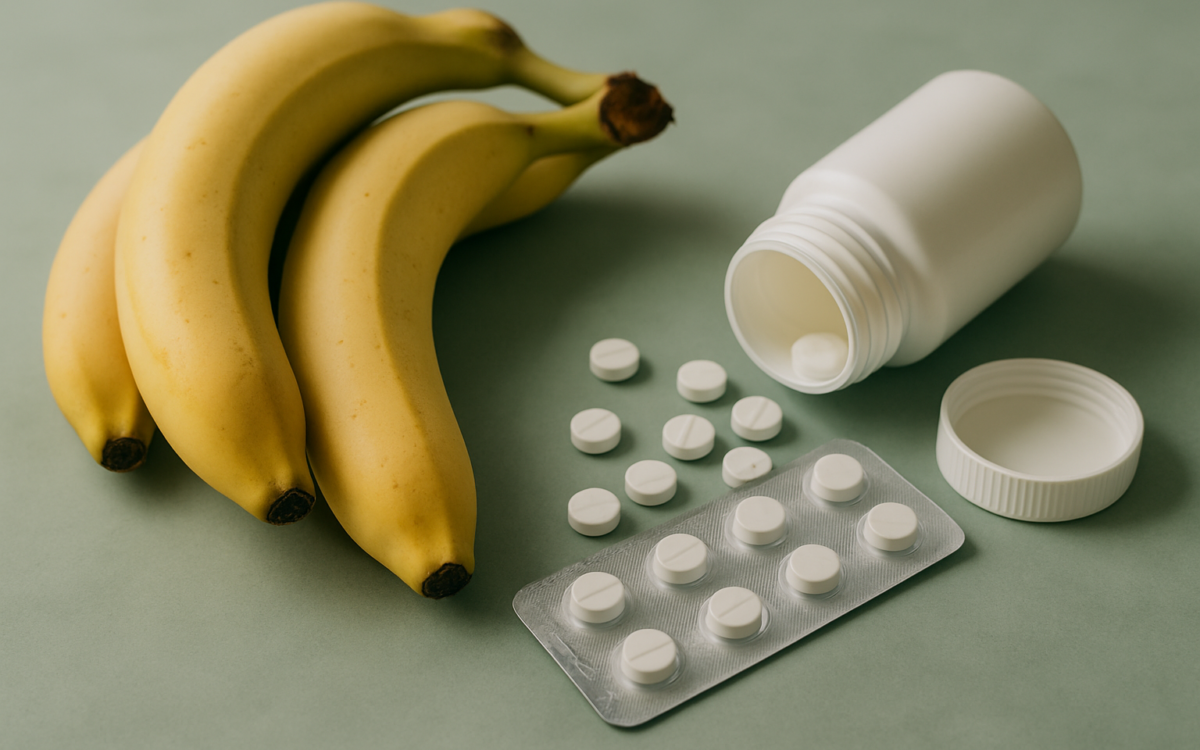
Bananas are one of the world’s most popular fruits, loved for their sweet flavor and convenience. Packed with nutrients, especially potassium, they are often recognized as a healthy choice for various diets. If you take amlodipine, a medication often prescribed for high blood pressure, you might wonder about the relationship between this fruit and your medication.
The Role of Amlodipine
Amlodipine is a calcium channel blocker commonly used to manage hypertension (high blood pressure) and angina (chest pain). It works by relaxing the blood vessels, making it easier for blood to flow. This helps lower blood pressure, reducing the risk of heart-related issues such as heart attacks and strokes. According to the National Heart, Lung, and Blood Institute, maintaining a healthy blood pressure is crucial for overall heart health.
Nutrition and Blood Pressure
The food we eat plays a significant role in managing blood pressure. Diets rich in fruits, vegetables, whole grains, and lean proteins are often recommended by healthcare providers. Foods high in potassium, like bananas, can be particularly beneficial. Potassium helps to balance out sodium levels in the body, which is important because high sodium intake can lead to high blood pressure.
Bananas: Nutritional Powerhouses
Bananas are not just tasty; they are nutritious. A medium banana contains about 422 milligrams of potassium, which is about 12% of the daily recommended intake for adults. This mineral is vital for numerous body functions, including maintaining proper heart and muscle function, and helping to regulate blood pressure levels. This is particularly pertinent for individuals managing hypertension.
Bananas and Amlodipine: Any Concerns?
While bananas are a healthy food choice, people taking amlodipine often wonder about any potential interactions. Currently, there is no significant evidence to suggest that bananas negatively affect the efficacy of amlodipine. However, it’s essential to keep in mind that, in general, medication effects can vary from person to person. Your overall diet, lifestyle, and any other medications you’re taking can influence how amlodipine works for you.
Potassium is essential, but some people may need to monitor their intake, especially those with certain kidney conditions. High potassium levels can lead to complications, particularly in people who are on medications that also affect potassium levels. Individuals taking certain drugs, including some diuretics, may want to discuss their potassium intake with their healthcare provider.
Healthy Eating With Amlodipine
If you take amlodipine, consider the following balanced eating strategies to support your health:
- Incorporate a variety of fruits and vegetables: Aim for a colorful plate to ensure you are getting a range of nutrients.
- Limit processed foods: Many processed foods contain high levels of sodium, which can counteract the benefits of medications like amlodipine.
- Stay hydrated: Drink plenty of water to help support your overall health and well-being.
- Consult a dietitian: If you’re unsure about your dietary needs, especially while on medication, seeking professional guidance can be very helpful.
Monitoring Your Health
Even though bananas are generally safe and beneficial, it’s essential to monitor your overall health when taking any medication. Your healthcare provider may periodically check your blood pressure and adjust your medications as needed. Keeping regular appointments and reporting any unusual symptoms can help ensure that your treatment remains effective.
When to See a Doctor
If you have concerns about your diet, including your intake of bananas or any other foods while taking amlodipine, it’s vital to consult your healthcare provider. Additionally, discuss any unusual side effects or symptoms you may experience. Some signs that warrant immediate medical attention include:
- Severe changes in blood pressure
- High potassium levels (symptoms may include irregular heartbeat, weakness, or fatigue)
- Unexplained symptoms, such as dizziness or swelling
Conclusion
Bananas can be a safe and nutritious addition to your diet while taking amlodipine, supporting your heart health through essential nutrients. Yet, individual reactions to food and medication can vary, so it’s important to stay informed and consult with your healthcare professional regarding any dietary changes. By maintaining a balanced diet and monitoring your health, you can effectively manage your blood pressure and enjoy the benefits of foods like bananas.
