
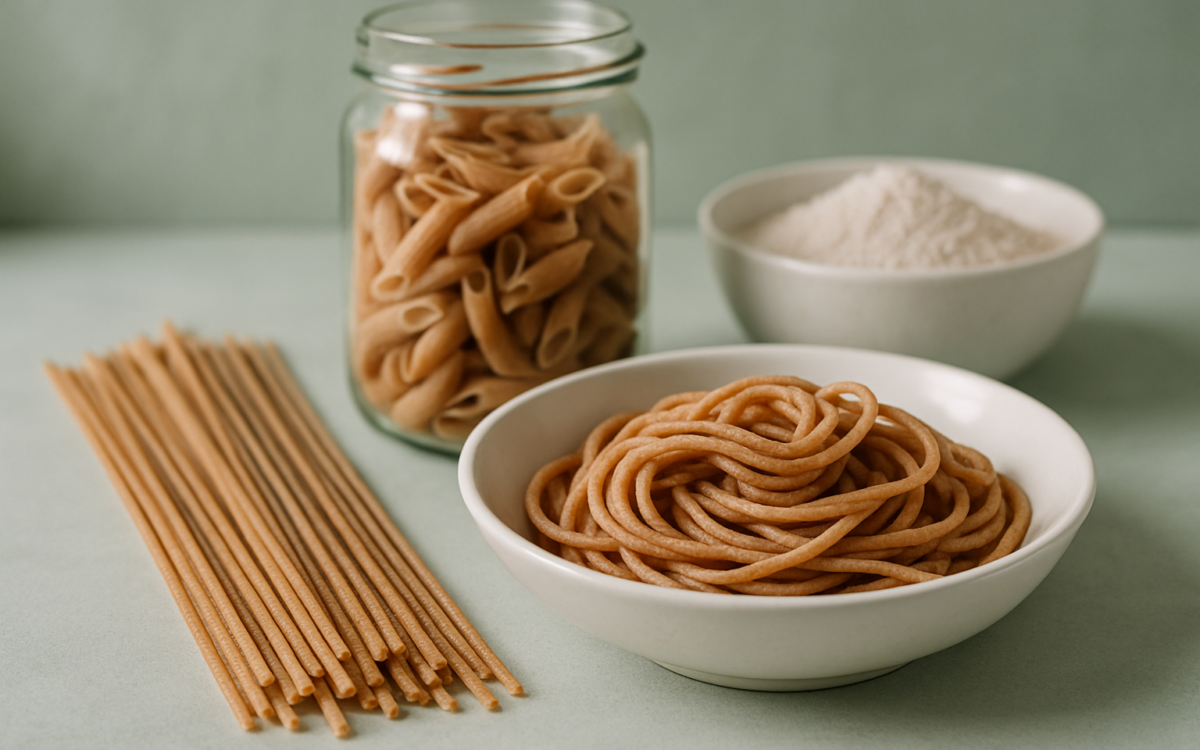
When it comes to pasta, many people love its comforting texture and versatility. However, with increasing awareness about nutrition, whole wheat pasta has emerged as a popular alternative to traditional pasta. But what makes it a better choice? Let’s dive into the benefits of whole wheat pasta, explore its nutritional profile, and discover how to incorporate it into your meals.
The Nutritional Profile of Whole Wheat Pasta
Whole wheat pasta is made from the entire wheat kernel, which includes the bran, germ, and endosperm. This means it retains more nutrients compared to white pasta, which is made from refined flour. Here’s a closer look at what you get in whole wheat pasta:
- Fiber: Whole wheat pasta is rich in dietary fiber, which can promote digestive health and help maintain a healthy weight.
- Vitamins and Minerals: It contains several essential nutrients, including B vitamins (like niacin and thiamine), iron, magnesium, and zinc, all important for various bodily functions.
- Protein: Whole wheat pasta offers a higher protein content than its white counterpart, assisting in muscle repair and growth.
- Lower Glycemic Index: Whole wheat pasta has a lower glycemic index, which means it releases glucose more slowly into the bloodstream, promoting better blood sugar control.
Health Benefits of Choosing Whole Wheat Pasta
The potential health benefits of whole wheat pasta are numerous. Incorporating it into your diet can contribute positively to several aspects of your health:
1. Digestive Health
Due to its high fiber content, whole wheat pasta supports regular bowel movements, reduces constipation, and promotes a healthy gut. A diet rich in fiber can also help prevent gastrointestinal diseases.
2. Weight Management
Whole wheat pasta can help you feel fuller for longer due to its fiber content, potentially reducing overall calorie intake. This can be beneficial if you’re looking to manage your weight.
3. Heart Health
Whole grains, including whole wheat pasta, can lower the risk of heart disease. Their fiber, along with antioxidants, can help reduce cholesterol levels and improve heart health overall.
4. Blood Sugar Regulation
With its lower glycemic index, whole wheat pasta can be a better choice for individuals managing diabetes. It helps in regulating blood sugar levels and preventing spikes.
How to Cook Whole Wheat Pasta
Cooking whole wheat pasta is similar to cooking regular pasta, but there are some tips to ensure you get the best texture and flavor:
- Cooking Time: Whole wheat pasta typically takes a bit longer to cook than white pasta. Keep an eye on it to avoid overcooking.
- Salt Your Water: Add a pinch of salt to the boiling water to enhance the flavor of the pasta.
- Toss with Sauce: To keep the pasta from becoming too sticky, make sure to toss it immediately after draining with your sauce of choice.
- Pair Wisely: Whole wheat pasta pairs well with a variety of sauces, from hearty marinara to light olive oil and garlic mixtures. Don’t shy away from adding vegetables and lean proteins to enhance your dish further.
Delicious Whole Wheat Pasta Recipes
Here are a couple of easy recipes to try with whole wheat pasta. They are not only nutritious but also quick to prepare!
1. Whole Wheat Pasta with Vegetables
- Ingredients:
- 8 oz. whole wheat pasta
- 2 cups mixed vegetables (broccoli, bell peppers, carrots)
- 2 tablespoons olive oil
- 2 cloves garlic, minced
- Salt and pepper to taste
- Instructions:
- Cook pasta according to package instructions.
- In a pan, heat olive oil over medium heat, add garlic, and sauté for 1 minute.
- Add mixed vegetables and cook until tender.
- Drain the pasta and mix with the vegetables, adding salt and pepper to taste.
2. Whole Wheat Pasta Salad
- Ingredients:
- 8 oz. whole wheat pasta
- 1 cup cherry tomatoes, halved
- 1 cucumber, diced
- ½ cup feta cheese, crumbled
- 2 tablespoons balsamic vinegar
- Salt and pepper to taste
- Instructions:
- Cook pasta and let it cool.
- In a large bowl, combine pasta, tomatoes, cucumber, and feta cheese.
- Drizzle with balsamic vinegar, season with salt and pepper, and mix well.
When to See a Doctor
If you have specific dietary concerns, food allergies, or underlying health issues that might be affected by changing your diet, it’s best to consult a healthcare professional. They can provide personalized advice based on your individual needs.
Whole wheat pasta is an excellent option not just for pasta enthusiasts, but for anyone looking to enhance their diet. By choosing whole grains over refined options, you’re making a small change that can lead to substantial health benefits over time. So next time you’re whipping up a pasta dish, consider reaching for whole wheat pasta to nourish both your body and palate.
