
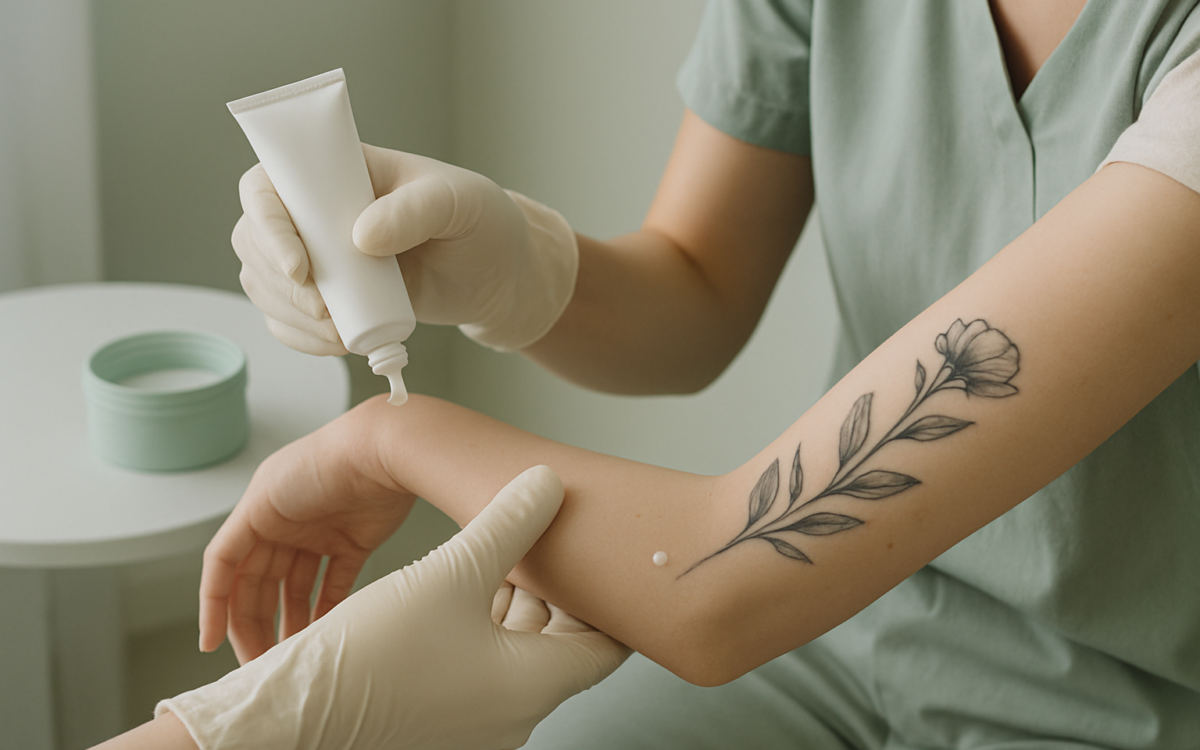
Getting a tattoo is an exciting experience, marking a moment or memory that you’ll carry with you for life. However, ensuring that your new ink heals properly is crucial for preserving its beauty and preventing any complications. With the right aftercare, you can keep your tattoo looking vibrant and well-defined. Let’s explore essential practices for effective tattoo aftercare to maximize your healing and satisfaction.
Understanding the Healing Process
When you get a tattoo, the needle penetrates the skin layers, introducing ink and causing minor trauma. This process triggers your body’s natural healing response. Generally, your tattoo goes through four stages of healing:
- Inflammation: This phase lasts about 2-3 days, during which you may notice swelling and redness.
- Repair: Within a week, your skin starts to heal, and you may see scabbing as your body seals the tattoo.
- Maturation: This phase can last several weeks, where the skin continues to heal beneath its surface.
- Remodeling: Over months, your tattoo settles into the skin, and the colors may become more defined.
Understanding these stages can help you manage your expectations and care effectively for your new tattoo.
Essential Aftercare Steps
The following aftercare practices are critical for a healthy healing process:
Cleansing Your Tattoo
For the first week after getting your tattoo, it is important to keep it clean. Gently wash the tattoo with lukewarm water and a mild, fragrance-free soap. Pat the area dry with a clean towel, avoiding any rubbing. It’s best to wash your tattoo twice a day — once in the morning and once before bedtime.
Moisturizing
Keeping your tattoo moisturized helps prevent excessive scabbing and promotes good healing. After washing, apply a thin layer of fragrance-free lotion or an aftercare product recommended by your tattoo artist. Look for products containing ingredients like aloe vera or vitamin E, which are known for their soothing properties.
What to Avoid
While it’s essential to care for your tattoo, there are also certain things you should avoid to prevent complications:
- Picking or Scratching: It might be tempting to scratch an itchy tattoo, but this can lead to infections and scarring. If it feels itchy, gently tap the area instead.
- Exposing to Sunlight: Keep your tattoo out of direct sunlight for at least two weeks. Ultraviolet (UV) rays can damage the healing skin and fade your tattoo over time.
- Submerging in Water: Avoid soaking your tattoo in baths, hot tubs, or swimming pools until it has fully healed. Water can introduce bacteria and increase the risk of infection.
Recognizing Signs of Infection
While most tattoos heal without complications, it’s important to watch for signs of infection. If you notice any of the following, consult your healthcare provider:
- Increased redness around the tattoo
- Pain that worsens instead of improving
- Pus or fluid leaking from the tattoo
- Fever or chills
Early intervention can prevent a more serious problem, so don’t hesitate to seek medical advice if you are concerned.
Long-Term Care for Your Tattoo
Once your tattoo is healed, maintaining it is key to preserving its colors and details. Here are important tips:
- Moisturize Regularly: Keeping your skin hydrated will help maintain the vibrancy of your tattoo.
- Use Sunscreen: Apply a high-SPF sunscreen daily to protect your tattoo from sun damage. This is essential year-round.
- Visit Your Dermatologist: Schedule regular skin check-ups, especially if you notice any changes in your tattoo or skin around it.
When to See a Doctor
If you notice any concerning signs or symptoms, consult your healthcare provider as soon as possible. Symptoms to look for include:
- Severe pain or swelling
- Persistent redness that spreads beyond the tattoo
- Fever or chills
- Draining pus or fluid that doesn’t improve
It’s always better to err on the side of caution when it comes to your health.
Conclusion
Proper aftercare is vital to ensure that your tattoo heals beautifully and remains a source of pride for years to come. By following these guidelines, you can minimize the chances of complications and enjoy your ink without worry. Remember, if you’re ever in doubt about your tattoo’s healing or notice any unusual changes, consult a healthcare professional for guidance. Your skin deserves the best care!
