
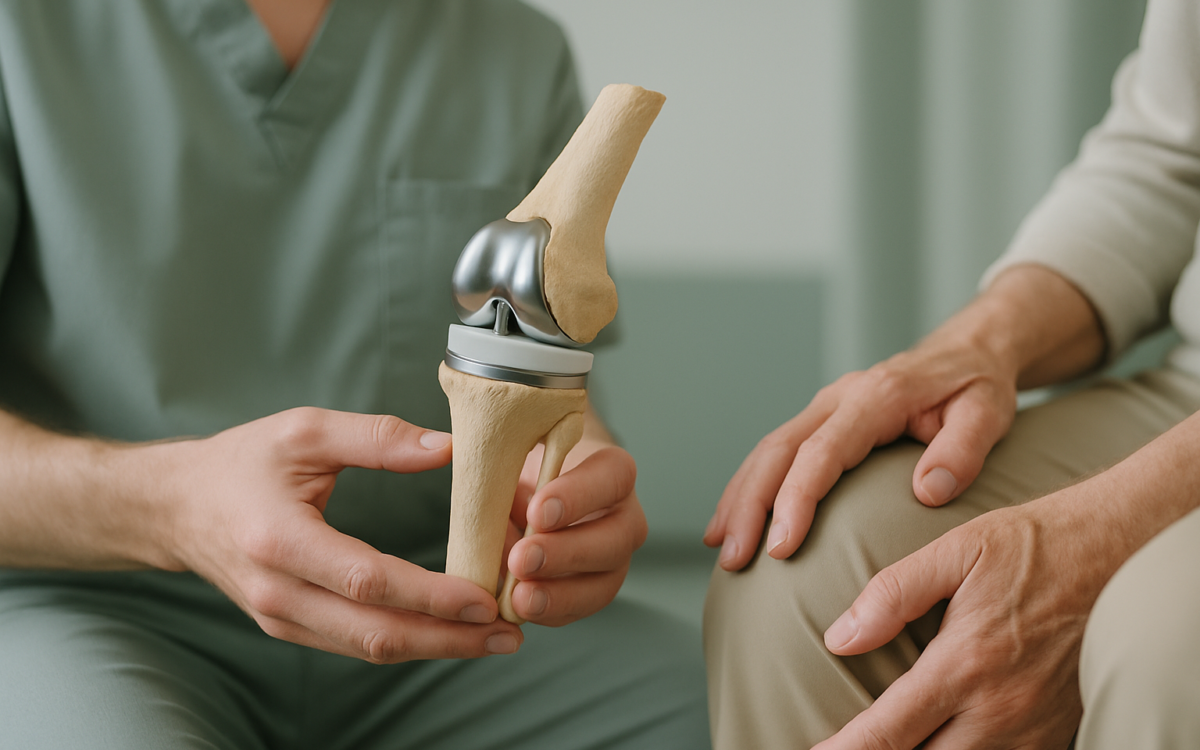
Knee replacement surgery has become a common solution for individuals suffering from severe knee pain, especially due to conditions such as osteoarthritis. This procedure can significantly enhance the quality of life for many patients, allowing them to return to daily activities with reduced pain and increased mobility. If you or a loved one is considering knee replacement, understanding what to expect can help ease any concerns.
What is knee replacement?
Knee replacement, also known as knee arthroplasty, involves removing damaged or worn surfaces of the knee joint and replacing them with artificial components. The surgery aims to alleviate pain, improve function, and restore the patient’s ability to perform daily tasks. It can be performed as a total knee replacement or a partial knee replacement, depending on the extent of damage.
Who needs knee replacement?
The most common reasons for considering knee replacement include:
- Osteoarthritis: A degenerative joint disease that causes cartilage wearing down over time.
- Rheumatoid arthritis: An autoimmune condition that can lead to severe joint inflammation and pain.
- Injury: Trauma to the knee can damage cartilage or bone, resulting in persistent pain and mobility issues.
- Other conditions: Such as avascular necrosis or gout may necessitate knee replacement.
Many individuals experience significant improvements in pain and function following surgery, allowing them to return to activities they love.
What to expect during surgery
Knee replacement surgery is typically performed under general or regional anesthesia. The surgeon will make an incision over the knee, remove the damaged joint surfaces, and place the artificial joint components. The surgery usually takes 1 to 2 hours, depending on the complexity.
Recovery process
The recovery period after knee replacement varies from person to person but generally includes:
- Hospital stay: Most patients stay in the hospital for 1 to 3 days post-surgery.
- Physical therapy: Rehabilitation often starts the day after surgery to help regain strength and mobility. Patients will work with physical therapists to develop individualized exercise plans.
- Pain management: Pain is expected after surgery, but doctors will prescribe medications to manage discomfort effectively.
- Follow-up visits: Regular check-ups are necessary to ensure proper healing and adjust rehabilitation as needed.
Many patients can begin walking with assistance within a few days, and full recovery may take several months, depending on individual progress.
Benefits of knee replacement
Knee replacement surgery can provide numerous benefits, including:
- Pain relief: Most patients report a significant reduction in pain after surgery.
- Improved mobility: Patients often regain their ability to participate in daily activities and enjoy physical activities.
- Increased quality of life: With less pain and better function, individuals can experience an enhanced overall quality of life.
Research indicates that many patients achieve significant improvements in function and satisfaction levels following knee replacement surgery. According to the NIH, about 90% of knee replacements last 15 years or longer.
Potential risks and complications
Like any surgery, knee replacement comes with potential risks, including:
- Infection: Though rare, infections can occur in the surgical site.
- Blood clots: Clots can form in the legs after surgery, potentially leading to complications.
- Joint instability: In some cases, the implant may become loose, necessitating further surgery.
- Persistent pain or stiffness: While many experience relief, some may continue to have discomfort post-surgery.
Discuss these risks with your doctor to weigh the pros and cons before making a decision about surgery.
When to see a doctor
If you experience severe knee pain, swelling, or difficulty walking that affects your daily life, it may be time to consult a healthcare professional. They will evaluate your condition and discuss potential treatment options, including whether knee replacement might be appropriate for you.
Conclusion
Knee replacement surgery can be a life-changing option for those suffering from debilitating knee pain. Understanding the procedure, recovery, benefits, and potential risks can help you make an informed decision. While this surgery can improve your quality of life, it’s essential to work closely with your healthcare provider to determine the best approach for your unique needs.
