
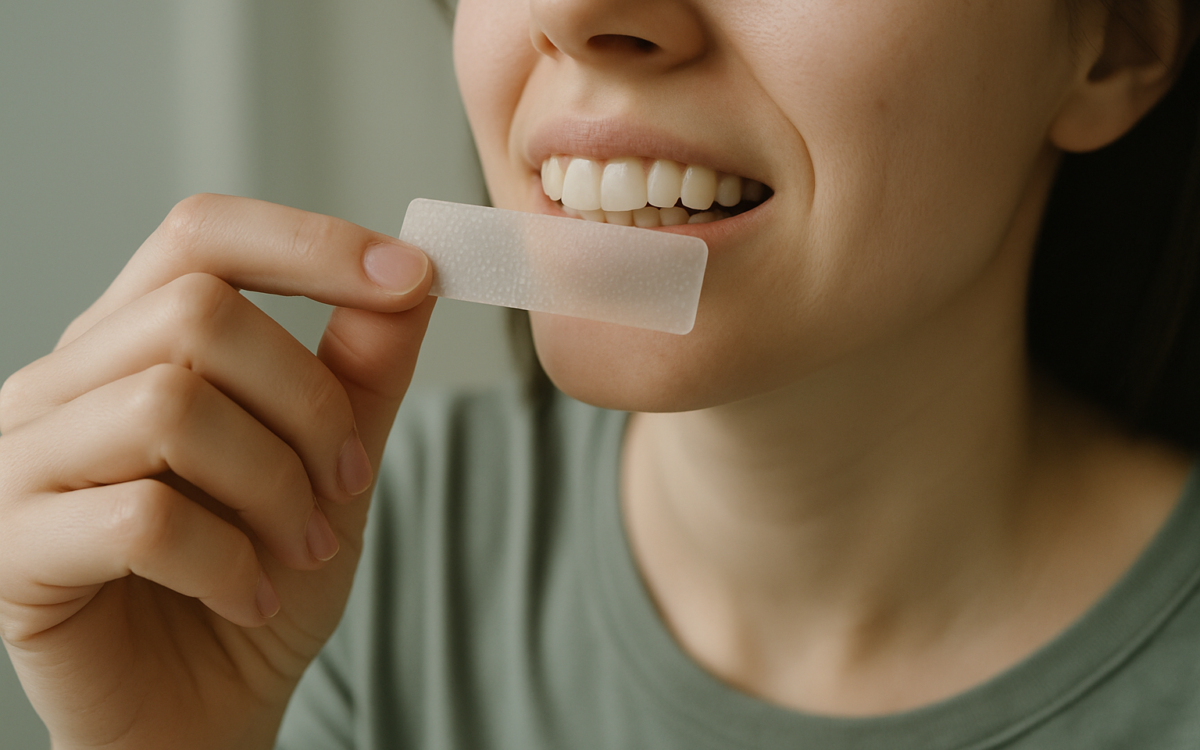
Teeth whitening strips have become increasingly popular for achieving a brighter smile at home. They offer convenience and accessibility, allowing users to avoid the expense of professional treatments. However, like any cosmetic product, these whitening strips come with potential side effects that users should be aware of. This article will explore the common side effects, how to use these products safely, and what to consider before beginning a whitening regimen.
What Are Whitening Strips?
Whitening strips are thin, flexible plastic strips coated with a whitening gel that typically contains peroxide. Users apply these strips to their teeth for a specified period, usually 30 minutes to an hour, to achieve a whiter smile. Over-the-counter options are available without a prescription and can be found in most drugstores.
Common Side Effects of Whitening Strips
While many people achieve satisfying results with whitening strips, some individuals may experience side effects. It’s essential to understand these potential reactions to make an informed choice.
1. Tooth Sensitivity
One of the most common side effects associated with whitening strips is tooth sensitivity. This sensitivity occurs when the peroxide penetrates the enamel and irritates nerve endings within the teeth. Some users report a sharp pain or discomfort when consuming hot, cold, or sweet foods and beverages. The sensitivity can last for a few hours, but it usually subsides after discontinuing use.
2. Gum Irritation
Alongside tooth sensitivity, gum irritation is another prevalent side effect. When the strips come into contact with the gums, the bleaching agent may irritate the soft tissues, leading to redness, swelling, or even peeling. To minimize this risk, it’s crucial to apply strips carefully and avoid overlapping the edges onto the gum line.
3. Uneven Whitening
Users may also notice uneven whitening. This inconsistency can result from improper application or using strips that don’t fit well over the teeth. If parts of the enamel are not in full contact with the whitening gel, those areas may not lighten as effectively, causing an uneven appearance. To achieve more uniform results, consider strips designed to adapt to your teeth or consult a professional for custom solutions.
How to Use Whitening Strips Safely
To reduce the likelihood of experiencing negative side effects, follow these tips for using whitening strips safely:
- Follow Instructions: Always adhere to the instructions provided on the product packaging. Overusing whitening strips can exacerbate sensitivity and gum irritation.
- Timing is Key: Limit the duration of use. Some strips are designed for daily use, while others may only be for use a few times a week.
- Consult Your Dentist: Before starting any whitening process, speak with your dentist, especially if you have sensitive teeth or gum issues. They can offer tailored advice and may recommend alternatives that are safer for your dental health.
- Perform a Patch Test: If you have sensitive teeth or a history of allergies, consider performing a patch test. Apply a small piece of the strip to one tooth to see how your teeth and gums react before using them on all your teeth.
Who Should Avoid Whitening Strips?
While many people can safely use whitening strips, certain groups may want to avoid them or use them with caution:
- Individuals with Dental Issues: If you have cavities, gum disease, or other dental issues, whitening strips may worsen your condition or lead to increased pain.
- Pregnant or Nursing Women: The safety of whitening products during pregnancy or breastfeeding has not been fully established, so it’s best to consult a healthcare provider.
- Children and Teens: Whitening strips are generally not recommended for children under 12 years old. Young teeth are still developing, and the use of whitening agents may have unintended effects.
Preventing Side Effects
To minimize potential side effects associated with whitening strips:
- Stay Hydrated: Keeping well-hydrated can help prevent dry mouth, which may worsen tooth sensitivity.
- Use Desensitizing Toothpaste: If experiencing sensitivity, consider using a desensitizing toothpaste before and after the whitening process.
- Limit Staining Foods: Prior to and after using whitening strips, try to avoid coffee, tea, or other staining foods to maximize your results.
When to See a Doctor
If you experience severe or prolonged side effects, such as extreme tooth sensitivity, persistent gum irritation, or any allergic reactions (like swelling or hives), it’s crucial to consult a healthcare professional. They can assess your symptoms and provide appropriate guidance based on your individual situation.
Conclusion
Whitening strips can be an effective tool for achieving a brighter smile, but they are not without their potential side effects. By understanding these side effects and taking steps to use these products safely, you can work towards your dream smile while keeping your oral health intact. Always consider reaching out to your dentist for personalized recommendations and support throughout the whitening process.
