
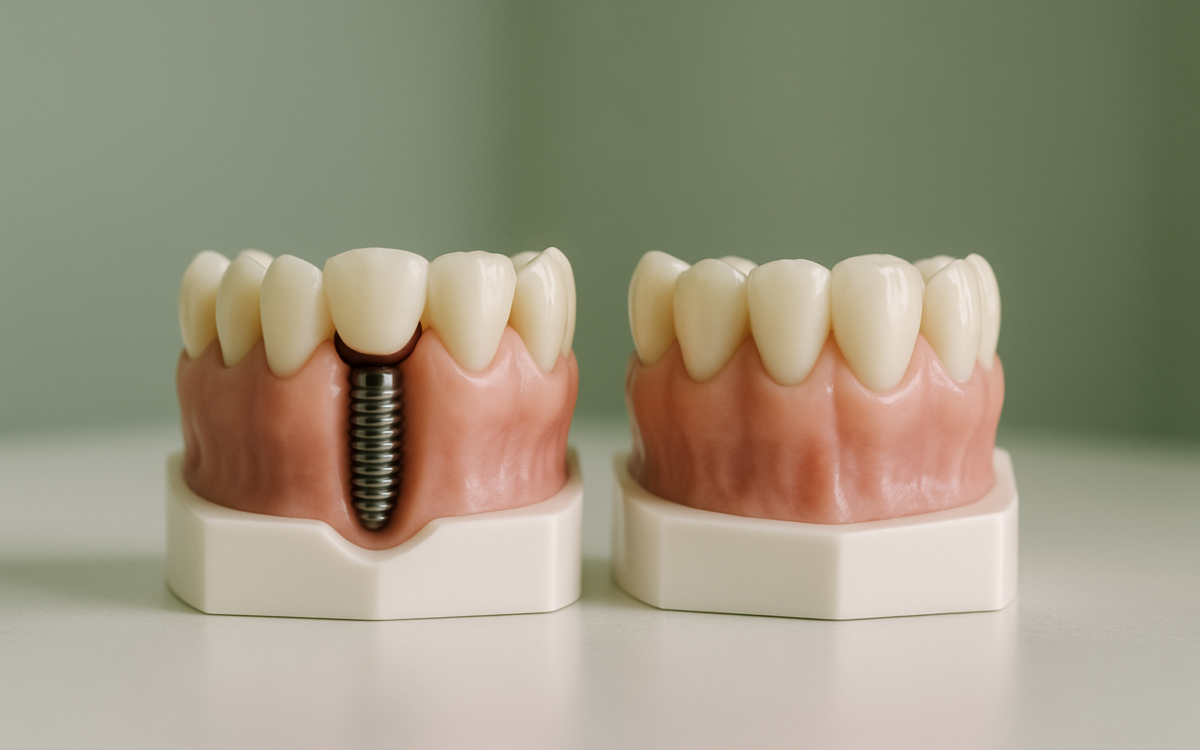
Dental health plays a crucial role in our overall well-being and self-esteem. For some people, missing teeth can be a source of discomfort and embarrassment. Over the past few decades, dental implants have emerged as a popular solution for replacing lost teeth. Understanding the process and what to expect before and after getting teeth implants can help ease any anxieties and set realistic expectations.
What Are Teeth Implants?
Teeth implants are artificial tooth roots made of titanium that are surgically placed in the jawbone. They serve as a sturdy foundation for replacement teeth (crowns) that look and function like natural teeth. According to the Mayo Clinic, dental implants are a long-term solution when compared to dentures or bridges.
The Before: Preparing for Implants
Before undergoing the procedure, it is essential to have a thorough dental examination. This evaluation may include X-rays and 3D imaging to assess bone density and the overall condition of your oral health.
- Consultation: A detailed discussion with your dentist will help identify if you are a good candidate for implants.
- Bone Health: If your jawbone is too thin or soft, a bone graft may be necessary to provide a stable base for the implant.
- Oral Hygiene: Great oral hygiene is vital before the procedure. Dentists often recommend thorough cleaning and possibly treatments to reduce any existing dental issues.
By following these steps and addressing any health concerns, you can improve your implant success rate.
The Procedure Explained
The dental implant process can typically be broken down into several key steps:
- Implant Placement: The titanium post is surgically placed into the jawbone under local anesthesia. This is usually a quick procedure that can be done in the dentist’s office.
- Healing Period: The implant requires time to fuse with the bone, a process known as osseointegration, which can take several months.
- Crown Placement: Once healed, a custom-made crown is placed on the implant, restoring function and aesthetics. This final step brings your smile transformation to life!
Patients often feel some discomfort during the procedure, but this typically subsides quickly. Your dentist will provide pain management strategies to ensure you remain comfortable.
The After: Recovery and Maintenance
Once the procedure is completed, it is essential to prioritize recovery and maintenance:
- Follow-Up Visits: Regular check-ups with your dentist will help monitor the healing process and address any concerns.
- Oral Hygiene: Maintain a rigorous oral hygiene routine, including brushing, flossing, and using an antibacterial mouthwash as recommended.
- Diet Updates: During the healing period, it might be necessary to avoid hard or chewy foods that could disrupt the implant site.
The recovery period can vary from person to person, but many find that maintaining good practices leads to successful healing and longevity of the implants.
Before and After: The Visual Transformation
The transformation that occurs with dental implants can be remarkable. Many people experience an immediate boost in confidence and self-esteem, thanks to the aesthetic improvement in their smile. Research published by the National Institutes of Health shows that individuals who undergo dental implant procedures report higher satisfaction levels compared to those with other tooth replacement options.
Photos of before and after can be particularly inspiring. Patients often notice how their facial structure is enhanced by the restoration of missing teeth. This can lead to a more youthful appearance, improved speech, and a greater ability to chew food comfortably.
Potential Risks and Considerations
Like any medical procedure, dental implants come with potential risks. These may include:
- Infection: Surgical procedures always carry the risk of infection.
- Nerve Damage: If an implant is placed incorrectly, it can lead to nerve damage, causing pain or numbness.
- Implant Failure: Although rare, there can be instances where the implant fails to fuse with the bone.
It is crucial to discuss your health history with your dentist and ask any questions you may have about the risks and benefits before proceeding with the treatment.
When to See a Doctor
If you experience significant pain, swelling that does not subside, or signs of infection such as fever or discharge from the implant site, it’s essential to contact your dentist immediately. Early intervention can prevent complications.
Ultimately, teeth implants offer a transformative solution for those with missing teeth. The journey from consultation through recovery can be an exciting time, leading to a healthier, more confident smile. Always consult with your dental professional to explore the best options for your individual needs.
