
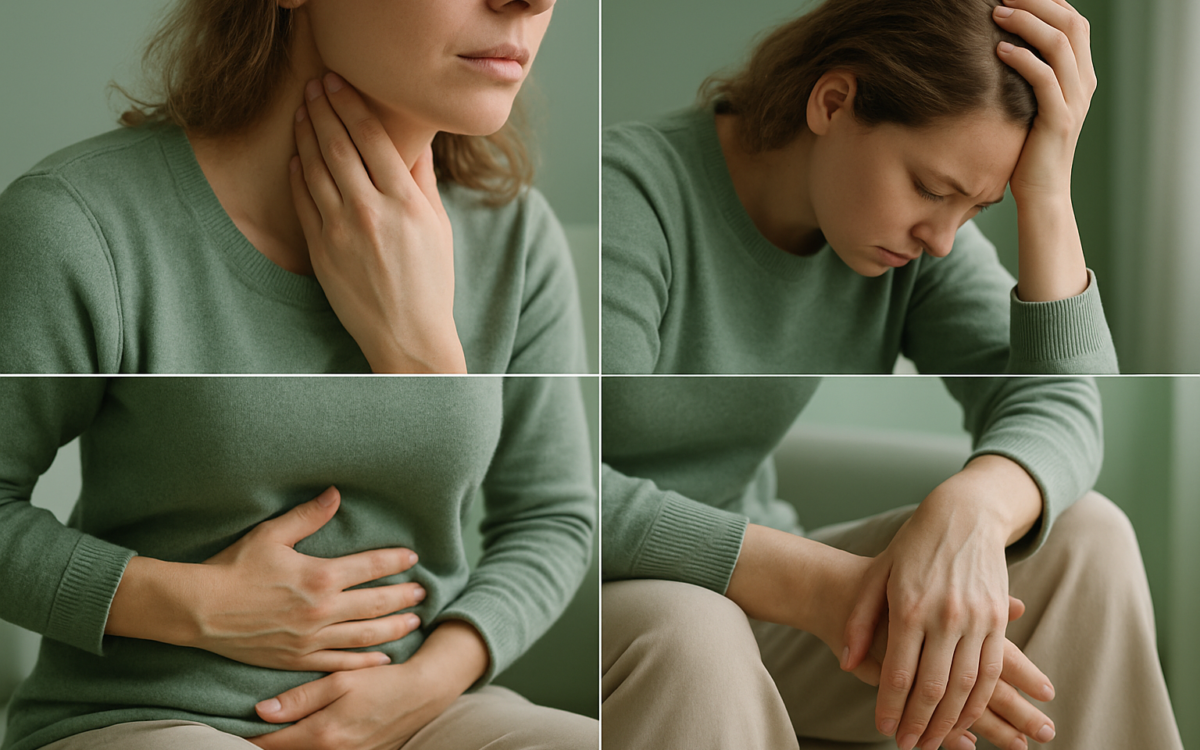
Hypothyroidism is a condition where the thyroid gland doesn’t produce enough thyroid hormones. These hormones are essential for regulating metabolism, energy levels, and many other bodily functions. While hypothyroidism can affect anyone, women, particularly those over 60, are more likely to experience this condition. Recognizing the symptoms early can lead to effective management, improving overall health and well-being.
The Role of the Thyroid Gland
The thyroid gland, located at the front of your neck, is shaped like a butterfly. It plays a vital role in the endocrine system, producing hormones that regulate various bodily functions, including:
- Metabolism
- Heart rate
- Body temperature
- Growth and development
When the thyroid is underactive, or hypothyroid, it can lead to a wide range of symptoms that may often go unrecognized, especially in women.
Common Symptoms of Hypothyroidism in Women
Hypothyroidism symptoms can vary significantly among individuals. Here are some of the most common signs women may experience:
1. Fatigue and Low Energy
One of the hallmark symptoms of hypothyroidism is persistent fatigue. Even with adequate sleep, many women report feeling unusually tired or sluggish. This can interfere with daily activities and reduce quality of life.
2. Weight Gain
Unexplained weight gain is another significant symptom. Women with hypothyroidism may find it difficult to lose weight, even when they are eating healthily and exercising. This weight gain can be frustrating and emotionally taxing.
3. Cold Sensitivity
Women with hypothyroidism often feel colder than others, even in warm temperatures. This is due to a slower metabolism which affects the body’s ability to generate heat.
4. Mood Changes
Depression and anxiety are also common among women with hypothyroidism. The hormonal imbalance can influence mood and emotional well-being, leading to feelings of sadness or increased anxiety.
5. Menstrual Irregularities
Women may notice changes in their menstrual cycle, including heavier periods or longer cycles. Hypothyroidism can disrupt the normal hormonal balance, leading to these menstrual irregularities.
6. Dry Skin and Hair Changes
Another common symptom is dry skin and hair. Women with hypothyroidism might experience coarse hair, hair loss, or skin that feels dry and rough. This can significantly impact their self-esteem.
Other Possible Symptoms
In addition to the symptoms mentioned above, there are other signs that may indicate low thyroid hormone levels:
- Constipation
- Muscle weakness
- Joint pain or stiffness
- Memory issues or brain fog
These symptoms can sometimes be attributed to other health concerns, making it necessary to pay close attention to one’s health history and discuss concerns with a healthcare provider.
Understanding the Causes
Several factors can lead to hypothyroidism in women, including:
- Autoimmune diseases, particularly Hashimoto’s thyroiditis
- Radiation therapy or surgery on the thyroid gland
- Certain medications, especially those for heart conditions
- A family history of thyroid disorders
- Iodine deficiency
Women with risk factors should monitor their thyroid health closely, particularly those over the age of 60, as the likelihood increases with age.
Diagnosis and Treatment
If you suspect you have hypothyroidism, a simple blood test can measure your thyroid hormone levels. Your healthcare provider may check for thyroid-stimulating hormone (TSH) and thyroxine (T4) levels to assess your thyroid function.
Once diagnosed, hypothyroidism is typically treated with hormone replacement therapy. This involves taking synthetic thyroid hormone to restore adequate hormone levels, which can alleviate symptoms and improve quality of life.
When to See a Doctor
If you experience several of the symptoms mentioned above, it’s essential to consult your healthcare provider. Early diagnosis and treatment can significantly improve your quality of life. Regular check-ups and monitoring thyroid levels can help manage this condition effectively.
Conclusion
Understanding the symptoms of hypothyroidism in women is crucial for early detection and treatment. From fatigue to mood changes, many signs may intersect with other health issues, making awareness key. If you have concerns related to your thyroid health, don’t hesitate to reach out to your healthcare provider to discuss your symptoms and potential testing.
To learn more about hypothyroidism and its impact on health, visit Mayo Clinic or NIH.
