
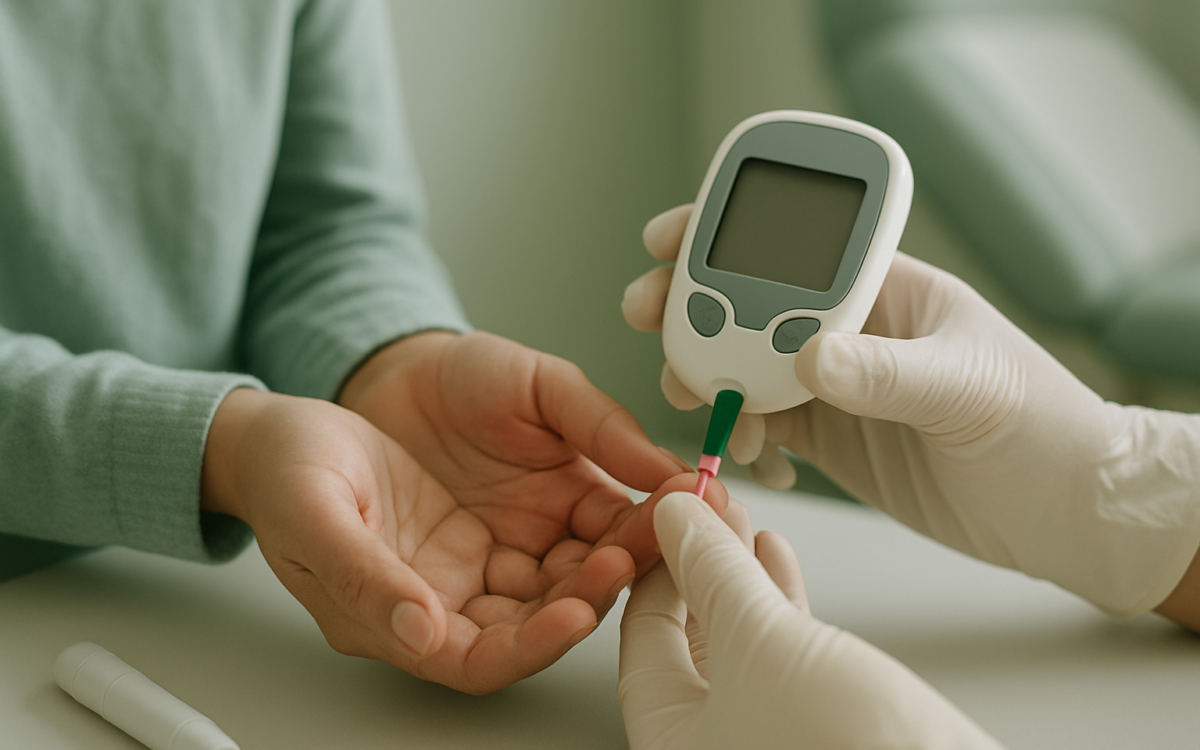
Diabetes is a serious health condition that affects millions of people worldwide. It occurs when your blood sugar levels become too high, usually because your body isn’t able to produce enough insulin or use it effectively. Diagnosing diabetes early is vital for managing the disease and preventing complications down the line. In this article, we will walk you through how diabetes is diagnosed, the tests involved, and when to consult a healthcare provider.
Recognizing the Symptoms of Diabetes
The first step in diagnosing diabetes often begins with recognizing common symptoms. These might include:
- Increased thirst and frequent urination
- Extreme fatigue
- Blurred vision
- Unexplained weight loss
- Sores that heal slowly
- Increased hunger
If you experience any of these symptoms, it’s important to talk to a healthcare provider. Early recognition of these symptoms can lead to timely diagnosis and treatment.
Types of Diabetes
Before jumping into the diagnostic process, it’s essential to understand that diabetes primarily falls into two categories:
- Type 1 Diabetes: This is an autoimmune condition where the body attacks insulin-producing cells in the pancreas.
- Type 2 Diabetes: This is more common and often associated with lifestyle factors such as obesity and physical inactivity.
Knowing the type of diabetes you may have can help guide the diagnostic tests and subsequent management.
Diagnostic Tests for Diabetes
To diagnose diabetes, healthcare providers typically use one or more of the following tests:
Fasting Blood Sugar Test
This test measures your blood sugar level after fasting for at least eight hours. A fasting blood sugar level of 126 mg/dL (7.0 mmol/L) or higher indicates diabetes.
Random Blood Sugar Test
A random blood test can be performed at any time, regardless of when you last ate. If your blood sugar level is 200 mg/dL (11.1 mmol/L) or higher, it usually means diabetes is present.
Oral Glucose Tolerance Test (OGTT)
For this test, your blood sugar levels are measured after fasting and then again two hours after drinking a sugary solution. A blood sugar level of 200 mg/dL (11.1 mmol/L) or higher after two hours indicates diabetes.
A1C Test
The A1C test provides a snapshot of your average blood sugar levels over the past two to three months. An A1C level of 6.5% or higher is used to diagnose diabetes. This test is particularly valuable as it does not require fasting and can be done at any time.
You can learn more about these tests from the CDC.
Understanding Test Results
Interpreting test results is crucial in diagnosing diabetes appropriately. Here’s a breakdown of what the results typically mean:
- Normal: Fasting blood sugar below 100 mg/dL (5.6 mmol/L); A1C below 5.7%
- Prediabetes: Fasting blood sugar 100-125 mg/dL (5.6-6.9 mmol/L); A1C 5.7-6.4%
- Diabetes: Fasting blood sugar 126 mg/dL (7.0 mmol/L) or higher; A1C 6.5% or higher
Understanding these numbers is important because it helps you and your healthcare provider decide on the best management approach.
Considerations for Specific Populations
Certain groups of people are at higher risk for diabetes, and special consideration may be given in the diagnostic process. These include:
- Individuals with a family history of diabetes
- People who are overweight or obese
- Women who have had gestational diabetes
- Individuals with high blood pressure or abnormal cholesterol levels
For at-risk groups, healthcare providers might recommend earlier or more frequent testing to catch the condition as soon as possible.
When to See a Doctor
If you notice any of the symptoms mentioned earlier or have concerns about your blood sugar levels, it’s essential to consult a healthcare provider. They can guide you through the appropriate tests and discuss your results and treatment options. Regular check-ups may also be beneficial if you are in a high-risk category for diabetes.
It’s vital to stay informed about diabetes and its diagnosis. Understanding the steps and tests involved not only empowers you but also facilitates open conversations with your healthcare provider about your health.
For further information, visit the NIH’s National Heart, Lung, and Blood Institute to learn more about diabetes management and prevention.
