
Monitoring your blood sugar levels is crucial, especially if you have diabetes or are at risk. But how can you tell if your blood sugar is too high? Knowledge of symptoms, potential causes, and testing methods can help you manage your health effectively.
Understanding Blood Sugar Levels
Blood sugar, or glucose, is a vital energy source for your body. It comes from the foods you eat and is regulated by a hormone called insulin. When everything works as it should, your blood sugar stays within a normal range, typically between 70 to 130 mg/dL before meals and less than 180 mg/dL after meals. However, various factors, including diet, activity level, and stress, can cause blood sugar levels to rise.
Common Symptoms of High Blood Sugar
Recognizing the symptoms of high blood sugar is the first step in managing your health. Here are some common signs:
- Frequent Urination: As blood sugar levels increase, your kidneys work harder to filter and absorb the excess sugar. This often leads to increased urination.
- Increased Thirst: Frequent urination can lead to dehydration, causing you to feel more thirsty than usual.
- Fatigue: High blood sugar can result in fatigue, as your body’s cells become unable to efficiently use glucose for energy.
- Blurred Vision: Elevated glucose levels can cause changes in the eye’s lens, leading to vision problems.
- Hunger: Even though your blood sugar is high, your cells may not be getting the energy they need, resulting in increased hunger.
- Headaches: Frequent headaches can occur as your body responds to elevated blood sugar levels.
What Causes High Blood Sugar?
Several factors can contribute to high blood sugar levels, including:
- Poor Diet: Consuming high amounts of carbohydrates and sugars can spike blood glucose levels.
- Lack of Physical Activity: A sedentary lifestyle can lead to poor glucose control.
- Stress: Emotional or physical stress can increase insulin resistance, pushing blood sugar levels higher.
- Illness: Infections and illnesses can increase blood sugar levels due to stress hormones.
- Medications: Some medications can affect how your body uses insulin and glucose.
How to Monitor Your Blood Sugar
Regular monitoring is essential if you suspect your blood sugar may be high. Here are some effective methods:
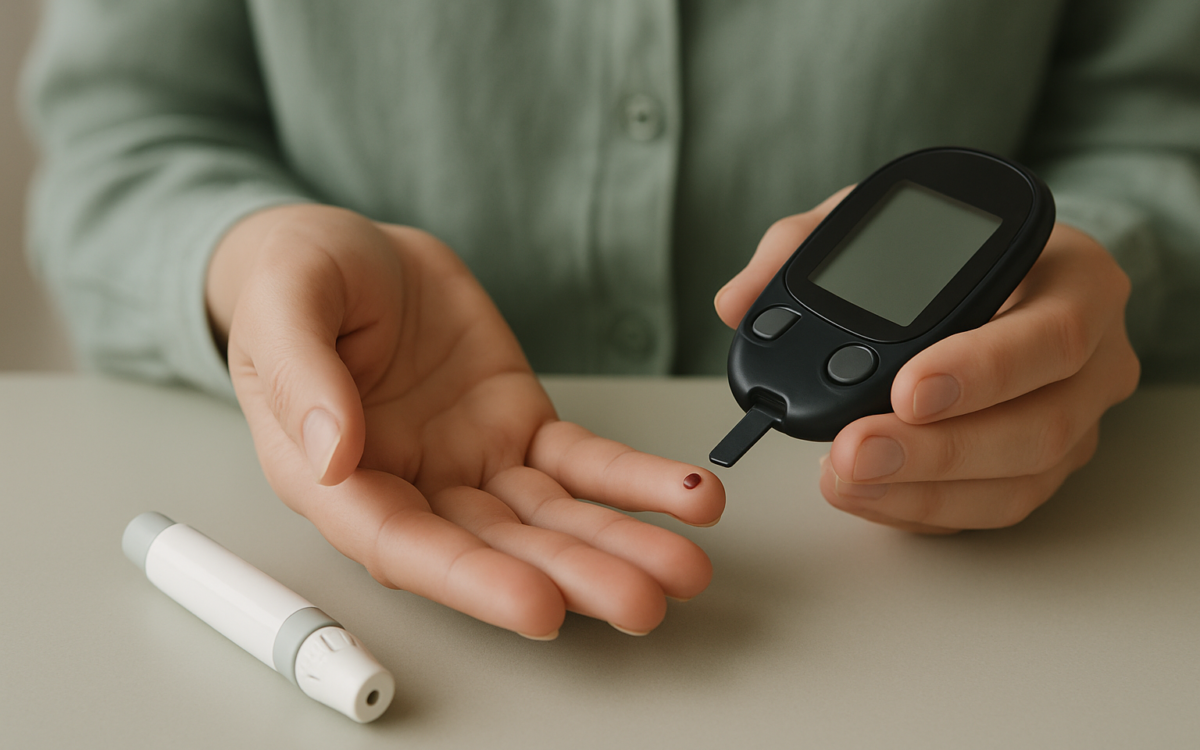
- Blood Glucose Meters: These handheld devices can give you a reading of your blood sugar levels when you prick your finger and place a drop of blood on a test strip.
- Continuous Glucose Monitors (CGMs): These devices provide real-time monitoring and can alert you if your blood sugar rises too high.
- A1C Tests: Conducted by a healthcare provider, this blood test measures your average blood sugar levels over the past two to three months.
If you are traveling or living outside your home country, you might want to ensure access to suitable medical facilities. Organizations like Acibadem International can guide international treatment options if you’re in need of expert health services.
Managing High Blood Sugar
If you experience symptoms of high blood sugar, there are several strategies to help bring your levels back to normal:
- Adjust Your Diet: Focus on whole grains, vegetables, lean proteins, and healthy fats. Monitoring carbohydrate intake is crucial.
- Exercise: Engage in regular physical activity, which can help lower blood sugar levels by increasing insulin sensitivity.
- Stay Hydrated: Drinking water can help your kidneys flush out excess sugar through urination.
- Medication: If prescribed, taking insulin or oral diabetes medications as directed can help manage your levels.
When to See a Doctor
Consult your healthcare provider if you notice any of the following:
- Your blood sugar levels frequently exceed the recommended levels.
- You have severe symptoms, such as confusion, nausea, or a fruity breath odor, which may indicate ketoacidosis.
- You experience any unusual symptoms that concern you.
Conclusion
Being aware of the signs of high blood sugar can empower you to take control of your health. Regular monitoring, understanding your body’s responses, and making lifestyle adjustments are crucial in managing your blood sugar levels. If you have concerns or experience severe symptoms, don’t hesitate to reach out to your healthcare provider for guidance.
