
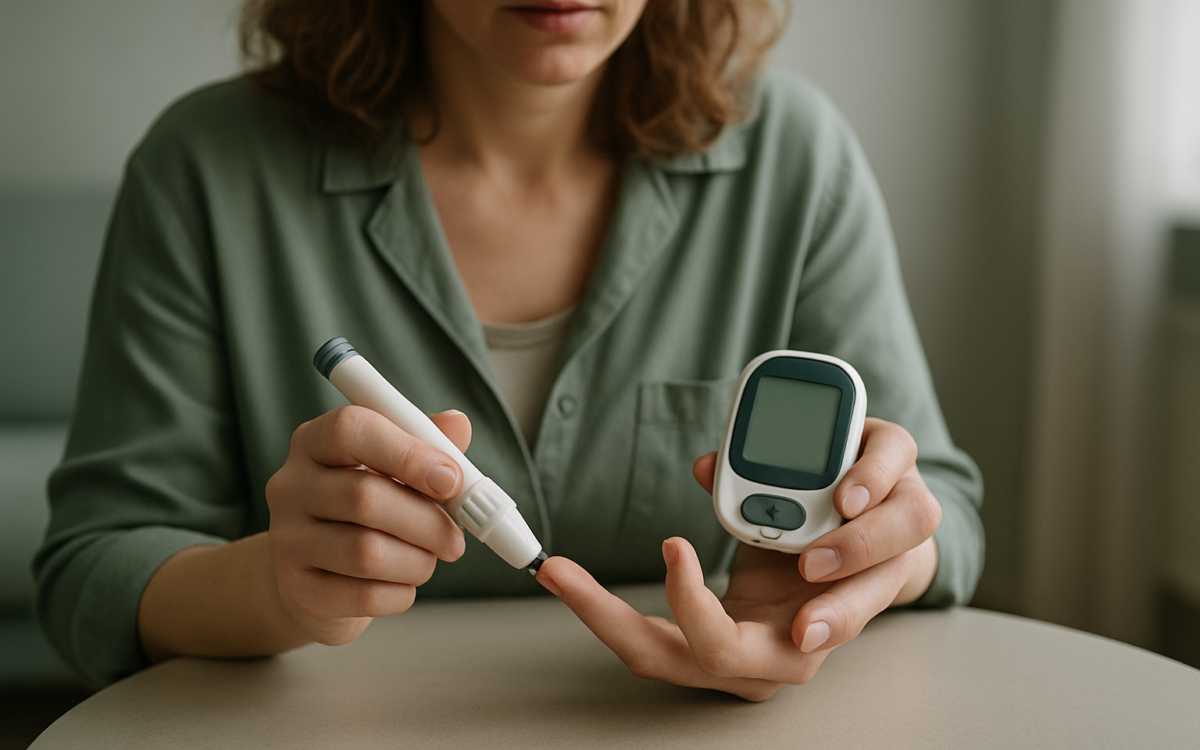
Diabetes, a chronic condition that affects how your body manages blood sugar (glucose), can occur in various forms, including type 1, type 2, and gestational diabetes. For women, recognizing the early signs of diabetes is vital for effective management and prevention of complications. Understanding these symptoms can mean the difference between early intervention and more serious health challenges down the line.
What is Diabetes?
Diabetes is a disease that occurs when your blood sugar (glucose) levels are too high. Glucose is the main source of energy for your body’s cells, and insulin—a hormone produced by the pancreas—helps transport glucose from the bloodstream into your cells. In diabetes, the body does not produce enough insulin or fails to use it effectively, leading to elevated glucose levels.
Common Early Signs of Diabetes
Women may experience specific signs that alert them to the possibility of diabetes. Here are some early symptoms to look out for:
- Increased Thirst and Frequent Urination: If you find yourself drinking a lot more water and frequently running to the bathroom, this may be a sign of high blood sugar. Elevated glucose levels can cause your kidneys to work overtime, filtering out excess sugar and leading to increased urine production.
- Persistent Fatigue: If you are feeling unusually tired despite getting enough rest, this might indicate that your body is not efficiently using glucose for energy.
- Unexplained Weight Loss: For some women, especially those with type 1 diabetes, weight loss occurs even when eating normally. This happens because the body starts burning fat and muscle for energy instead of glucose.
- Blurred Vision: High blood sugar can steal fluids from the lenses of your eyes, affecting your ability to focus and leading to temporary blurred vision.
- Skin and Urinary Tract Infections: Women may experience frequent infections, particularly in the skin and urinary tract. High glucose levels can create an environment that promotes the growth of bacteria.
The Role of Hormones in Diabetes
Hormones can significantly impact how diabetes manifests in women. For instance, hormonal changes during menstruation or pregnancy can influence insulin resistance. Some women may experience gestational diabetes during pregnancy, which usually resolves after childbirth but increases the risk of developing type 2 diabetes later in life. Understanding how these hormonal changes interact with diabetes is crucial for managing your health.
Risk Factors Unique to Women
Certain factors can elevate a woman’s risk of developing diabetes:
- Polycystic Ovary Syndrome (PCOS): Women with PCOS are at a higher risk of insulin resistance and type 2 diabetes.
- History of Gestational Diabetes: Women who have had gestational diabetes are more likely to develop type 2 diabetes later in life.
- Age and Family History: As women age, especially those over 45, the risk of diabetes increases. A family history of diabetes also adds to this risk.
Emotional and Mental Health Considerations
The emotional toll of living with diabetes can be significant. Women may experience anxiety or depression related to their condition, which can further complicate diabetes management. Seeking support from healthcare professionals, family, or support groups can be beneficial in addressing these feelings.
Managing Your Risk
While identifying early signs of diabetes is crucial, there are proactive steps women can take to minimize risk:
- Regular Check-Ups: Routine healthcare visits can help monitor blood sugar levels and overall health.
- Balanced Diet: Eating a diet rich in fruits, vegetables, whole grains, and lean proteins is vital for maintaining a healthy weight and blood sugar levels.
- Physical Activity: Regular exercise helps improve insulin sensitivity and control blood sugar levels.
When to See a Doctor
If you notice any of the early signs of diabetes or have concerns about your risk factors, it is imperative to consult a healthcare professional. Early diagnosis and management can dramatically improve outcomes and enhance your quality of life. Regular check-ups allow for monitoring and timely interventions that can help prevent the progression of the disease.
Conclusion
Awareness of the early signs of diabetes in women is vital. By recognizing these symptoms and understanding their implications, you can play an active role in your health. Regular check-ups, lifestyle modifications, and being informed about your body can make a significant difference in managing diabetes and reducing the risk of complications. For more information on diabetes and potential symptoms, you can visit resources from the National Heart, Lung, and Blood Institute or the Centers for Disease Control and Prevention.
