
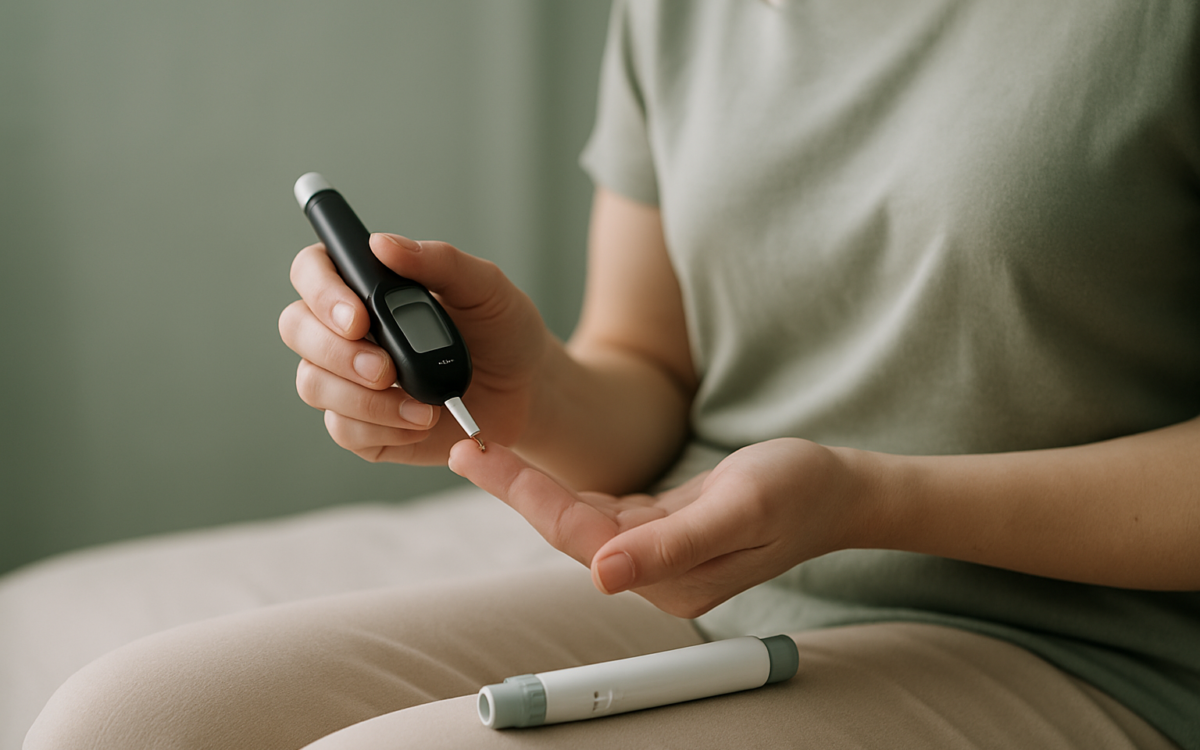
Type 2 diabetes is a growing health concern that affects millions of people worldwide, and women can be particularly susceptible to its various signs and symptoms. While some symptoms of this condition overlap with those experienced by men, women may experience unique indicators. Understanding these signs is crucial for early detection and management, which can lead to better health outcomes.
What is Type 2 Diabetes?
Type 2 diabetes occurs when the body becomes resistant to insulin or when the pancreas does not produce enough insulin to maintain normal blood sugar levels. This condition can lead to serious health complications, including heart disease, nerve damage, and kidney problems. Women, in particular, face risks that can differ significantly from men’s, making awareness of the signs essential.
Common Signs of Type 2 Diabetes in Women
Recognizing the early signs of type 2 diabetes can make a significant difference in managing the condition. Here are some common symptoms:
- Increased Thirst and Hunger: Women with type 2 diabetes may experience unusual thirst and hunger. This can occur because high blood sugar levels lead to dehydration and the body’s depleted energy stores.
- Frequent Urination: As the body tries to eliminate excess sugar through urine, women may find themselves needing to urinate more often. This symptom is often accompanied by increased thirst.
- Fatigue: Unexplained fatigue is a common sign. When insulin resistance diminishes the body’s ability to use glucose for energy, you may feel constantly tired.
- Blurred Vision: Sudden changes in blood sugar levels can lead to temporary changes in vision. Women may experience blurriness, which usually improves as blood sugar levels stabilize.
- Skin Changes: Women with type 2 diabetes might notice darkened skin in certain areas, such as the neck or armpits, a condition known as acanthosis nigricans. This can indicate insulin resistance.
Other Signs to Watch Out For
In addition to the more common signs mentioned above, there are more subtle indications that women should be aware of:
- Slow Healing Cuts and Infections: Women with diabetes may find that their wounds heal more slowly than usual. This can be due to reduced blood flow and nerve damage.
- Heavy Menstrual Periods: Diabetes can lead to hormonal changes that may affect menstrual cycles, causing heavier than normal periods or irregular cycles.
- Increased Mood Swings: Fluctuating blood sugar levels can affect mood, leading to feelings of irritability or depression.
Risk Factors for Women
Various factors might increase the risk of developing type 2 diabetes in women. Some of these include:
- Age: Women over 45 are at higher risk, although childhood obesity and sedentary lifestyles are making type 2 diabetes more common in younger populations.
- Family History: A family history of diabetes increases likelihood, making it important for women with relatives who have diabetes to be vigilant.
- Obesity: Women with a higher percentage of body fat are more likely to develop type 2 diabetes, particularly if the excess weight is carried around the abdomen.
- Lifestyle Factors: Sedentary behavior and unhealthy eating contribute significantly to the risk of diabetes.
Impact on Reproductive Health
Type 2 diabetes can have various effects on reproductive health, including problems with ovulation and pregnancy. Women with uncontrolled diabetes may experience fertility issues.
Pregnancy Considerations
Women who develop gestational diabetes during pregnancy are at an increased risk of developing type 2 diabetes later in life. Monitoring blood sugar levels is essential for pregnant women, especially if they have risk factors.
When to See a Doctor
If you notice any of the signs or symptoms mentioned above, consulting a healthcare provider is essential. Early diagnosis can lead to effective management strategies that may prevent complications associated with type 2 diabetes. Regular check-ups and blood sugar screenings can make a significant difference in overall health.
Conclusion
Being aware of the signs of type 2 diabetes is crucial for women’s health. Recognizing early symptoms can empower women to seek care and make lifestyle changes that can enhance their quality of life. For more information on diabetes and how to manage it, refer to reputable sources such as the CDC and the Mayo Clinic. Staying informed is the first step towards better health.
