
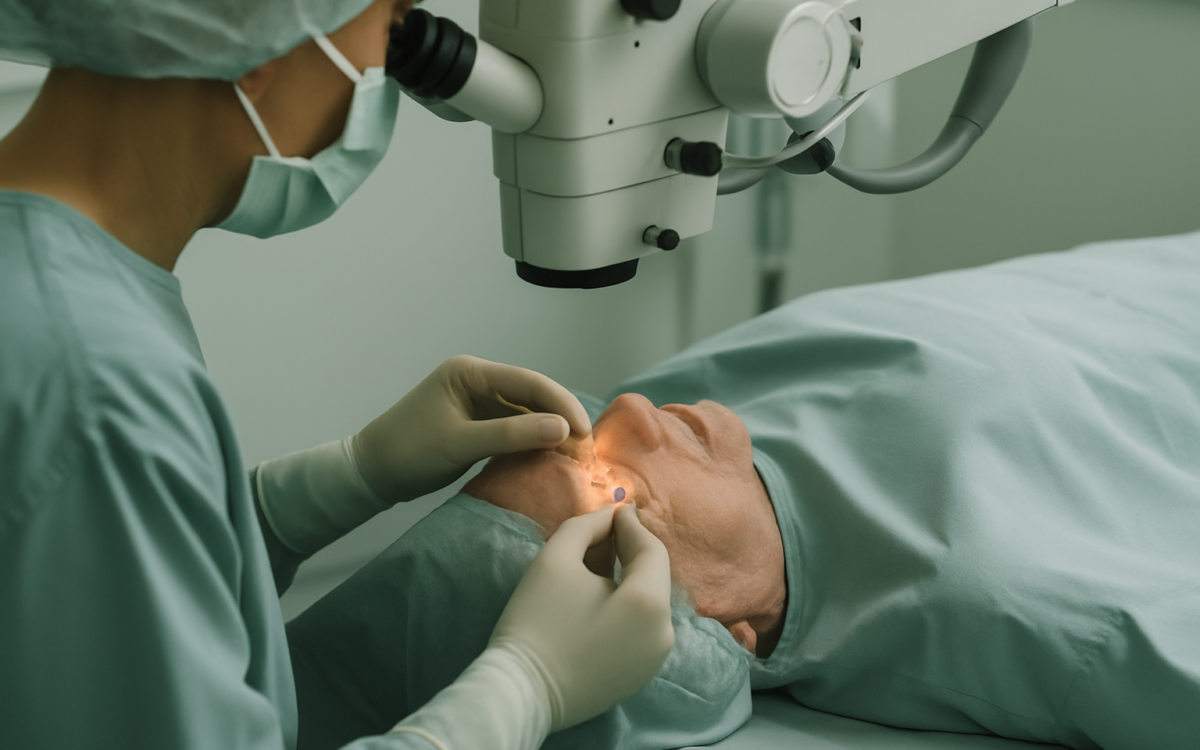
Cataracts are a common vision problem that can significantly impact daily activities. They form when the lens of the eye becomes cloudy, leading to blurred vision and difficulty with bright lights. Fortunately, cataract surgery is a highly effective treatment that can help restore clarity to your vision. In this article, we’ll explore what cataract surgery involves, its benefits, and what you can expect during the recovery process.
What is cataract surgery?
Cataract surgery is a procedure to remove the cloudy lens from the eye and replace it with an artificial lens called an intraocular lens (IOL). This surgery is typically performed on an outpatient basis, meaning you can go home the same day. The procedure usually takes less than an hour and is done under local anesthesia, so you’ll be awake but won’t feel any pain.
When is cataract surgery needed?
Generally, cataract surgery is recommended when cataracts interfere with your daily activities and quality of life. Signs that it may be time for surgery include:
- Difficulty reading or driving, especially at night
- Frequent changes in prescription glasses
- Seeing halos around lights
- Colors appearing faded or yellowed
It’s essential to consult with an eye care professional to determine the right time for surgery. They will assess the severity of your cataracts and help guide you in making an informed decision.
Types of intraocular lenses (IOLs)
There are various types of IOLs available. Your eye doctor will help you decide which one is best for your needs.
Monofocal lenses
Monofocal lenses are the most common choice. They can correct vision at one distance, either near, intermediate, or far. If you choose this option, you may still need glasses for certain activities.
Multifocal lenses
Multifocal lenses allow you to see clearly at multiple distances, reducing your reliance on glasses for everyday tasks.
Toric lenses
If you also have astigmatism, your doctor may recommend toric lenses, which can correct both cataracts and astigmatism.
It’s important to discuss the pros and cons of each lens type with your doctor to find the best fit for your vision needs.
The cataract surgery procedure
During cataract surgery, your surgeon will follow these general steps:
- Anesthesia: You’ll receive eye drops to numb your eye, and you may also be given a mild sedative for relaxation.
- Accessing the lens: The surgeon will make a small incision in the eye, often using ultrasound energy to break up the cloudy lens.
- Removing the lens: The broken pieces of the cataract will be gently suctioned out of the eye.
- Inserting the IOL: The artificial lens will be carefully placed in your eye.
Each step is done with precision and care, making this procedure highly effective and safe.
Recovery after cataract surgery
After your surgery, you will spend a short time in a recovery area where medical staff will monitor you. Most people can return home the same day. Here’s what to expect during your recovery:
- Healing Time: Full recovery may take several weeks, during which your vision will gradually improve.
- Activity Restrictions: Your doctor may advise you to avoid heavy lifting or strenuous activities for a few days.
- Follow-up Visits: Regular check-ups with your doctor will ensure your eye is healing properly.
- Use of Eye Drops: You will likely need to use antibiotic and anti-inflammatory eye drops to support healing.
During the initial recovery period, it’s crucial to follow your doctor’s instructions carefully. If you’re considering cataract surgery overseas for treatment options, facilities such as acibademinternational.com offer consultation and surgical services tailored for international patients.
Potential risks and complications
While cataract surgery is generally safe and effective, like any surgical procedure, it comes with some risks. Possible complications may include:
- Infection
- Bleeding
- Retinal detachment
- Persistent pain or discomfort
Most of these complications are rare, but it’s essential to be aware of them. Always discuss potential risks with your surgeon to make an informed decision about your procedure.
When to see a doctor
If you experience any sudden changes in vision, increase in eye pain, or symptoms like redness that don’t resolve, it’s important to consult your eye doctor immediately. They can assess your situation and determine if further intervention is needed.
Cataract surgery can be a life-changing procedure, bringing clarity back to your vision and allowing you to enjoy life more fully. If you suspect you have cataracts or have been advised to consider surgery, take the time to discuss your options with an eye care professional.
