
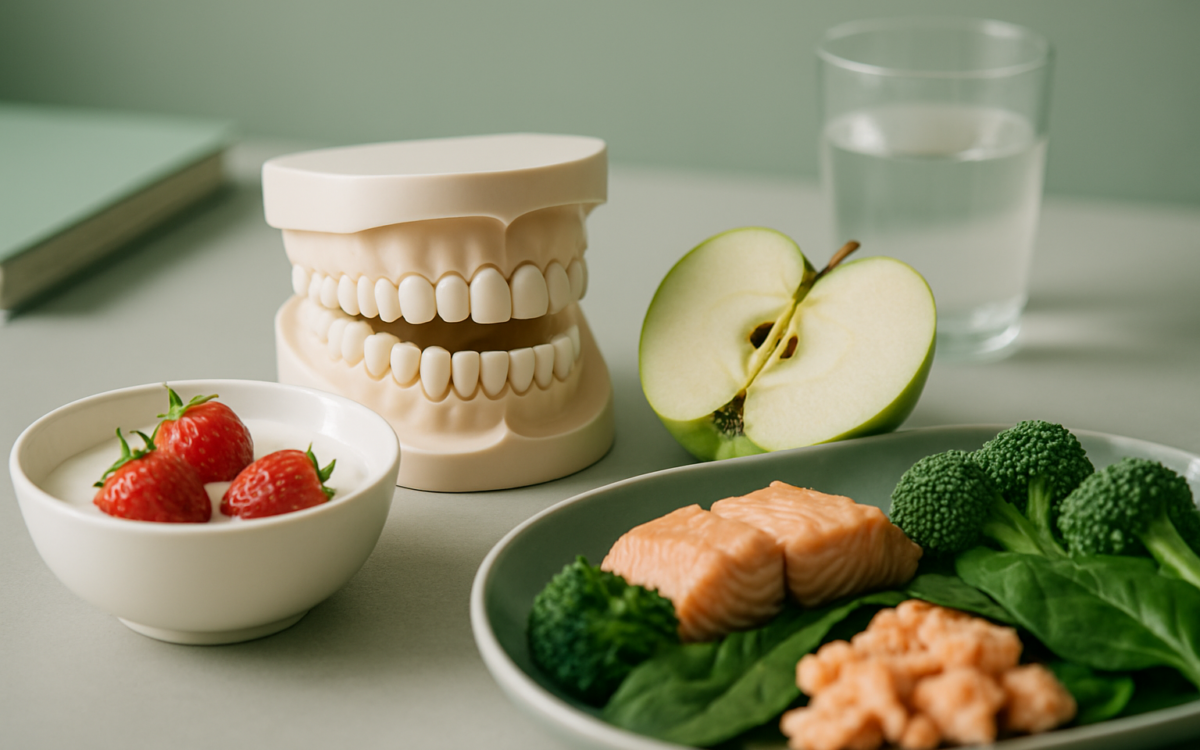
When it comes to maintaining a bright, white smile, many factors come into play, including regular dental hygiene and professional cleanings. However, your diet can have a significant impact on the color of your teeth. Certain foods and beverages can stain your teeth, while others can help keep them white. In this article, we will explore the best foods and dietary habits to help you achieve and maintain a radiant smile.
Understanding Tooth Stains
Tooth stains can be extrinsic (surface) or intrinsic (underneath the enamel). Extrinsic stains are typically caused by food and drink, such as coffee, tea, red wine, and certain fruits. Intrinsic stains are often due to factors like medication, trauma, or aging. It’s essential to be aware of the foods that can contribute to these stains to make informed dietary choices.
Foods and Drinks to Avoid
When trying to maintain whiter teeth, consider limiting or avoiding the following items:
- Coffee and Tea: The tannins in both beverages can lead to significant staining.
- Red Wine: Like coffee, red wine is rich in tannins and has deep pigments that can stain your teeth.
- Sodas and Sugary Drinks: High acidity can erode enamel, making it easier for stains to set.
- Berries: While they are nutritious, their dark pigments can contribute to staining as well.
- Certain Sauces: Soy sauce, tomato sauce, and balsamic vinegar can cause discoloration.
Foods That Promote Whiter Teeth
On the flip side, there are plenty of foods that can help keep your teeth looking bright. Incorporate these into your diet:
- Crunchy Fruits and Vegetables: Apples, carrots, and celery can help scrub your teeth naturally and increase saliva production.
- Dairy Products: Cheese, yogurt, and milk are great for your teeth thanks to their calcium content and ability to neutralize acids.
- Strawberries: Although they can stain, strawberries contain malic acid, a natural enamel whitener. Enjoy them in moderation.
- Foods Rich in Vitamin C: Oranges, kiwis, and peppers can promote gum health and help prevent plaque buildup.
- Nuts: Almonds and other nuts can help remove plaque while providing healthy fats and proteins.
The Role of Water in Oral Health
Water plays a crucial role in maintaining oral health. Drinking water helps wash away food particles and acids that can cause tooth decay and staining. Additionally, fluoride-containing water can strengthen tooth enamel, making it more resistant to stains. Aim to drink plenty of water throughout the day, especially after consuming staining foods and drinks.
Maintaining Good Oral Hygiene
While diet is essential for keeping teeth white, it shouldn’t replace good oral hygiene practices. Regular brushing and flossing are vital in preventing plaque buildup and maintaining a bright smile. Here are some tips:
- Brush your teeth at least twice a day with fluoride toothpaste.
- Floss daily to remove food particles and plaque between teeth.
- Use an antiseptic mouthwash to help reduce bacteria.
- Visit your dentist regularly for cleanings and check-ups.
Natural Teeth Whitening Remedies
Some people look for natural remedies to enhance their whitening routine. Here are a few options that may help:
- Baking Soda: Brushing with a baking soda paste can remove surface stains.
- Hydrogen Peroxide: This has been shown to have whitening effects, but it’s crucial to dilute it properly and use it sparingly.
- Activated Charcoal: Some people use this to absorb stains, although scientific evidence supporting its effectiveness is limited.
Consult your dentist before trying any whitening remedies to ensure they are appropriate for your dental health.
When to See a Doctor
If you notice sudden changes in the color of your teeth, persistent staining that doesn’t improve with brushing, or any other dental concerns, it’s wise to consult a dental professional. They can provide guidance tailored to your needs and address underlying issues, such as enamel erosion or gum disease, which can affect the appearance of your teeth.
Incorporating the right dietary choices and maintaining good oral hygiene can significantly impact the whiteness of your teeth. Being mindful of what you eat and how you care for your smile can help you achieve brighter teeth naturally. As always, remember to consult your dentist for personalized advice and recommendations for your oral health.
