
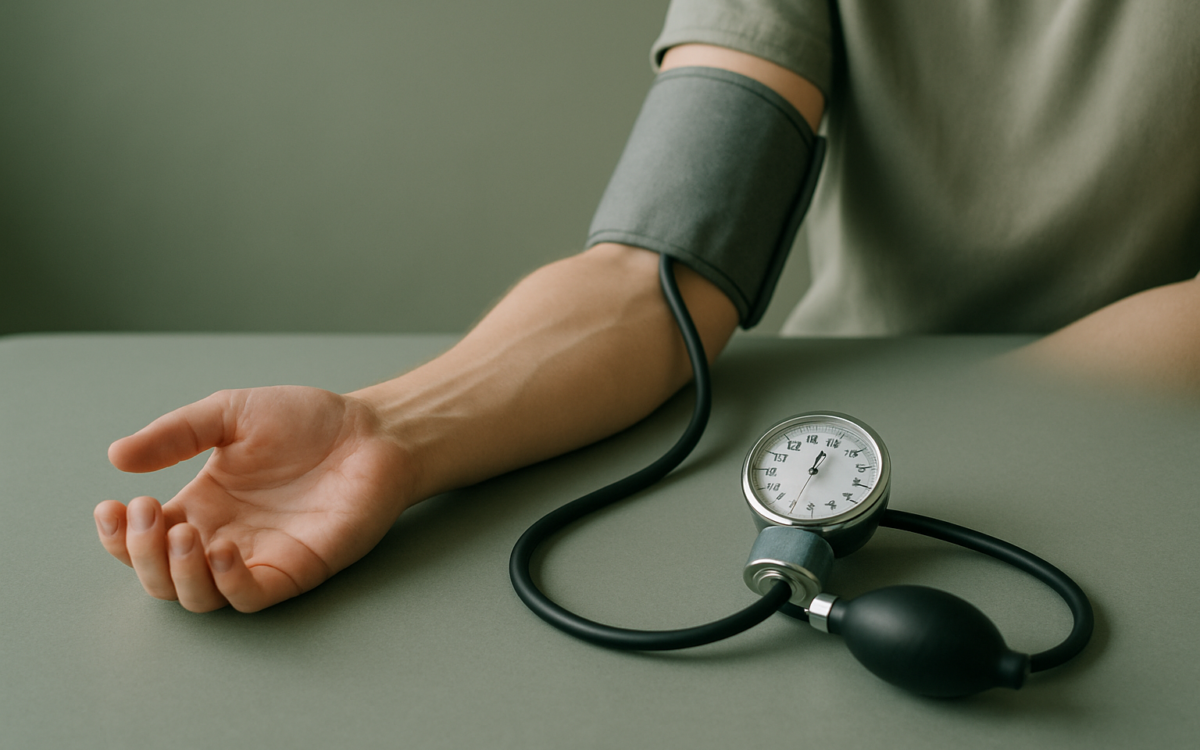
Blood pressure is a crucial aspect of overall health that often goes unnoticed until a problem arises. Understanding the symptoms of low and high blood pressure can help you better manage your well-being. In this article, we will explore what hypertension (high blood pressure) and hypotension (low blood pressure) are, their symptoms, and when you should consider consulting a healthcare provider.
What is Blood Pressure?
Blood pressure measures the force of blood against the walls of your arteries as your heart pumps it around your body. It is recorded with two numbers: systolic and diastolic. The systolic number (top number) indicates the pressure in your arteries when your heart beats, while the diastolic number (bottom number) gauges the pressure when your heart is at rest between beats.
Understanding High Blood Pressure (Hypertension)
High blood pressure, or hypertension, can go unnoticed for years without explicit symptoms, but it can lead to serious health issues like heart disease and stroke. It is often categorized as:
- Stage 1 Hypertension: Systolic 130-139 mmHg or Diastolic 80-89 mmHg
- Stage 2 Hypertension: Systolic 140 mmHg or higher or Diastolic 90 mmHg or higher
Symptoms of High Blood Pressure
While high blood pressure is often called the “silent killer” due to its hidden nature, some individuals may experience the following symptoms:
- Headaches, particularly in the morning
- Shortness of breath
- Nosebleeds
- Flushing or facial redness
- Visual changes, such as blurry or double vision
- Chest pain or a feeling of heaviness
If you experience severe headaches or chest pain along with other symptoms, seek medical advice promptly. You can learn more about high blood pressure from reputable sources like the CDC and the Mayo Clinic.
Understanding Low Blood Pressure (Hypotension)
Conversely, low blood pressure, or hypotension, is when blood pressure readings are below 90/60 mmHg. While it may not sound alarming, low blood pressure can lead to various complications, particularly if it causes inadequate blood flow to the organs.
Symptoms of Low Blood Pressure
People with low blood pressure may experience a range of symptoms, including:
- Dizziness or lightheadedness when standing up
- Fatigue or unusual tiredness
- Blurred vision
- Nausea
- Fainting or feeling faint
In severe cases, hypotension can result in shock, characterized by cold, clammy skin, rapid breathing, and confusion. If you experience severe symptoms or fainting, it’s advisable to seek immediate medical attention. More information about low blood pressure can be accessed through resources like the NIH.
Causes of High and Low Blood Pressure
Understanding the causes behind hypertension and hypotension is crucial for prevention and management.
Causes of High Blood Pressure
- Unhealthy diet, particularly high in salt
- Lack of physical activity
- Obesity
- Excessive alcohol consumption
- Chronic stress
- Age and genetics
Causes of Low Blood Pressure
- Dehydration or lack of fluids
- Prolonged bed rest
- Certain medications
- Severe infections or blood loss
- Nutritious deficiencies, particularly vitamin B12 and folate
Managing Blood Pressure
Understanding how to manage your blood pressure is essential for maintaining overall health. For high blood pressure, lifestyle changes may include:
- Eating a balanced diet low in salt
- Engaging in regular physical activity
- Losing weight if overweight
- Avoiding tobacco and reducing alcohol consumption
For low blood pressure, strategies might include:
- Staying hydrated
- Increasing salt intake under medical advice
- Avoiding alcohol
- Wearing compression stockings to improve circulation
Consulting a healthcare provider for tailored advice is always recommended. They can help you establish a balanced plan, which may include lifestyle changes or medication.
When to See a Doctor
If you frequently experience symptoms related to either high or low blood pressure, it’s important to consult a doctor. Early detection and management of these conditions can help prevent more serious health issues. Seek immediate medical attention if you encounter severe symptoms such as:
- Severe headache or visual changes
- Unexplained shortness of breath
- Chest pain or heaviness
- Confusion or fainting spells
Conclusion
Recognizing the symptoms of low and high blood pressure is key to maintaining your health. Understanding these signs allows you to take proactive steps toward managing your blood pressure effectively. Always consult your healthcare provider if you have concerns about your blood pressure or any symptoms you experience. Taking charge of your health is vital, and knowing what to watch for is the first step in that journey.
