
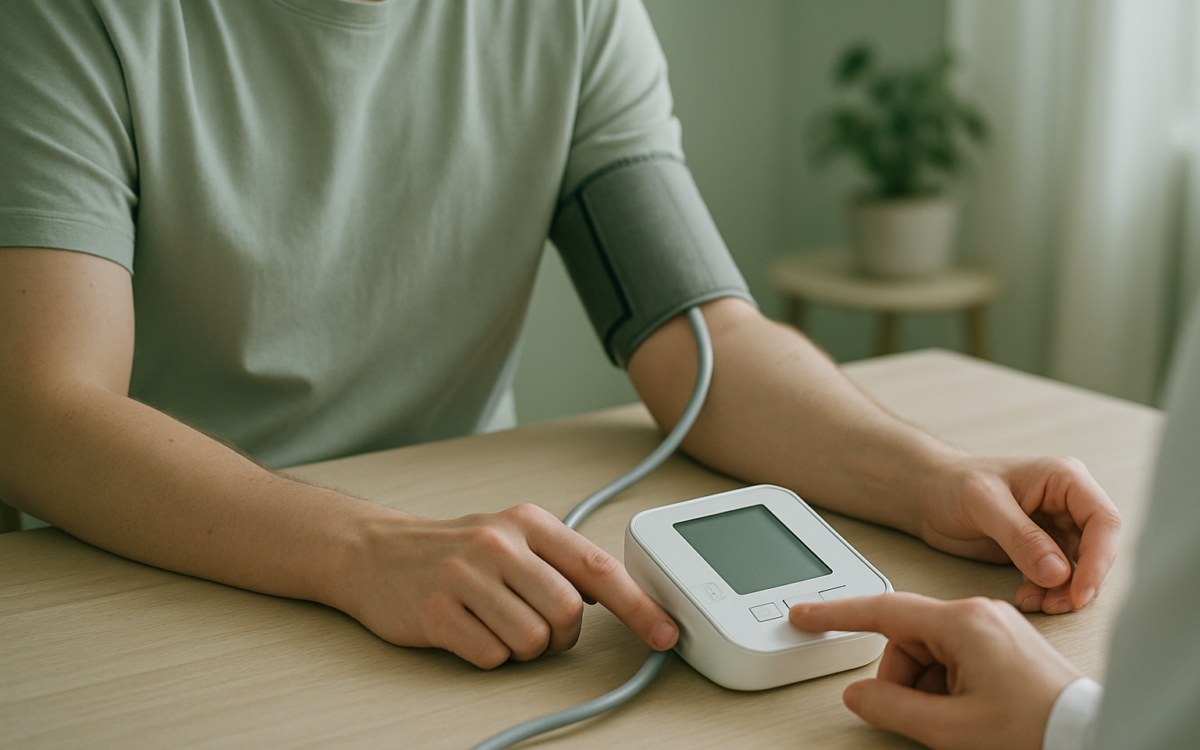
High blood pressure, also known as hypertension, affects millions of people worldwide. It can lead to serious health issues such as heart disease and stroke if left unchecked. Fortunately, there are effective methods to lower blood pressure naturally. By making small, manageable changes in your daily routine, you can improve your heart health and enhance your overall well-being.
Understanding Blood Pressure
Blood pressure is the force of blood pushing against the walls of your arteries. It is measured using two numbers: systolic (the pressure when your heart beats) over diastolic (the pressure when your heart rests between beats). A normal blood pressure reading is usually around 120/80 mm Hg. Values above this can indicate varying degrees of hypertension. Understanding your numbers is crucial for maintaining your health.
Adopting a Heart-Healthy Diet
Your diet plays a significant role in managing blood pressure. Here are some dietary habits that can help:
- Embrace the DASH Diet: The Dietary Approaches to Stop Hypertension (DASH) diet emphasizes fruits, vegetables, whole grains, and lean proteins. It restricts salt, red meat, and added sugars, which can contribute to higher blood pressure.
- Reduce Sodium Intake: Lowering your sodium intake is one of the most effective ways to control blood pressure. Aim for less than 2,300 mg of sodium per day, or even 1,500 mg for those with hypertension. Read food labels and choose low-sodium options.
- Increase Potassium-Rich Foods: Foods high in potassium, like bananas, spinach, and sweet potatoes, help balance sodium levels in the body and can reduce blood pressure.
- Limit Alcohol Consumption: Drinking alcohol in moderation can benefit heart health. Aim for no more than one drink per day for women and two for men.
Boosting Physical Activity
Regular exercise is another cornerstone in the fight against high blood pressure. Here’s how to incorporate more activity into your life:
- Aim for Regular Aerobic Exercise: Engaging in at least 150 minutes of moderate aerobic activity, such as brisk walking or cycling, each week can help lower blood pressure. Even small bouts of activity can add up over the week.
- Include Strength Training: Incorporating strength training exercises at least two days a week can also have significant benefits for your heart health.
- Make it Fun: Choose activities that you enjoy to ensure you stick with them. Dancing, swimming, or group classes can be great ways to get moving.
Managing Stress Effectively
Chronic stress can contribute to rising blood pressure. Here are strategies to help keep stress in check:
- Practice Mindfulness and Relaxation Techniques: Techniques like deep breathing, meditation, and yoga can help reduce stress and lower blood pressure.
- Stay Connected: Spending time with friends and family can provide emotional support and relieve stress. Make time for social activities, even if they are virtual.
- Prioritize Sleep: Aim for 7-9 hours of quality sleep each night. Poor sleep quality or insufficient sleep can negatively impact blood pressure.
Maintaining a Healthy Weight
Carrying extra weight can increase your risk of developing high blood pressure. Here’s how to achieve and maintain a healthy weight:
- Set Realistic Goals: Aim to lose 1 to 2 pounds per week if you need to shed some weight. Even a small amount of weight loss can make a difference.
- Keep a Food Diary: Tracking your food intake can help you stay aware of your eating habits and encourage healthier choices.
- Stay Active: Combining a healthy diet with regular exercise is the most effective way to control your weight in the long run.
Monitoring Your Blood Pressure
Regularly checking your blood pressure is a vital part of managing your heart health. You can monitor your blood pressure at home using a digital blood pressure monitor. Make sure to take your readings at the same time each day for consistency. Record your readings to discuss with your healthcare provider during visits.
Blood Pressure Guidelines
Following the guidelines provided by the American Heart Association can help you understand what blood pressure levels you should aim for and when to take action. Guidelines suggest that readings of 130/80 mm Hg or higher indicate the need for lifestyle changes or medication to manage hypertension.
When to See a Doctor
If you experience consistently high blood pressure readings or any concerning symptoms, such as severe headaches, shortness of breath, or vision changes, it’s important to consult a healthcare professional. Regular check-ups can help identify any emerging health issues and tailor a management plan suited to your needs. For detailed information, visit the CDC or Mayo Clinic.
Making positive lifestyle changes can help lower your blood pressure, reduce health risks, and improve your overall quality of life. Every small step counts, so start today for a healthier heart tomorrow.
