
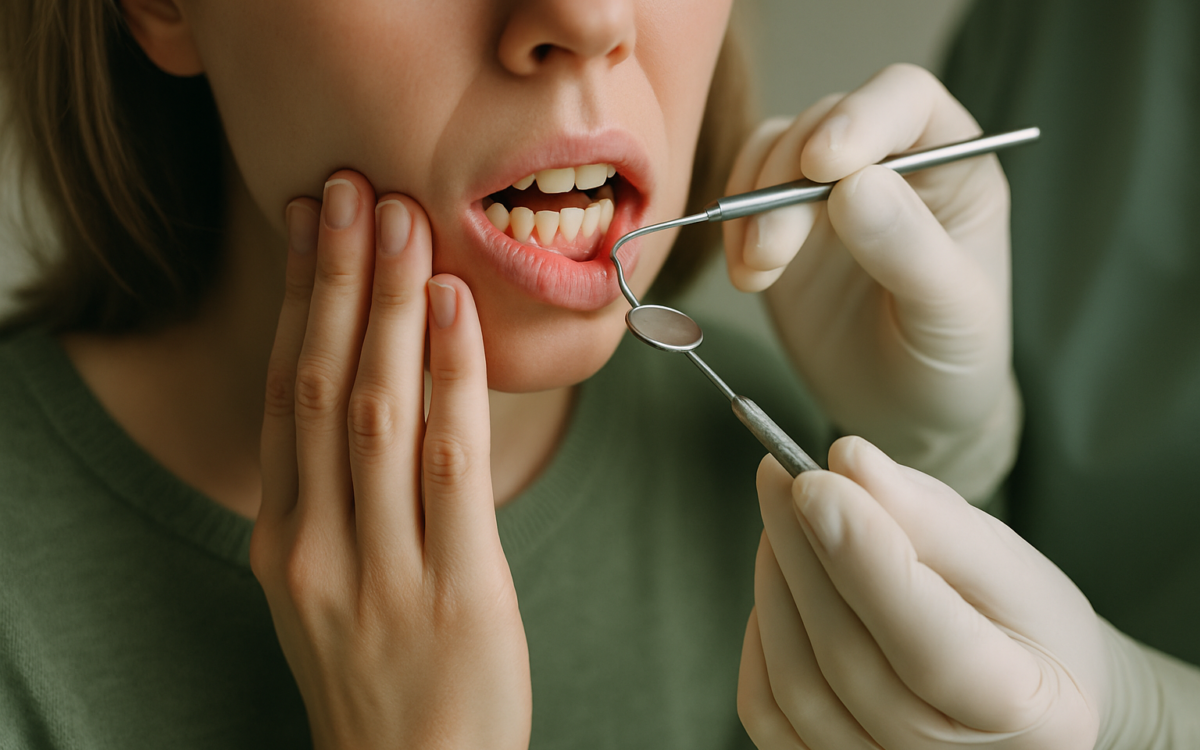
Your smile is one of the first things people notice about you, and maintaining good oral health is vital for not only your appearance but your overall well-being. Periodontal diseases, also known as gum diseases, can pose a serious threat to your oral health. Understanding the symptoms can help you identify when something might be wrong and seek appropriate care. In this article, we will explore the various symptoms of periodontal diseases that you should watch for and how they can impact your health.
What is Periodontal Disease?
Periodontal disease refers to infections that affect the structures around the teeth, including the gums and the bone that supports your teeth. It generally begins with gingivitis, characterized by inflammation of the gums due to plaque buildup. If left untreated, gingivitis can progress to a more severe form known as periodontitis, which can lead to tooth loss and other serious health issues. Early recognition of symptoms is crucial in preventing progression.
Common Symptoms of Periodontal Diseases
Many people may not realize they have a periodontal disease until it has progressed. Here are some common symptoms to be aware of:
- Swollen or Red Gums: Healthy gums should be firm and pink. If you notice that your gums are swollen, red, or tender, this may be an early sign of gum disease. According to the Mayo Clinic, even minor cases of gum inflammation can evolve into serious periodontal diseases if ignored.
- Bleeding While Brushing or Flossing: Bleeding gums during brushing or flossing is a significant indicator of gingivitis. You should not experience bleeding from healthy gums, so if this occurs regularly, it’s important to consult with a dentist.
- Persistent Bad Breath: Also known as halitosis, persistent bad breath despite regular brushing and mouthwash can be a result of the bacteria present in gum disease. If this is a recurring issue for you, it could be worth discussing with a dental professional.
- Receding Gums: Recession of the gums makes your teeth appear longer. If your gums are pulling away from your teeth, it can create pockets that can harbor bacteria, leading to further disease. This symptom is often a sign of advancing periodontal disease.
- Tooth Mobility or Loss: As periodontal diseases progress, they can lead to the loss of teeth. If your teeth feel loose or you notice gaps forming between your teeth, this could indicate serious gum disease and requires immediate attention.
The Role of Plaque in Periodontal Disease
Plaque is a sticky film of bacteria that forms on your teeth. If not removed through regular brushing and flossing, it can harden into tartar, which requires professional cleanings to remove. This buildup can irritate the gums, resulting in symptoms of gum disease. According to a study published by the National Institutes of Health (NIH), maintaining good oral hygiene is essential for preventing plaque buildup and, subsequently, periodontal diseases.
Potential Complications of Untreated Periodontal Disease
Ignoring symptoms of periodontal disease can lead to a series of health complications. Beyond the immediate effects on your teeth and gums, research shows that periodontal disease has been linked to several systemic health issues, including:
- Heart Disease: Studies suggest a connection between periodontal disease and heart disease, indicating that inflammation in the mouth may have a wider impact on your cardiovascular health.
- Diabetes: There’s a two-way relationship between diabetes and periodontal disease. Those with diabetes are more likely to develop gum disease, and infections can make it harder to control blood sugar levels.
- Respiratory Issues: Inhalation of bacteria from the mouth into the lungs can lead to respiratory infections and complications, especially in individuals with existing respiratory conditions.
Preventing Periodontal Diseases: Tips for Oral Health
The good news is that many cases of periodontal disease can be prevented with proper oral hygiene practices. Here are some tips to help you keep your gums and teeth healthy:
- Brush your teeth at least twice a day with fluoride toothpaste.
- Floss daily to remove plaque between your teeth and along the gum line.
- Visit your dentist for regular check-ups and cleanings, at least twice a year.
- Avoid tobacco products, as smoking is a significant risk factor for developing gum disease.
- Maintain a balanced diet rich in vitamins and minerals that support gum health, such as Vitamin C.
When to See a Doctor
If you notice any symptoms of periodontal disease, such as swelling, bleeding gums, or persistent bad breath, it’s essential to consult a dentist. Early intervention can prevent the condition from worsening and ensure long-term oral health. Don’t wait for symptoms to escalate; proactive care is the best defense.
Conclusion
Understanding the symptoms of periodontal diseases is crucial for maintaining your oral health. Regular dental visits, combined with good oral hygiene practices, can help you avoid the complications associated with gum disease. Stay aware of your symptoms, and don’t hesitate to reach out to a healthcare professional if you have concerns about your mouth or teeth. Your smile deserves the best care!
