
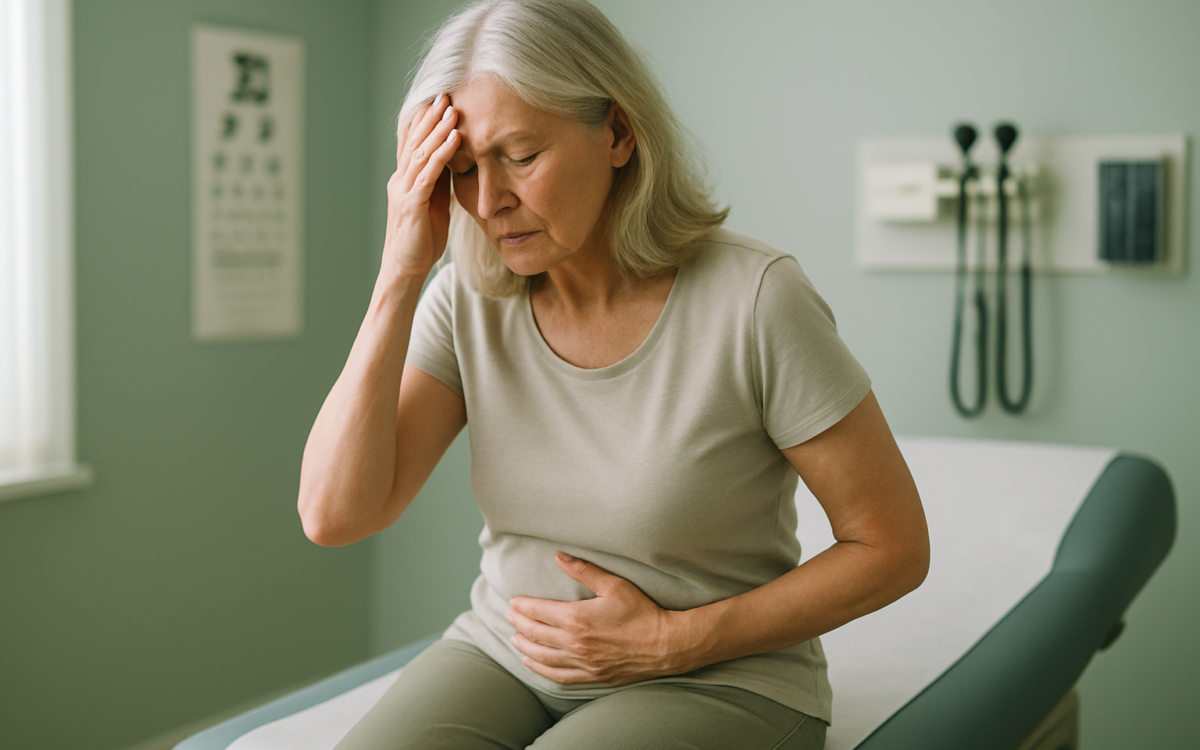
Reaching the age of 60 can be a significant milestone, especially for women transitioning through post-menopause. While menopause is often considered a discrete event, the changes it brings can extend well beyond the last menstrual period. Many women experience an array of symptoms that can impact their quality of life. This article aims to shed light on what to expect during this period and the strategies for managing post-menopause symptoms.
Common symptoms post-menopause
Post-menopausal symptoms can vary widely from one woman to another. Some may experience debilitating issues, while others might have minimal discomfort. Here are several common symptoms that typically arise:
- Hot flashes: Often a hallmark of menopause, hot flashes can continue to occur post-menopause, leading to sudden feelings of warmth, flushing, and sweating.
- Night sweats: Night sweats can disrupt sleep, leaving a woman feeling fatigued. This can be quite distressing for many.
- Vaginal dryness: The decrease in estrogen can lead to thinning of vaginal tissues, resulting in dryness and discomfort during intercourse.
- Changes in mood: Hormonal fluctuations can contribute to mood swings, anxiety, or depression, which may persist post-menopause.
- Weight gain: Many women find it challenging to maintain their weight during and after menopause due to metabolic changes.
Understanding the causes
The primary cause of post-menopause symptoms is the significant drop in estrogen and progesterone levels as the body transitions out of its reproductive years. These hormones are crucial for various bodily functions, including regulating mood, maintaining bone density, and supporting the reproductive system. As levels decrease, women may notice a change in their physical and emotional health.
Managing symptoms effectively
While the symptoms of post-menopause can be uncomfortable, there are several strategies to manage them effectively:
Lifestyle changes
Adopting a healthier lifestyle can make a substantial difference. Regular exercise, a balanced diet, and sufficient hydration can help alleviate many symptoms.
Hormone replacement therapy (HRT)
Hormone replacement therapy is an option for some women to mitigate severe symptoms. However, discussing the benefits and risks with a healthcare provider is essential. Studies suggest that HRT can improve quality of life, but it may carry specific health risks for certain individuals (NIH).
Alternative therapies
Many women turn to complementary therapies such as acupuncture, herbal supplements, or mindfulness practices to ease their symptoms. While some find relief, it’s essential to consult your doctor before starting any new treatment.
Seeking international treatment
For those considering advanced options or specialized care, exploring international patient services can provide valuable solutions tailored to individual needs. Some clinics overseas offer innovative treatments that might not be readily available in your home country.
Preventative health measures
Beyond managing current symptoms, it’s important to consider long-term health. Post-menopausal women are at an increased risk for several conditions, such as osteoporosis and heart disease. Regular screenings and discussions with your healthcare provider should include:
- Bone density tests: To assess bone health and risk for osteoporosis.
- Mammograms: Continued screening for breast cancer is vital.
- Cardiovascular health assessments: Monitoring blood pressure, cholesterol, and overall heart health.
Emotional wellness during post-menopause
Emotional and psychological changes are not uncommon during post-menopause. Some women may experience anxiety, depression, or a sense of loss related to their reproductive years. Building a supportive community—whether through friends, family, or support groups—can significantly enhance emotional wellness. Open communication with loved ones and healthcare professionals plays a crucial role in navigating these feelings effectively.
When to see a doctor
While many post-menopause symptoms are manageable, knowing when to seek medical advice is critical. If you experience any of the following, schedule an appointment with your healthcare provider:
- Severe or persistent hot flashes or night sweats that disrupt daily life
- Vaginal dryness affecting sexual activity or causing pain
- Significant mood changes or symptoms of depression
- Unexplained weight gain or other health concerns
Conclusion
Entering post-menopause at the age of 60 brings unique challenges and symptoms. However, understanding what to expect and how to manage these changes can significantly enhance your well-being. From lifestyle modifications to professional guidance, a proactive approach empowers women to navigate this phase of life with confidence and grace. Always consult a healthcare provider for personalized advice and support tailored to your individual needs.
