
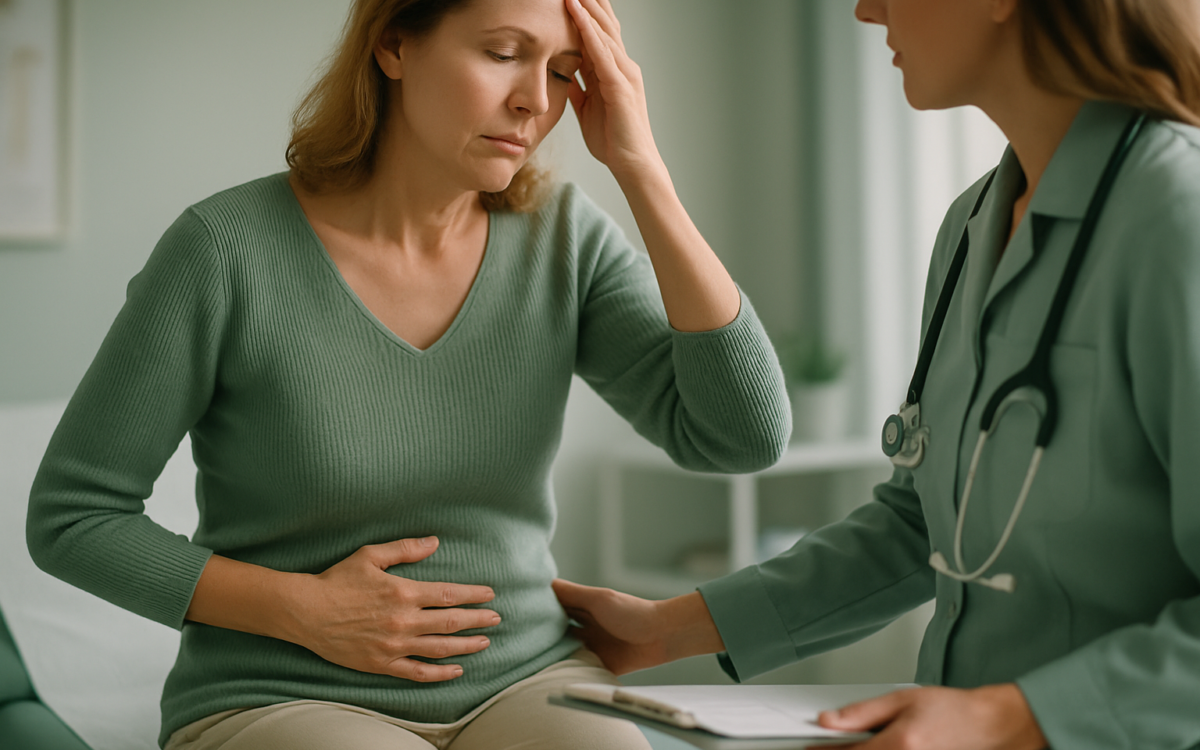
As women transition into their 40s, many begin to notice changes in their bodies that can be confusing and concerning. These changes often signal the onset of pre-menopause, a stage that leads up to menopause itself. Understanding pre-menopause symptoms is essential for managing this natural transition in a healthy way.
What is Pre-Menopause?
Pre-menopause refers to the time leading up to menopause, which is defined as having gone 12 consecutive months without a menstrual period. During this phase, which can last several years, women may experience a variety of symptoms related to fluctuating hormone levels, particularly estrogen and progesterone. These hormonal shifts can impact physical health, emotional well-being, and daily life.
Common Symptoms of Pre-Menopause
Identifying the signs of pre-menopause can help you better understand what your body is encountering. Here are some common symptoms:
- Irrregular Periods: One of the hallmark signs is changes in your menstrual cycle. Periods may become shorter, longer, heavier, lighter, or more irregular.
- Hot Flashes and Night Sweats: Many women notice sudden feelings of heat, often with sweating and flushing, that can disrupt daily activities and sleep.
- Sleep Disturbances: Difficulty falling asleep or staying asleep can occur due to hormonal fluctuations, exacerbated by night sweats.
- Mood Swings: Hormonal changes may lead to mood fluctuations, including irritability, anxiety, and depression.
- Weight Gain: Changes in metabolism and body composition often result in weight gain, particularly around the abdomen.
- Vaginal Changes: Some women experience dryness or discomfort in the vaginal area due to reduced estrogen levels.
The Causes Behind Pre-Menopause Symptoms
The primary cause of pre-menopause symptoms is the fluctuation of hormones, especially estrogen and progesterone. As a woman approaches menopause, her ovaries gradually produce lower levels of these hormones. This can lead to the various symptoms mentioned above. Additionally, factors such as stress, lifestyle choices, and genetics can influence the intensity and presence of these symptoms.
Lifestyle Changes to Manage Symptoms
While pre-menopause can present challenges, several lifestyle changes may help alleviate symptoms:
- Regular Exercise: Physical activity can improve mood, enhance sleep quality, and manage weight. Aim for at least 150 minutes of moderate aerobic activity each week.
- Balanced Diet: Consuming a diet rich in fruits, vegetables, whole grains, and lean proteins can support overall health and help manage weight. Omega-3 fatty acids found in fish may also reduce hot flashes.
- Stress Management: Techniques such as yoga, meditation, and mindfulness can reduce stress and improve mood. Finding time for relaxation is crucial.
- Sleep Hygiene: Establishing a regular sleep routine, creating a comfortable sleep environment, and avoiding caffeine and electronic devices before bed can improve sleep quality.
When to See a Doctor
While experiencing pre-menopause symptoms can be a normal part of aging, it is important to consult a healthcare provider if:
- You experience symptoms that disrupt your daily life or make it hard to cope.
- Your menstrual cycle changes abruptly or is accompanied by severe pain or bleeding.
- You have sudden mood changes that affect your relationships or responsibilities.
- You are struggling with sleep issues or weight gain that hasn’t improved with lifestyle adjustments.
Seeing a doctor can help rule out other conditions and guide you toward effective management strategies. Various resources are available, including the National Heart, Lung, and Blood Institute and the Mayo Clinic, offering valuable information on menopause and pre-menopause.
Conclusion
Pre-menopause is a natural stage in a woman’s life, often marked by various physical and emotional changes. By understanding these symptoms and implementing healthy lifestyle choices, women can better navigate this transition. Remember, it’s important to consult with a healthcare provider for personalized advice and to address any concerning symptoms. With the right support and knowledge, this period can be a smoother passage into a new phase of life.
