
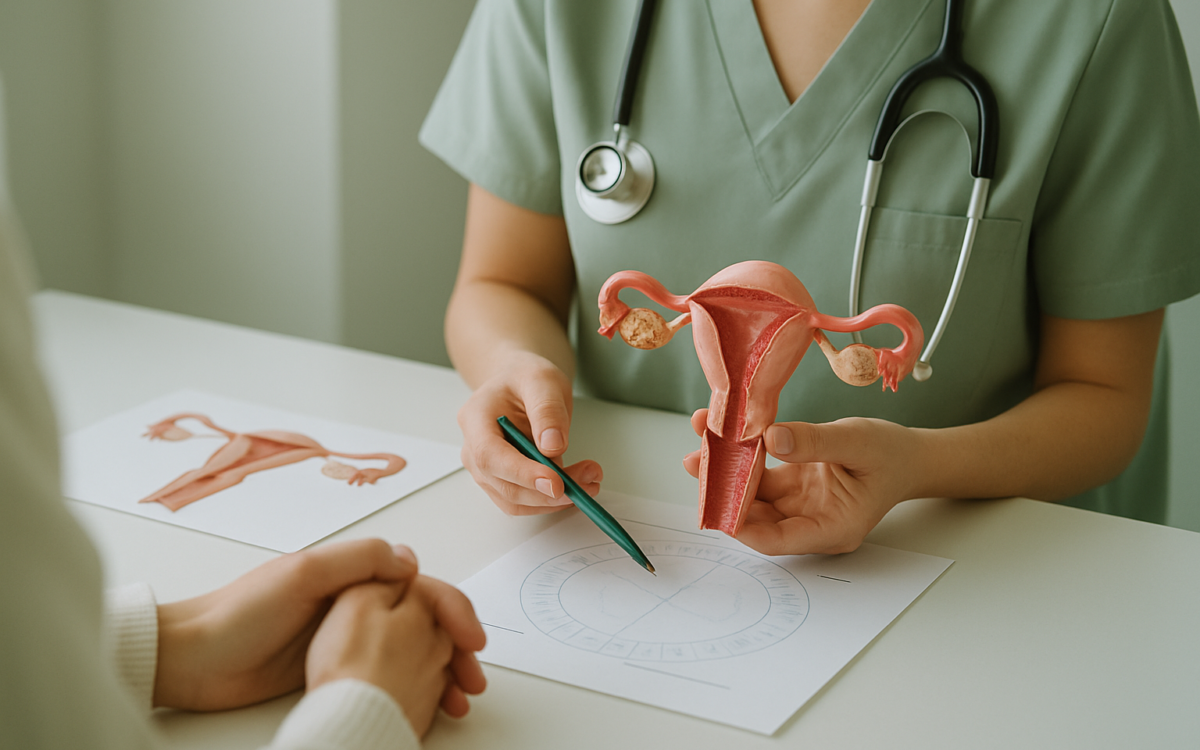
Ovarian syndrome, often referred to in the context of Polycystic Ovary Syndrome (PCOS), is a common health issue that affects many women. Understanding the causes behind this condition is crucial for managing its symptoms and improving overall health. In this article, we will explore the various factors that contribute to ovarian syndromes, like hormonal imbalances and genetic predispositions.
What is Ovarian Syndrome?
Ovarian syndrome is characterized by a range of symptoms that often include irregular menstrual cycles, excess hair growth, acne, and weight gain. It is sometimes associated with polycystic ovaries, where small fluid-filled sacs develop on the ovaries. This condition can impact fertility and lead to other health issues, such as diabetes and heart disease. Understanding the underlying causes can help pave the way for effective treatments.
Hormonal Imbalances
One of the key factors in ovarian syndrome is hormonal imbalance. Hormones such as estrogen, progesterone, and androgens play vital roles in regulating the menstrual cycle and reproductive function. In many women with ovarian syndrome, insulin levels may also be higher, leading to insulin resistance. This imbalance can cause the ovaries to produce more androgens (male hormones), disrupting normal ovulation and menstrual cycles.
Insulin Resistance
Insulin resistance is a significant component of many cases of ovarian syndrome. When the body becomes resistant to insulin, it leads to higher insulin levels that can contribute to weight gain and the production of excess male hormones. Studies show that as many as 70% of women with PCOS may experience insulin resistance, which can lead to a higher risk of developing Type 2 diabetes. For more information on insulin resistance, you can visit the NIH website.
Genetic Factors
Genetics also play an important role in ovarian syndrome. Research suggests that women with a family history of ovarian syndrome or related conditions may have a higher risk of developing the syndrome themselves. Genetic predisposition can influence hormone levels and insulin sensitivity, making it crucial to understand any familial trends when assessing personal health risks.
Environmental Influences
Environmental factors can also contribute to the development of ovarian syndrome. Research has shown that obesity and sedentary lifestyles can exacerbate symptoms of ovarian syndrome. Furthermore, exposure to certain chemicals and endocrine disruptors, which can be found in some plastics and personal care products, may also impact hormonal balance. For guidance on the health effects of environmental factors, you can turn to resources from the World Health Organization.
Lifestyle Choices
Adopting unhealthy lifestyle choices, such as poor diet and lack of exercise, can contribute to the symptoms of ovarian syndrome. Diets high in refined carbohydrates and sugars can worsen insulin resistance and hormonal imbalances. Engaging in regular physical activity not only helps in maintaining a healthy weight but can also improve insulin sensitivity and hormonal regulation.
Other Potential Causes
There are several other factors that may contribute to ovarian syndrome. Stress, for instance, can significantly impact hormonal levels and menstrual cycles. Chronic stress can lead to elevated cortisol levels, which may exacerbate insulin resistance. Additionally, conditions like adrenal gland disorders can also influence hormone production, thereby affecting ovarian function.
When to See a Doctor
If you are experiencing symptoms associated with ovarian syndrome, such as irregular periods, excessive hair growth, or difficulty in conceiving, it’s important to consult a healthcare professional. A doctor can conduct proper assessments and recommend potential treatments tailored to your needs.
Conclusion
Understanding the causes of ovarian syndrome is essential for managing the condition effectively. Hormonal imbalances, genetics, environmental factors, lifestyle choices, and other underlying issues all contribute to the complexity of this syndrome. By recognizing these causes, women can take proactive steps towards better health and seek the appropriate medical guidance when necessary. If you have concerns about ovarian syndrome, don’t hesitate to reach out to your doctor for more information and support.
