
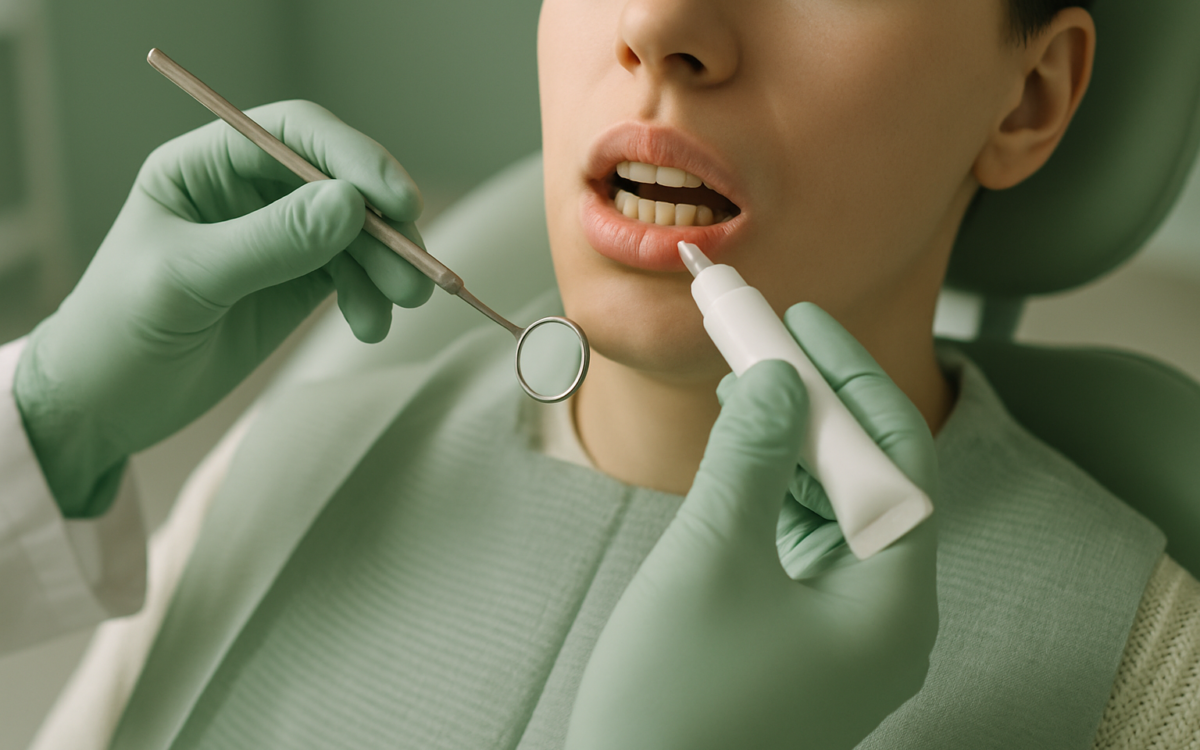
Swollen gums can be both uncomfortable and alarming. They often signal underlying issues that require attention. Understanding the causes, effective treatments, and preventive measures can help you maintain your gum health and overall well-being.
What Causes Swollen Gums?
Swollen gums, also known as gingival swelling, can arise from various factors, largely related to oral hygiene and health. Here are some common causes:
- Poor Oral Hygiene: Inadequate brushing and flossing can lead to the accumulation of plaque—a sticky film of bacteria—on your teeth and gums, resulting in inflammation.
- Gingivitis: Often the first stage of gum disease, gingivitis is marked by red, swollen gums that may bleed during brushing. It is usually reversible with improved oral care.
- Periodontitis: This more severe gum disease occurs when gingivitis is left untreated, leading to the destruction of the tissue and bone supporting your teeth. Symptoms include persistent swelling, bad breath, and eventual tooth loss.
- Infections: Bacterial or viral infections can cause gum inflammation. Conditions like oral thrush or herpes simplex virus may also lead to swollen gums.
- Medication Side Effects: Some medications, including certain antihypertensives and anticonvulsants, can cause gum overgrowth or swelling as a side effect.
- Hormonal Changes: Hormonal fluctuations during pregnancy, menstruation, or menopause can make gums more sensitive and prone to swelling.
Treating Swollen Gums at Home
Fortunately, there are several strategies you can adopt to treat swollen gums at home. While these methods can be effective, it’s essential to consult your healthcare provider for persistent issues.
- Practice Good Oral Hygiene: Brush your teeth at least twice a day and floss daily. Consider using an antibacterial mouthwash to help reduce plaque.
- Rinse with Salt Water: A warm saltwater rinse can soothe swollen gums and help reduce inflammation. Mix one teaspoon of salt in a cup of warm water and swish for about 30 seconds.
- Apply Cold Compresses: If your gums are painful, a cold compress applied to the outside of your cheek can numb discomfort and reduce swelling.
- Stay Hydrated: Drink plenty of water to help keep your mouth moist and reduce bacteria buildup. Avoid sugary drinks that can worsen gum issues.
- Eat Balanced Meals: A nutritious diet rich in fruits, vegetables, and whole grains supports your dental health. Vitamin C can be particularly helpful for gum health.
Professional Treatments for Severe Cases
For more severe cases of swollen gums, particularly when associated with gum disease, professional dental care may be required.
- Scaling and Root Planing: This deep-cleaning procedure removes plaque and tartar from below the gum line and smooths the root surfaces, making it harder for bacteria to attach.
- Antibiotics: In cases of bacterial infection or periodontitis, your dentist may prescribe antibiotics to help eliminate infection and reduce inflammation.
- Surgical Options: In severe gum disease cases, surgeries such as flap surgery or bone grafting may be necessary to restore and support healthy gum tissue.
Preventing Swollen Gums
Prevention is key to maintaining gum health and avoiding swollen gums in the first place. Here are some effective ways to reduce your risk:
- Regular Dental Visits: Schedule regular check-ups with your dentist every six months. These visits help detect issues early and keep your mouth healthy.
- Use the Right Tools: Invest in a good toothbrush and dental products that suit your needs, such as a soft-bristled toothbrush and fluoride toothpaste.
- Avoid Tobacco: Smoking or using tobacco products increases your risk for gum disease and can worsen swelling and inflammation.
- Manage Stress: High stress levels can negatively impact your immune system, making it harder for your body to fight infections, including those affecting your gums.
When to See a Doctor
If you notice swollen gums that persist for more than a week, or if they are accompanied by severe pain, bleeding, or pus, it’s essential to seek professional dental care. These symptoms may indicate a more serious condition requiring immediate attention.
Conclusion
Swollen gums can be an uncomfortable and worrisome issue, but understanding the causes and treatments can empower you to take charge of your oral health. By practicing good hygiene, seeking timely treatment, and incorporating preventive measures, you can maintain healthy gums for years to come. Remember, never hesitate to consult your healthcare provider if you have questions or concerns about your gum health.
