
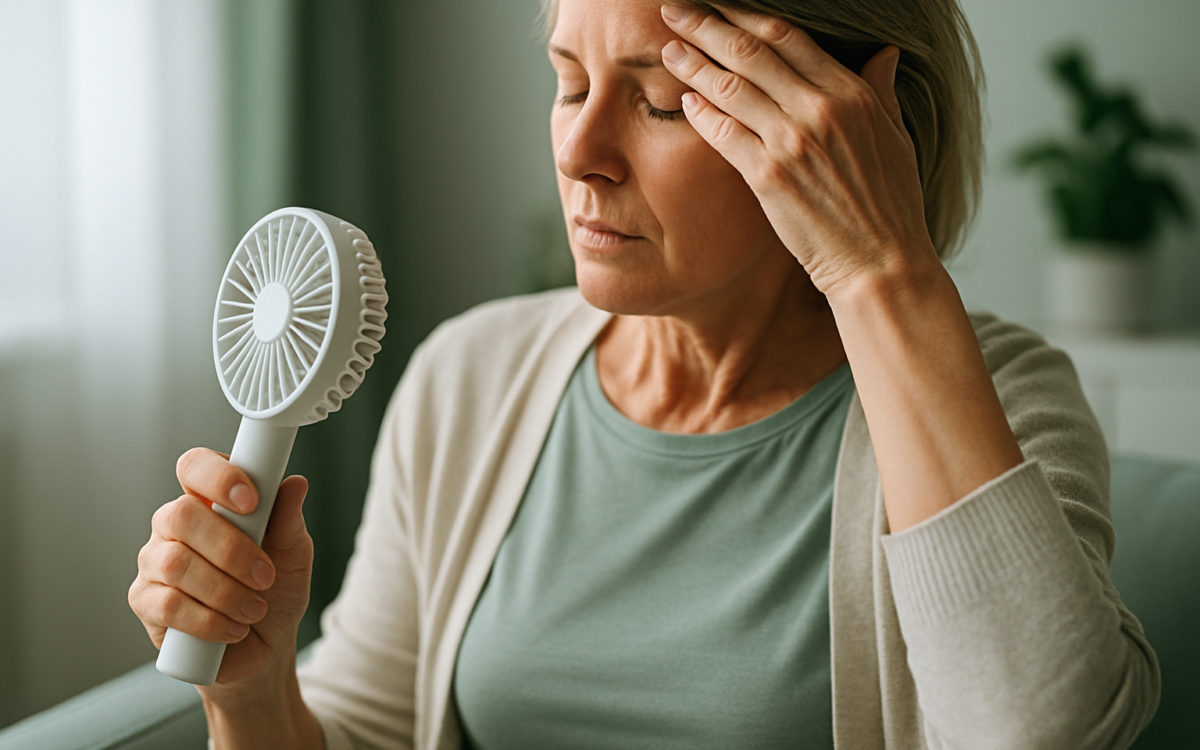
Hot flashes can be an uncomfortable experience, often catching women off guard during menopause. These sudden waves of heat can cause sweating, rapid heartbeats, and discomfort, making daily activities challenging. Fortunately, there are practical strategies to help ease hot flashes quickly. This article explores natural methods to manage this common symptom effectively.
Understanding Hot Flashes
Hot flashes occur as hormonal changes take place in a woman’s body, particularly during perimenopause and menopause. The decrease in estrogen causes changes in the hypothalamus, which regulates body temperature. As a result, you may experience sudden, intense feelings of heat that can last from a few seconds to several minutes.
Dress for Success: Choosing the Right Clothes
One of the simplest ways to cope with hot flashes is to adjust your wardrobe. Wearing loose, breathable clothing made of natural fabrics can help keep you cool. Consider the following tips:
- Lightweight Layers: Dress in layers that you can easily remove when a hot flash strikes.
- Breathable Fabrics: Opt for cotton or linen instead of polyester, which can trap heat.
- Moisture-Wicking Materials: Activewear is often made from materials that draw sweat away from your skin.
Cooling Techniques: Beat the Heat
In addition to your clothing choices, there are several cooling techniques you can implement to stop hot flashes fast:
- Cold Compress: Place a cold cloth or ice pack on your neck or wrists to cool down your body temperature.
- Fan Use: Carry a portable fan or use a ceiling fan in your home for a quick airflow boost during a hot flash.
- Hydration: Drinking cold water can help lower your body temperature and make you feel refreshed.
Dietary Adjustments to Minimize Hot Flashes
What you eat can have a significant impact on how you experience hot flashes. Consider incorporating the following dietary changes:
- Limit Spicy Foods: Spices can trigger hot flashes in some women, so consider cutting back.
- Avoid Caffeine and Alcohol: Both substances can lead to increased body temperature and worsen hot flashes.
- Embrace Phytoestrogens: Foods like soy products, flaxseed, and certain grains contain natural compounds that mimic estrogen and may help alleviate symptoms.
Mindfulness and Stress Reduction
Stress can often exacerbate hot flashes. Engaging in mindfulness practices can help you manage both stress and hot flashes:
- Meditation: Practicing meditation for just a few minutes daily can help relax your mind and body.
- Deep Breathing: When you feel a hot flash coming on, take slow, deep breaths to help calm your nervous system.
- Yoga: Gentle yoga or stretching can improve your overall well-being and help manage symptoms.
Natural Supplements and Remedies
Some women find relief from hot flashes through natural supplements. While not all remedies work for everyone, here are a few that have shown promise:
- Black Cohosh: This herb has been studied for its potential to reduce hot flash frequency and severity.
- Evening Primrose Oil: Some women report experiencing fewer hot flashes when using evening primrose oil supplements.
- Vitamin E: There is some evidence suggesting that vitamin E may reduce the severity of hot flashes.
Always consult with a healthcare provider before beginning any new supplement, as they can interact with other medications.
When to See a Doctor
If hot flashes persistently impact your quality of life or if you experience severe symptoms, it’s essential to consult with a healthcare professional. They can evaluate your symptoms and suggest personalized treatment options that may include hormone therapy or other medications. You can find more information on hot flashes from resources such as the Mayo Clinic and the National Institutes of Health.
Conclusion
Hot flashes can be daunting, but with the right strategies in place, you can find quicker relief. From adjusting your wardrobe to exploring dietary changes and incorporating mindfulness techniques, there are various options to help you manage these uncomfortable symptoms. Always discuss your experiences with a healthcare professional to ensure that you are addressing any underlying issues and finding the best path forward for your health.
