
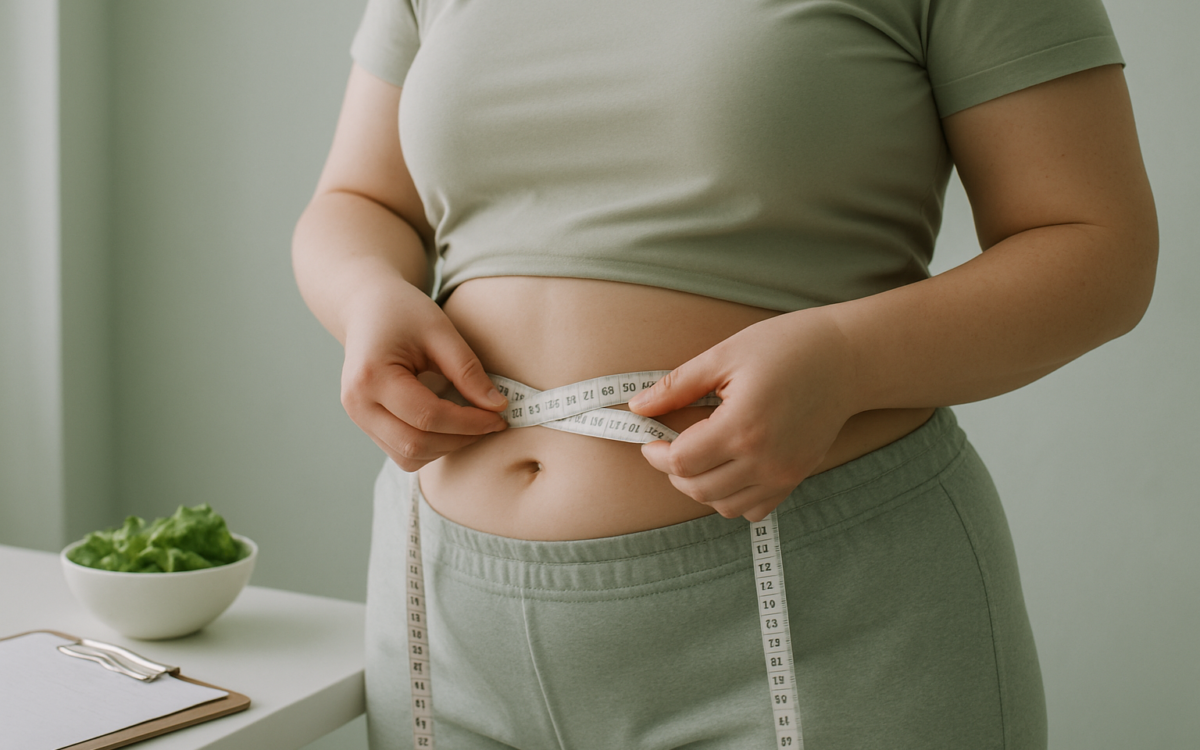
Polycystic ovary syndrome (PCOS) affects many women, leading to a range of symptoms, including weight gain. For those looking to manage their weight effectively while navigating the challenges of PCOS, understanding the condition and implementing suitable strategies is crucial. In this article, we will explore dietary approaches, exercise routines, and lifestyle changes that can help women with PCOS lose weight.
Understanding PCOS and Its Impact on Weight
PCOS is a hormonal disorder characterized by irregular menstrual cycles, excess androgen levels, and polycystic ovaries. One significant issue many women face with PCOS is weight management, primarily due to insulin resistance, which is when the body does not respond effectively to insulin. This can lead to increased fat storage and difficulties losing weight.
Research has shown that addressing insulin resistance can be key to weight loss for women with PCOS. This is why a focus on a healthy diet and active lifestyle is essential for managing both weight and the symptoms of PCOS. According to the NIH, maintaining a healthy weight can help regulate menstrual cycles and improve overall health.
Dietary Approaches for Weight Loss
A balanced diet is important for everyone, but for women with PCOS, specific dietary choices can make a significant difference in managing symptoms and promoting weight loss. Here are some effective approaches:
- Focus on Low Glycemic Index (GI) Foods: Choose foods that have a low GI, such as whole grains, legumes, nuts, seeds, fruits, and vegetables. These foods have a slower impact on blood sugar levels, which can help manage insulin levels.
- Increase Fiber Intake: High-fiber foods can help promote satiety and improve digestion. Incorporate fruits, vegetables, and whole grains into your diet.
- Limit Processed Foods and Sugars: Cutting back on sugary snacks and processed foods can help manage weight and reduce insulin spikes. Opt for whole, unprocessed foods instead.
- Healthy Fats are Key: Include sources of healthy fats, such as avocados, olive oil, and fatty fish, which can help you feel full and satisfied without overindulging.
- Consider Smaller, Frequent Meals: Eating smaller, more frequent meals can prevent blood sugar dips and spikes, which helps manage hunger and cravings.
The Role of Exercise
Physical activity is another essential component of a weight loss strategy for PCOS. Engaging in regular exercise can help combat insulin resistance, manage weight, and improve overall health. Here are a few exercise tips:
- Aim for Consistency: Aim for at least 150 minutes of moderate-intensity aerobic activity each week. Activities can include walking, cycling, swimming, or dancing.
- Include Strength Training: Building muscle through strength training exercises, such as weight lifting or bodyweight workouts, can increase your resting metabolic rate, helping you burn more calories over time.
- Incorporate Flexibility and Mind-Body Practices: Activities like yoga and Pilates can help reduce stress, improve your mood, and promote overall well-being, which is beneficial for weight management.
Lifestyle Changes to Support Weight Loss
Beyond diet and exercise, making specific lifestyle changes can enhance your weight loss journey with PCOS.
- Prioritize Sleep: Aim for 7-9 hours of sleep each night. Poor sleep can negatively impact metabolism and increase cravings, making weight loss more challenging.
- Practice Stress Management: High stress can lead to emotional eating and weight gain. Consider relaxation techniques like deep breathing, meditation, or hobbies to manage stress levels effectively.
- Stay Hydrated: Drinking plenty of water can help you feel full and satisfied, reducing the urge to snack unnecessarily.
If you’re considering seeking additional support, exploring treatment in Turkey may provide options for advanced therapies and approaches tailored to your needs.
Understanding the Role of Medications
In some cases, women with PCOS may benefit from medication to help with weight loss and hormonal regulation. Medications like metformin can help improve insulin sensitivity and support weight loss. Additionally, hormonal treatments may help balance menstrual cycles and reduce symptoms associated with PCOS.
It’s essential to consult with a healthcare professional before starting any medications. According to the Mayo Clinic, working with your doctor can help determine the best approach tailored to your particular health needs.
When to See a Doctor
If you’re struggling to lose weight or if PCOS symptoms are significantly affecting your quality of life, it’s important to speak with a healthcare provider. They can help assess your situation, provide targeted advice, and develop a comprehensive treatment plan that addresses your specific needs.
Finding effective ways to lose weight with PCOS is a journey that may require changes in diet, exercise, and lifestyle. With the right strategies and support, managing your weight and improving your overall health is achievable.
