
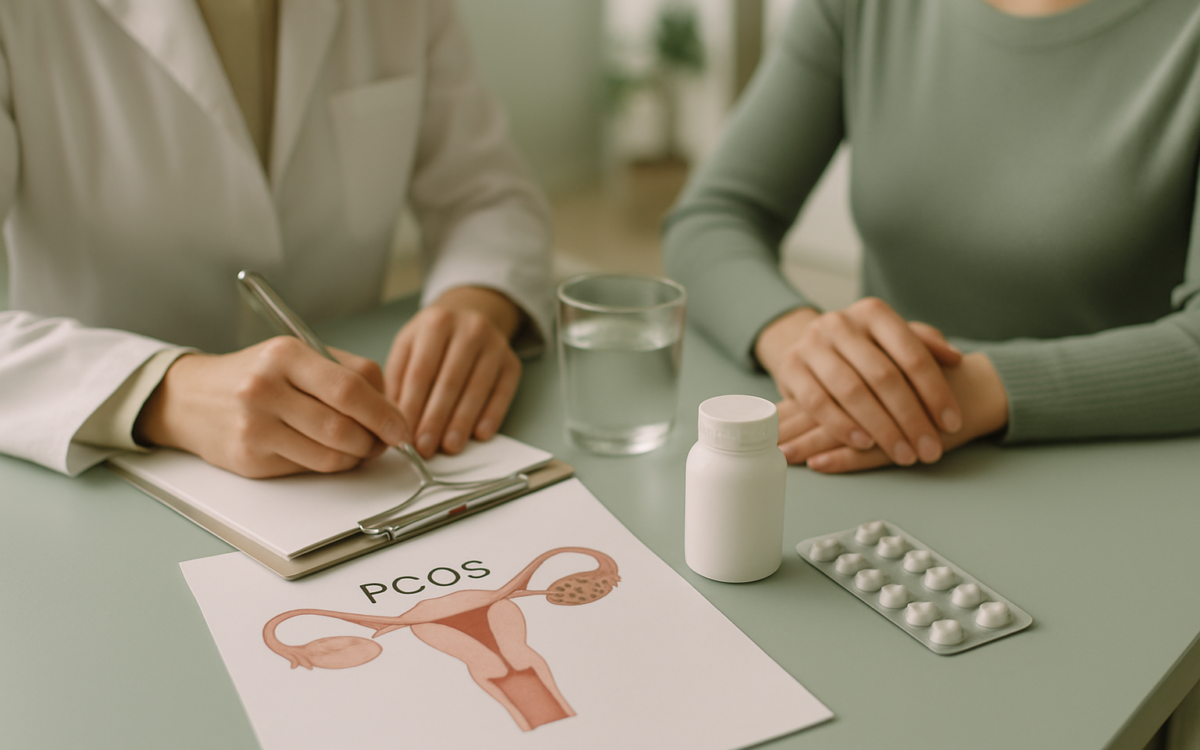
Polycystic ovary syndrome (PCOS) is a common hormonal disorder that affects people with ovaries, especially during their reproductive years. Many may feel overwhelmed by the information out there, but understanding how to manage PCOS can make a significant difference in your health and well-being. This article breaks down various treatment options and lifestyle changes that can help you navigate this condition.
Understanding PCOS
PCOS is characterized by a variety of symptoms, including irregular menstrual cycles, excessive hair growth, weight gain, and acne. The condition occurs when the ovaries produce higher levels of androgens, hormones that are often considered male hormones. This hormonal imbalance can lead to more than just reproductive issues; it can also affect metabolic health and increase the risk of type 2 diabetes and heart disease. For more information on PCOS, you can visit the NIH.
Lifestyle Changes to Manage Symptoms
Making positive lifestyle choices is a cornerstone of managing PCOS. Here are key areas to focus on:
Nutrition
Adopting a balanced diet can help manage PCOS symptoms. Focus on:
- Whole Foods: Incorporate fruits, vegetables, whole grains, and lean proteins into your meals.
- Low Glycemic Index (GI) Foods: Choose foods that have a low GI to help regulate blood sugar levels. Examples include legumes, leafy greens, and whole grains.
- Regular Meals: Eating smaller, more frequent meals can stabilize insulin levels.
Physical Activity
Regular exercise is crucial for managing PCOS symptoms. Aim for at least 150 minutes of moderate-intensity activity each week. Activities like walking, cycling, and swimming can improve insulin sensitivity and promote weight loss. Even short bouts of exercise can be effective; consistency is key.
Weight Management
Many individuals with PCOS struggle with weight management. Even a modest weight loss of 5-10% can significantly improve symptoms and regulate menstrual cycles. If you’re unsure where to start, consulting a registered dietitian may offer personalized guidance.
Medical Treatments for PCOS
If lifestyle changes aren’t enough to manage your symptoms, several medical treatments may help:
Hormonal Birth Control
For many, hormonal contraceptives are the first line of treatment. They help regulate menstrual cycles and can reduce symptoms like acne and excessive hair growth by lowering androgen levels.
Insulin-Sensitizing Medications
Medications such as metformin help improve insulin sensitivity, making it easier for the body to regulate blood sugar levels. This can be particularly helpful for those who are overweight or have type 2 diabetes alongside PCOS.
Fertility Treatments
If you are trying to conceive, medications like clomiphene or letrozole may help induce ovulation. More advanced treatments, such as in vitro fertilization (IVF), may be considered depending on individual circumstances.
Emotional Well-being and Support
PCOS can impact mental health due to its physical symptoms and the challenges of managing the condition. It’s vital to address emotional well-being. Here are some supportive options:
Counseling and Support Groups
Consider talking to a counselor or psychologist who understands the complexities of PCOS. Joining support groups can also provide comfort through shared experiences with others facing similar challenges.
Mindfulness and Stress Reduction
Stress can exacerbate symptoms of PCOS. Practices like yoga, meditation, and deep breathing can reduce stress and improve overall well-being.
When to See a Doctor
If you suspect you have PCOS or experience any concerning symptoms, it’s important to consult your healthcare provider. Early diagnosis can lead to effective management and help prevent long-term complications, such as diabetes and heart disease. If you’re experiencing severe symptoms or have questions about treatment options, do not hesitate to seek professional advice.
Conclusion
Managing PCOS may feel daunting, but understanding your condition and exploring treatment options can empower you to take control of your health. Whether through lifestyle changes, medical treatments, or mental health care, every step you take can lead to a better quality of life. Always consider discussing your symptoms and management plans with your healthcare provider for the best individualized care.
