
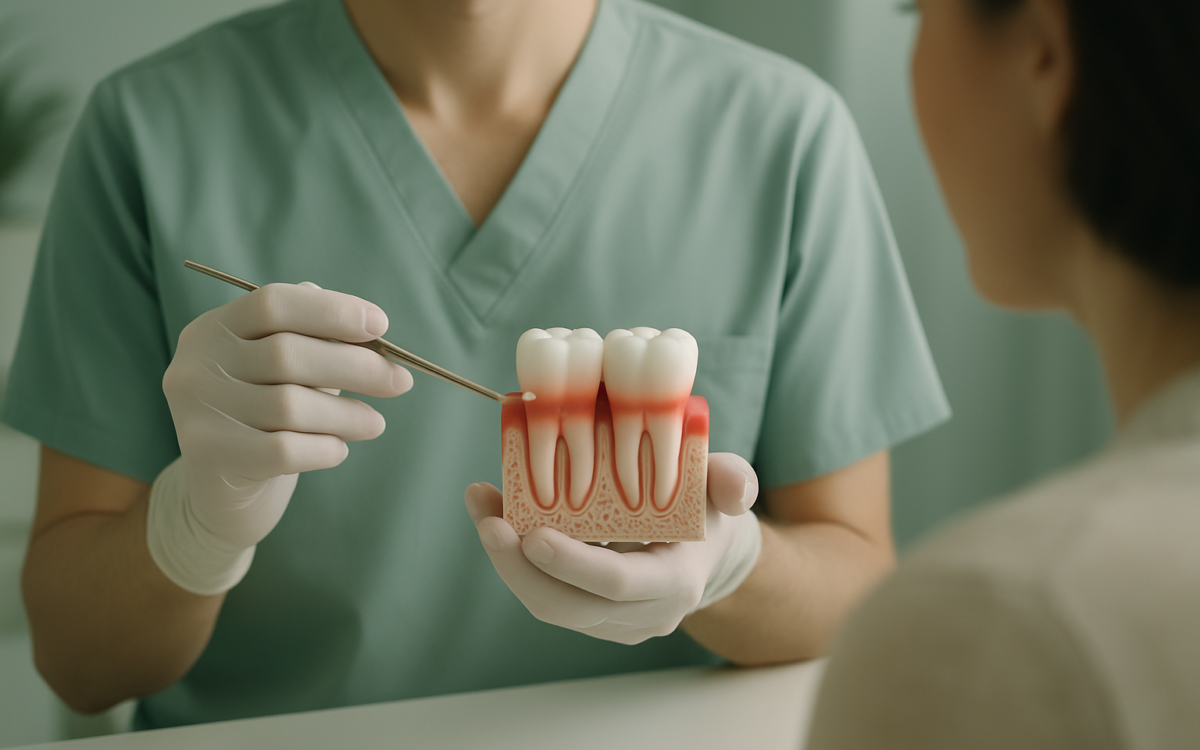
Gingivitis is one of the most common dental problems affecting people of all ages. It’s an early form of gum disease that can lead to more serious dental issues if not addressed. The good news is that it’s highly preventable and reversible with proper care. Understanding what causes gingivitis is critical for maintaining not just oral health, but overall well-being.
What is Gingivitis?
Gingivitis occurs when the gums become inflamed due to the buildup of plaque on the teeth. Plaque is a sticky film of bacteria that forms on your teeth when food particles mix with saliva. If not removed through regular brushing and flossing, plaque can harden into tartar, leading to further gum irritation and dental problems.
Common Causes of Gingivitis
Poor Oral Hygiene
The most significant cause of gingivitis is inadequate oral hygiene. When you neglect to brush and floss regularly, plaque builds up on your teeth and gums. This makes it easier for bacteria to thrive, leading to inflammation and infection. The American Dental Association (ADA) recommends brushing your teeth twice a day and flossing daily to prevent these issues.
Smoking and Tobacco Use
Smoking and using tobacco products can also contribute to gingivitis. Tobacco can weaken your gums and make it more difficult for them to heal. Additionally, tobacco users often have reduced blood flow to the gums, which impairs their healing capacity and increases the risk of gum disease. Quitting smoking can improve overall oral health and lower your risk of developing gingivitis.
Nutritional Deficiencies
A poor diet can also lead to gingivitis. Specifically, deficiencies in essential vitamins like vitamin C can weaken your gums and make them more susceptible to inflammation. Foods rich in vitamins and minerals play a vital role in maintaining dental health. Including a variety of fruits and vegetables in your diet can help support your gum health.
Hormonal Changes
Changing hormone levels can affect gum health, particularly in women. Conditions such as pregnancy, menstruation, and menopause can make gums more sensitive and prone to inflammation. During pregnancy, for example, an increase in hormones can enhance the response of the gums to plaque, leading to pregnancy gingivitis. Understanding these changes can help women take extra care of their oral hygiene during these times.
Certain Medical Conditions
Several medical conditions may also cause or exacerbate gingivitis. Diabetes is known to increase the risk of gum disease due to higher blood glucose levels which can lead to an increase in plaque formation. Other conditions, such as HIV/AIDS and immune disorders, can weaken the immune system, making it harder for your body to fight off infections in the gums.
Identifying the Symptoms of Gingivitis
Recognizing the symptoms of gingivitis is critical for early intervention. Common signs include:
- Red, swollen, or tender gums
- Gums that bleed when you brush or floss
- Persistent bad breath
- Receding gums
- Changes in the fit of partial dentures
If you notice any of these symptoms, it’s important to take them seriously and improve your oral hygiene practices.
Preventing Gingivitis
Prevention is always better than treatment when it comes to gingivitis. Here are some tips to help you keep your gums healthy:
- Brush your teeth twice a day with fluoride toothpaste.
- Floss daily to remove plaque and food particles between your teeth.
- Visit your dentist regularly for cleanings and check-ups.
- Limit sugary snacks and beverages that contribute to plaque buildup.
- Stay hydrated, as water helps wash away food particles and bacteria.
- If you’re a smoker, consider quitting to improve your gum health.
When to See a Doctor
If you notice persistent symptoms of gingivitis, such as bleeding gums or persistent bad breath, it’s advisable to see a dentist. They can evaluate your oral health and help you devise a personalized plan for maintaining healthy gums. Early intervention can reverse gingivitis before it progresses to more severe gum disease.
Conclusion
Gingivitis is a common but preventable condition that can have significant implications for oral health. By understanding its causes and symptoms, you can take proactive steps to maintain healthy gums and avoid more serious dental problems in the future. Regular dental check-ups, good hygiene practices, and a balanced diet are your best defenses against gingivitis. For further information, consult reputable sources like the Mayo Clinic or the CDC.
