
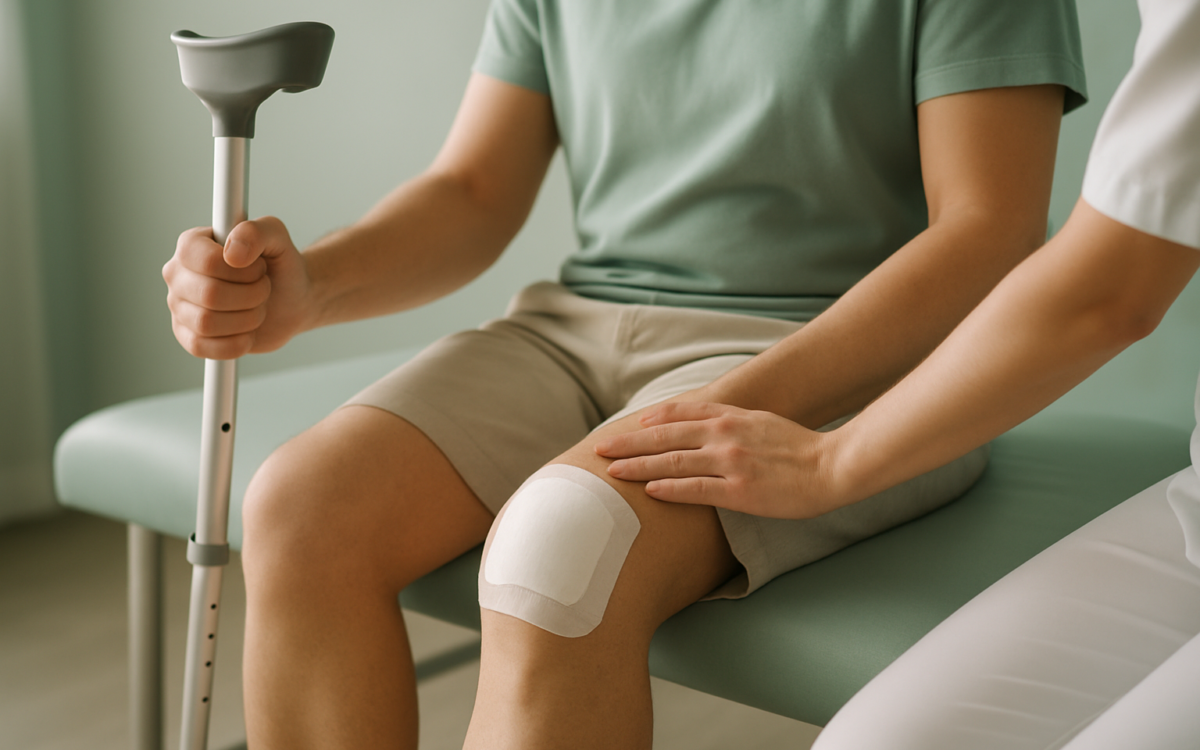
Going through a total knee replacement (TKR) is a significant decision and one that can dramatically enhance your quality of life. After surgery, the recovery journey is vital. It is the phase where your body heals, regains strength, and ultimately returns to normal activities. Knowing what to expect can ease anxiety and help you navigate this crucial time.
What Happens During Total Knee Replacement?
Before we explore the recovery process, let’s briefly discuss what happens during total knee replacement surgery. The procedure involves removing damaged cartilage and bone from the surface of the knee joint and replacing them with an artificial joint. This surgery is often recommended for individuals suffering from severe arthritis or knee injuries.
Your Immediate Recovery Phase
Right after your surgery, you will spend some time in the recovery room, where healthcare professionals will monitor your vital signs and pain levels. Many patients can go home the same day or one day after surgery. While each person’s experience will vary, here are some common aspects of the immediate recovery phase:
- Pain Management: You may experience some pain and discomfort, which is normal. Your healthcare team will help manage this pain with medications.
- Physical Activity: You will be encouraged to start moving shortly after surgery. This can include gentle ankle pumps or simple leg lifts.
- Wound Care: Your incision site will need to be cared for. Make sure to follow your doctor’s instructions regarding cleaning and monitoring for any signs of infection.
Understanding Rehabilitation
Rehabilitation is a critical component of your total knee replacement recovery. Effective physical therapy can significantly influence your return to movement and function. A structured plan is often personalized to your specific needs, but here are essential components of rehabilitation:
- Range of Motion (ROM) Exercises: These exercises aim to restore movement in your knee joint. Early and gentle stretching will help improve flexibility.
- Strengthening Exercises: As healing progresses, exercises targeting the muscles around your knee will become more prominent. Building strength will enhance stability and support.
- Balance Training: Improving balance is essential to prevent falls and promote confidence in your gait.
Estimating Your Timeline for Recovery
Recovery times can vary widely depending on several factors, including age, overall health, and adherence to rehabilitation. Generally, here’s a rough timeline to help you gauge your recovery:
- First Week: Focus on pain management and basic mobility. You may use a walker or crutches at this stage.
- Weeks 2-6: Start engaging in structured physical therapy. You should see improvements in pain levels and mobility.
- Weeks 6-12: Advanced strengthening exercises and more vigorous activities will likely be introduced, depending on your progress.
- 3-6 Months: By now, many patients can return to a more normal level of activity, including some low-impact sports.
- 6-12 Months: Full recovery and improvement in function can typically be expected during this period.
Tips for a Smooth Recovery
To ensure your recovery proceeds as smoothly as possible, consider the following tips:
- Follow Your Doctor’s Advice: Always adhere to the guidance given by your healthcare team regarding medication, activity levels, and follow-up appointments.
- Stay Active: Gentle movement helps prevent stiffness. However, remember to listen to your body and avoid overexertion.
- Eat Healthily: A balanced diet rich in nutrients can support healing. Foods rich in protein, vitamins, and minerals are particularly beneficial.
- Engage Family Support: Having family members or friends available to help during your recovery can significantly improve your experience.
- Stay Positive: Recovery can be challenging, but maintaining a positive mindset and setting realistic goals will help you stay motivated.
Managing Expectations and Overcoming Challenges
Your journey toward recovery may come with ups and downs. Some days might be tougher than others, but it’s essential to manage your expectations. Understand that swelling, pain, or fatigue can happen, but they are often temporary. If you experience concerning symptoms, it’s essential to reach out to your healthcare provider.
Being patient with yourself is vital during this time. Celebrate small victories along the way—whether that’s bending your knee a little more, walking a bit farther, or simply feeling more comfortable during daily activities.
When to See a Doctor
While some discomfort is normal after a knee replacement, certain signs should prompt a call to your doctor:
- Increased pain or swelling in the knee
- Fever over 100.4°F (38°C)
- Signs of infection, such as redness or discharge from the incision
- Difficulty in moving the knee or intense instability
Conclusion
Recovering from a total knee replacement might seem daunting, but with the right mindset and a good support system, it can be a transformative experience. Understanding the process, setting realistic expectations, and following expert recommendations can help pave the way for a smoother journey back to mobility. Remember, healing takes time, but each step you take brings you closer to a more active life.
