
Loss of hair can be a distressing experience for many people. It can affect self-esteem and confidence, making individuals seek effective solutions. Fortunately, there are several hair restoration treatments available today, ranging from medication to surgical options. This article will explore various approaches, their effectiveness, potential benefits, and what you should consider before pursuing treatment.
Understanding Hair Loss
Before diving into restoration treatments, it’s essential to understand what causes hair loss. Various factors can contribute to hair loss, including genetics, hormonal changes, certain medical conditions, and lifestyle factors. According to the National Institutes of Health (NIH), androgenetic alopecia, also known as male or female pattern baldness, is the most common cause. Identifying the underlying reason for hair loss can help in choosing the most effective treatment.
Over-the-Counter Treatments
Several over-the-counter treatments have gained popularity for their ease of accessibility and simplicity. Here are a couple of the most widely used options:
Minoxidil
Minoxidil, commonly known by its brand name Rogaine, is a topical solution approved for treating hair loss. It is available without a prescription and is applied directly to the scalp. Studies have shown that it can help slow down hair loss and promote new hair growth in some individuals. Results can vary, and it can take several months to see improvement. According to the Mayo Clinic, it is most effective for those in the early stages of hair thinning.
Finasteride
Finasteride, available as a prescription medication, is another popular choice among men facing hair loss. It works by blocking the hormone that causes hair follicles to shrink. Studies suggest that finasteride can effectively help maintain and even regrow hair in many men. However, it is not approved for use in women.
Natural Remedies and Supplements
Some individuals also explore natural remedies and supplements for hair restoration. Popular options include:
- Biotin: Often hailed as the ‘hair vitamin,’ biotin is a B-vitamin that some believe can improve hair strength and growth.
- Essential Oils: Oils like rosemary and peppermint have been studied for their potential hair growth properties. While some small studies suggest positive effects, more research is needed.
- Dietary Changes: Eating a balanced diet rich in vitamins and minerals, particularly iron and zinc, can support healthy hair growth.
Surgical Hair Restoration
For those seeking a more permanent solution to hair loss, surgical options may be worth considering. The two most common types are:
Follicular Unit Transplantation (FUT)
FUT involves removing a strip of scalp from a donor area where hair is thicker, and then transplanting individual hair follicles to areas of thinning or baldness. This method can result in a natural-looking hairline, but it does leave a linear scar.
Follicular Unit Extraction (FUE)
FUE is a more modern approach that involves extracting individual hair follicles directly from the scalp and transplanting them accordingly. This method is less invasive than FUT, typically resulting in less scarring and a quicker recovery time.
Non-Surgical Options
For those not ready for surgery, non-surgical options are available. Some include:
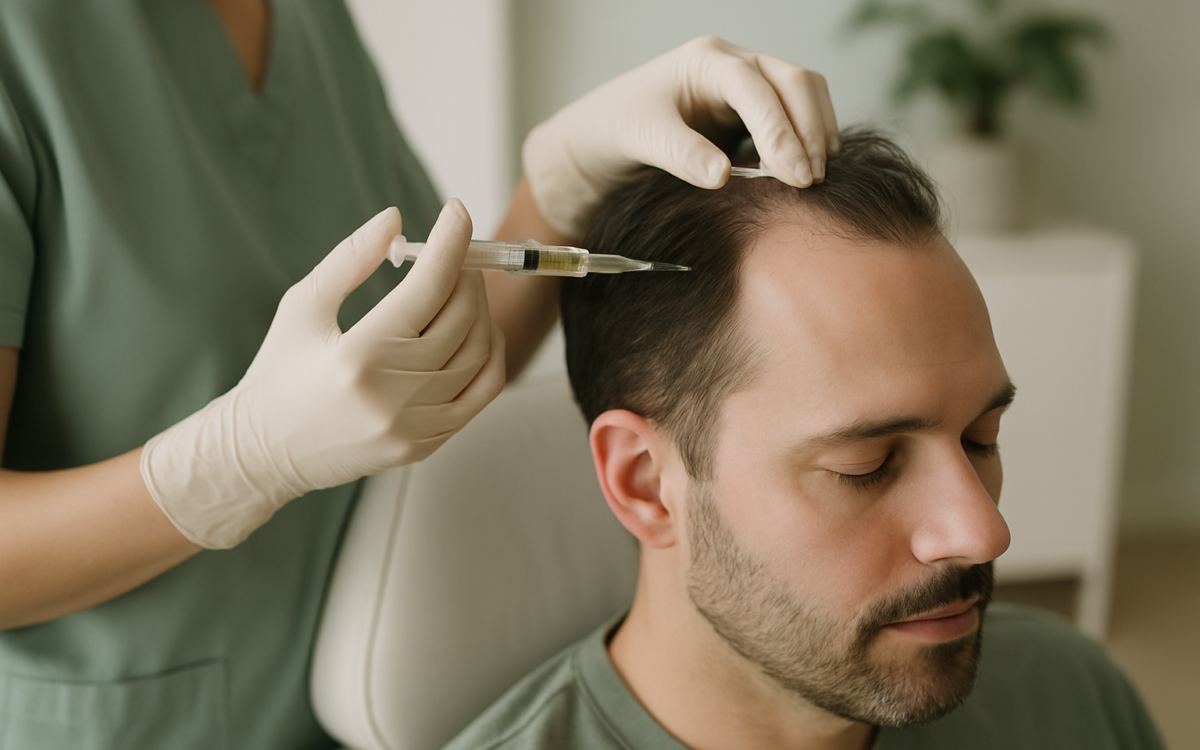
- Platelet-Rich Plasma (PRP) Therapy: This treatment uses your blood’s platelets to stimulate hair growth. After drawing blood and processing it to extract the plasma, it is injected into the scalp.
- Low-Level Laser Therapy: This painless treatment uses laser technology to stimulate hair follicles. Some studies suggest it may promote hair growth in individuals with androgenetic alopecia.
Considerations Before Starting Treatment
Before starting any hair restoration treatment, it is essential to consider several factors:
- Consult a Professional: A dermatologist or hair restoration specialist can help determine the best treatment option for your specific condition.
- Patient Expectations: Understand that no treatment guarantees results, and it may take time to see significant improvement.
- Possible Side Effects: Be aware of potential side effects associated with treatments, particularly medications. Discuss these with your doctor.
When to See a Doctor
If you notice sudden or patchy hair loss, it may be a sign of an underlying health issue. Conditions like alopecia areata or thyroid disorders can lead to excessive hair loss. Consulting a doctor can help identify the cause and provide guidance on treatment options.
Conclusion
Hair restoration treatments offer various solutions for those struggling with hair loss. From over-the-counter options like minoxidil to surgical methods like FUE, there are choices to suit different preferences and conditions. Understanding the available treatments and having realistic expectations are crucial steps on your journey toward regaining your hair. Remember, it’s always best to consult a healthcare professional to determine the most appropriate treatment for your situation.
