
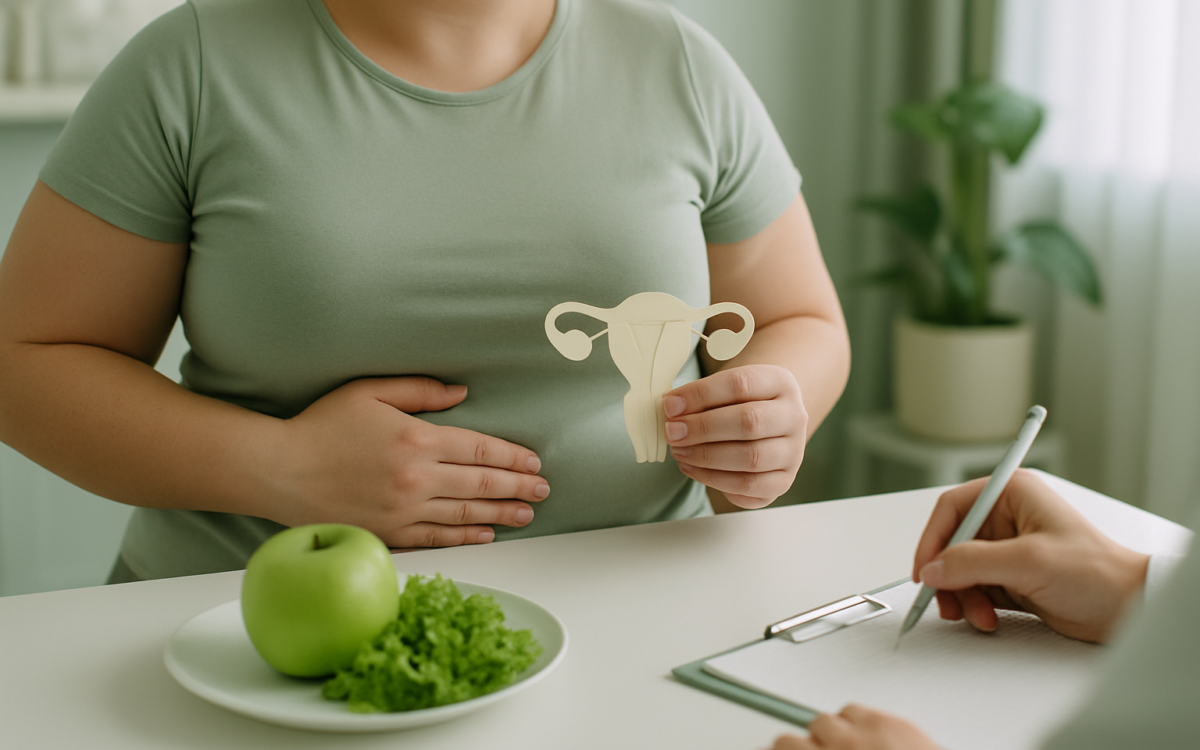
Polycystic ovarian syndrome (PCOS) affects many women and can lead to various health challenges, including weight management issues. The connection between PCOS and weight can be frustrating as hormones disrupt the body’s ability to regulate weight effectively. Fortunately, understanding PCOS can empower women to embrace effective strategies to achieve their weight loss goals.
Understanding PCOS and Weight Gain
PCOS is a hormonal disorder that affects women of reproductive age. It can lead to irregular menstrual cycles, excessive hair growth, acne, and weight gain or difficulty losing weight. One primary reason for weight challenges is insulin resistance, which is common in women with PCOS. The body struggles to use insulin efficiently, leading to increased fat storage, especially around the abdomen. Understanding this connection is the first step in addressing weight—embracing a holistic approach can make a significant difference.
Adopting a Balanced Diet
Your diet plays a crucial role in managing PCOS and achieving weight loss. Here are some dietary strategies to consider:
- Incorporate Whole Foods: Focus on whole grains, lean proteins, fruits, and plenty of vegetables. These foods are nutrient-dense and can help regulate blood sugar levels.
- Reduce Processed Sugars: Limiting refined sugars is vital. High sugar intake can exacerbate insulin resistance. Opt for natural sweeteners and whole fruits instead.
- Healthy Fats Are Your Friends: Include healthy fats in your diet, such as avocados, nuts, and olive oil. These can provide essential nutrients and help you feel full longer.
Portion control is also critical. While healthy foods are beneficial, overeating can still lead to weight gain. Keeping a food diary can enhance accountability and provide insights into your eating habits.
The Role of Exercise
Regular physical activity is essential for managing PCOS and supporting weight loss. Aim for a combination of aerobic exercises, strength training, and flexibility workouts:
- Aerobic Exercise: Activities like walking, running, swimming, or cycling can help burn calories and improve cardiovascular health.
- Strength Training: Lifting weights or using resistance bands builds muscle mass, which can increase your resting metabolic rate.
- Flexibility Focus: Incorporating yoga or stretching can promote mindfulness and reduce stress, which is beneficial as stress can also affect weight.
Try to engage in at least 150 minutes of moderate aerobic activity weekly, along with strength training two days a week. Finding activities you love can make it easier to stick with your routine.
Managing Stress and Sleep
Stress can have a significant impact on weight, particularly for women with PCOS. The disruption of hormonal balance can lead to cravings and emotional eating. Consider these practices:
- Meditation and Mindfulness: These practices can help reduce stress levels. Even a few minutes daily can make a difference.
- Quality Sleep: Aim for 7-9 hours of sleep per night. Poor sleep can affect hormone regulation and lead to weight gain.
- Regular Routines: Establishing a consistent daily routine can help lower overall stress levels.
Seeking Professional Support
When making diet and lifestyle changes, consider getting help from healthcare professionals. Registered dietitians, certified personal trainers, and therapists can provide personalized advice. If you are exploring global options, many women seek treatment in Turkey, where specialized programs can support weight loss while considering the unique needs of women with PCOS.
Supplements and Medication
In some cases, supplements like inositol or omega-3 fatty acids may help improve insulin sensitivity and support weight loss. Additionally, some healthcare providers may prescribe medications to assist with weight management and regulate menstrual cycles. It’s important to discuss any possible supplements or medications with your doctor to determine the best approach for your situation.
When to See a Doctor
If you’re struggling with weight management and suspect you have PCOS or have been diagnosed and find it challenging to implement lifestyle changes, consult your healthcare provider. They can offer guidance on management techniques, medications, or referrals to specialists.
Taking control of your health is a journey. Learning about PCOS and empowering yourself with knowledge about how to manage weight can lead to a healthier and happier you.
