
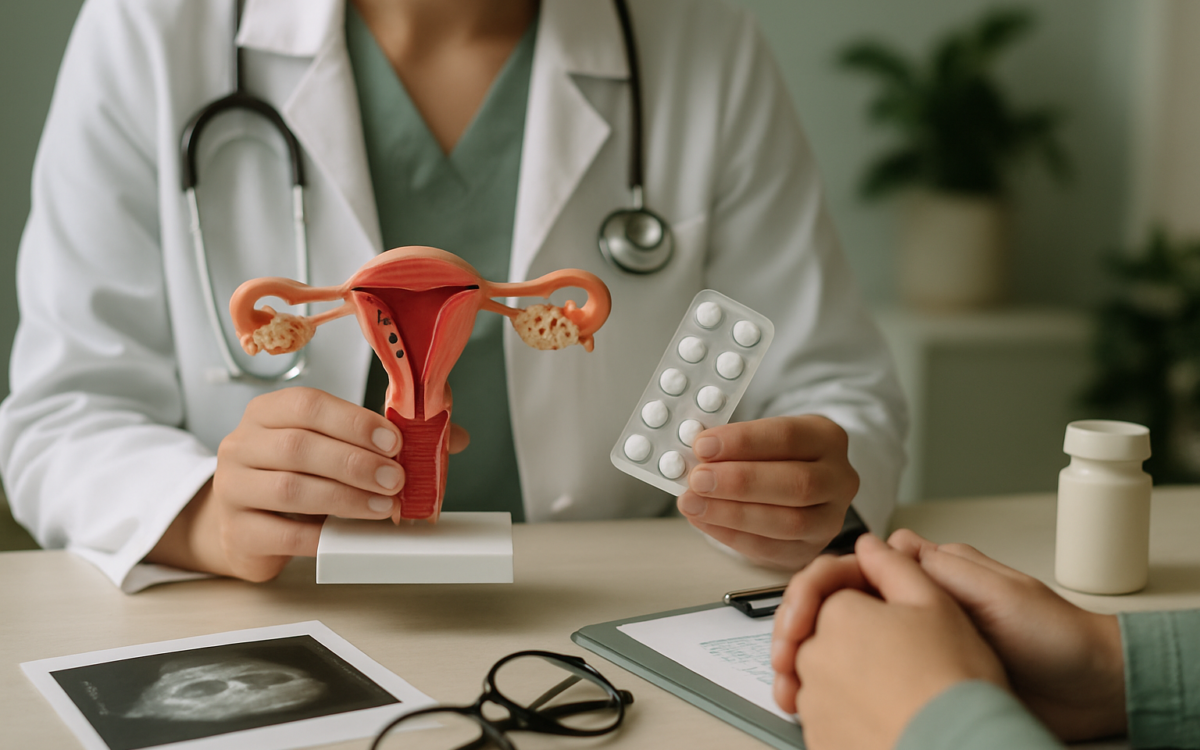
Polycystic Ovary Syndrome (PCOS) is a common hormonal disorder that affects people with ovaries, often during their reproductive years. It can cause a range of symptoms, from irregular menstrual cycles to weight gain and fertility issues. While the exact cause of PCOS isn’t fully understood, its effects are well-documented. Fortunately, there are various treatment strategies that can help manage these symptoms effectively. This guide will provide insights on how to treat PCOS, allowing individuals to take informed steps toward better health.
Understanding PCOS
Before diving into treatments, it’s essential to grasp what PCOS entails. Women with PCOS often have higher levels of androgens, which are hormones that can lead to symptoms like excessive hair growth, acne, and difficulty with weight management. Additionally, many individuals experience insulin resistance, where the body struggles to utilize insulin effectively, contributing to further complications.
Lifestyle Changes
One of the most impactful ways to manage PCOS is through lifestyle modifications. Making changes to your diet and exercise routine can help regulate menstrual cycles and improve overall health.
Nutrition
- Balanced Diet: Focus on whole foods such as fruits, vegetables, lean proteins, and whole grains.
- Low Glycemic Index (GI) Foods: Consuming foods with a low GI can help regulate blood sugar levels. Examples include legumes, oats, and most fruits.
- Limit Processed Foods: Reduce sugar intake and avoid highly processed foods, which can exacerbate insulin resistance.
Physical Activity
Regular exercise can significantly benefit individuals with PCOS. Aim for at least 150 minutes of moderate-intensity exercise each week, which could include:
- Brisk walking
- Cycling
- Swimming
- Strength training
Incorporating physical activity helps manage weight and improve insulin sensitivity, ultimately aiding in symptom management.
Medications for PCOS
For many, lifestyle changes alone may not be enough. Several medications can help manage the symptoms of PCOS:
Hormonal Birth Control
Combined oral contraceptives (birth control pills) can regulate menstrual cycles and reduce symptoms like acne and excessive hair growth. These pills work by lowering androgen levels in the body.
Metformin
Metformin is a medication originally designed to treat type 2 diabetes. It’s also effective for many with PCOS, especially those dealing with insulin resistance. It can help improve insulin sensitivity and may assist in weight management.
Anti-Androgens
In some cases, doctors may prescribe anti-androgen medications, such as spironolactone, which can help treat symptoms like hirsutism (excessive hair growth) by blocking the effects of androgens.
Fertility Treatments
If PCOS affects fertility, there are several options available. Many women with PCOS can conceive with the right interventions.
Ovulation Induction
Medications such as clomiphene citrate (Clomid) or letrozole (Femara) may be prescribed to stimulate ovulation. These medications help many women with PCOS to successfully become pregnant.
Assisted Reproductive Technologies
For those who do not respond to oral medications, assisted reproductive technologies like in vitro fertilization (IVF) may be considered. These methods can assist in overcoming fertility challenges associated with PCOS.
Emotional and Mental Health Support
It’s essential to address the emotional and mental health aspects of dealing with PCOS. Many individuals experience anxiety or depression as a result of their symptoms. Seeking support from mental health professionals, support groups, or therapy can be invaluable.
When to See a Doctor
If you suspect you have PCOS or are experiencing symptoms such as irregular periods, weight gain, or difficulty conceiving, it’s crucial to consult with a healthcare provider. Early diagnosis and treatment can significantly improve overall quality of life and reduce the risk of complications like diabetes and heart disease. Your doctor will help tailor a treatment plan that suits your personal needs.
Conclusion
Managing Polycycstic Ovary Syndrome can be a journey, but it’s one that involves hope and possibility. By adopting lifestyle changes, seeking medical treatment when necessary, and addressing mental health, individuals with PCOS can regain control of their health and well-being. If you have PCOS, you are not alone, and there are effective ways to manage your symptoms. Take the first step by consulting your healthcare provider and exploring the options available to you.
